
Applying Nationalism In Everyday Life
Gusti Ayu Tita P
4 Agustus 2026
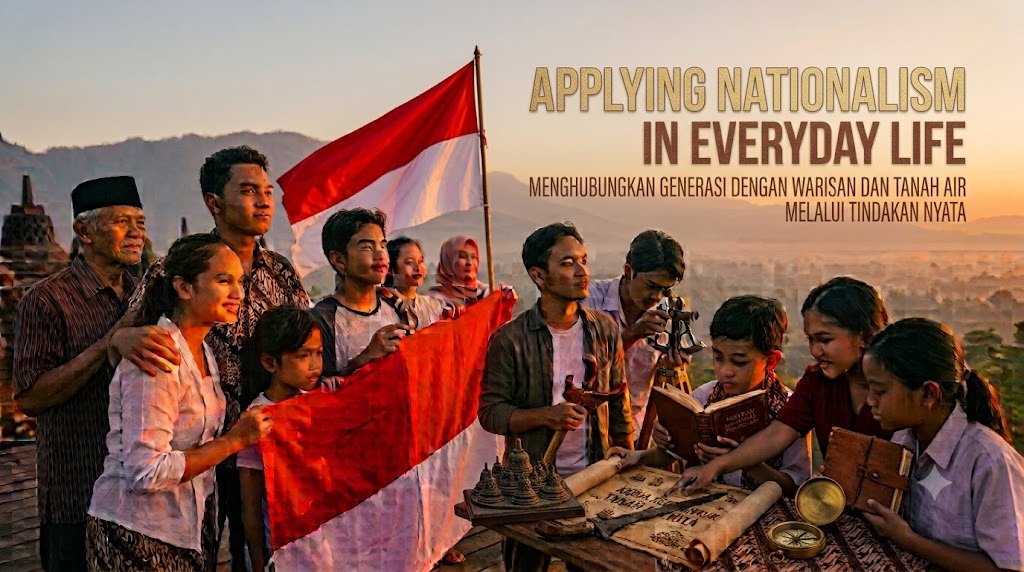
Nationalism is often associated with national symbols, independence celebrations, or historical events. However, nationalism is not only about ceremonies or expressions of pride toward a country. It can also be practiced through simple actions in everyday life that show responsibility, respect, and concern for society. When practiced consistently, these actions can strengthen national identity and contribute to a more united community.
In Indonesia, applying nationalism is important because society consists of many ethnic groups, religions, languages, and cultures. Citizens need to appreciate these differences while maintaining a shared sense of belonging. Everyday nationalism can be shown through tolerance, cooperation, discipline, cultural preservation, and responsible citizenship. These values can help create a peaceful and supportive society.
UNDERSTANDING NATIONALISM IN EVERYDAY LIFE
Nationalism is a sense of love, belonging, responsibility, and concern toward one's country. It encourages citizens to appreciate national identity and contribute to the common good. In everyday life, nationalism does not require extraordinary actions. Simple behaviors such as obeying rules, respecting others, helping neighbors, and protecting public facilities can demonstrate national responsibility.
Healthy nationalism should also be inclusive and respectful. Loving Indonesia does not mean rejecting other countries or cultures. Positive nationalism allows people to appreciate their own identity while respecting differences and learning from other cultures. This balanced attitude is important in a modern and interconnected society.
RESPECTING DIFFERENCES
Indonesia is known for its cultural and social diversity. Citizens have different ethnic backgrounds, religions, languages, traditions, and opinions. Respecting these differences is one of the simplest ways to practice nationalism. People can show respect by avoiding discrimination and treating others fairly.
Tolerance can be practiced in schools, workplaces, families, neighborhoods, and online communities. People do not need to agree with every opinion, but they should communicate respectfully. Mutual respect helps prevent conflict and strengthens social harmony. When citizens accept diversity, national unity becomes stronger.
PRACTICING GOTONG ROYONG
Gotong royong, or mutual cooperation, is an important Indonesian social value. It encourages people to work together for a shared purpose and help those who need assistance. Everyday examples include cleaning the neighborhood, helping neighbors, participating in community activities, and supporting people during difficult situations. These activities can strengthen relationships among community members.
Gotong royong also teaches people that community problems can be addressed through collective effort. Individuals can contribute according to their abilities and circumstances. Cooperation creates stronger social bonds and develops a sense of shared responsibility. Practicing gotong royong is therefore a practical form of nationalism.
OBEYING RULES AND LAWS
Following rules and laws is an important part of responsible citizenship. Laws are created to maintain order, protect rights, and regulate relationships within society. Citizens can practice nationalism by obeying laws, respecting public regulations, and fulfilling their responsibilities. These actions help create a safe and orderly environment.
Discipline can begin with simple habits. Students can follow school rules, workers can fulfill their duties honestly, and citizens can respect traffic regulations and public facilities. Respecting rules demonstrates awareness that individual behavior can affect the wider community. Responsible citizens contribute to national stability through everyday discipline.
PRESERVING INDONESIAN CULTURE
Indonesia has a diverse cultural heritage that includes traditional dances, music, clothing, languages, food, crafts, and local customs. Learning and appreciating these traditions can strengthen national identity. Cultural preservation is an important form of everyday nationalism. Citizens can participate in cultural events and support local artists and craftspeople.
Young people can also use technology to introduce Indonesian culture. They can create videos, photographs, articles, or social media posts about local traditions. Digital platforms can help make Indonesian culture more visible to younger generations and international audiences. By sharing accurate cultural information, people can help preserve national heritage.
SUPPORTING LOCAL PRODUCTS
Supporting local products is another practical way to apply nationalism. Indonesia has many small businesses, farmers, craftsmen, and creative entrepreneurs who contribute to the domestic economy. Citizens can support them by purchasing quality local products and recommending them to others. These actions can help strengthen local businesses and communities.
Supporting local products does not mean refusing all foreign products. Consumers can remain open to international products while recognizing the value of domestic businesses. Responsible purchasing decisions can contribute to local economic growth. When communities have stronger local businesses, they can create more opportunities for employment and development.
USING SOCIAL MEDIA RESPONSIBLY
Social media is an important part of modern life, especially for young people. It can be used to share Indonesian culture, local products, educational information, national achievements, and positive community activities. Responsible social media use can help spread constructive messages and strengthen national pride.
However, social media can also spread misinformation, hate speech, and divisive content. Citizens should verify information before sharing it and avoid posts that can harm other people. Digital literacy and critical thinking are essential parts of modern nationalism. Responsible online behavior can help maintain social harmony and national unity.
PROTECTING THE ENVIRONMENT
Protecting the environment is a responsibility shared by all citizens. Clean air, water, forests, and public spaces are important national resources. People can practice nationalism by reducing waste, recycling, saving energy, protecting nature, and participating in environmental activities. These actions benefit both current communities and future generations.
Environmental responsibility can begin with small daily habits. Individuals can avoid unnecessary plastic use, keep public spaces clean, and use resources carefully. Caring for the environment demonstrates responsibility toward the country's future. When many people adopt sustainable habits, the combined impact can be significant.
DEVELOPING DISCIPLINE AND RESPONSIBILITY
Discipline and responsibility are important characteristics of good citizens. People can practice them by completing tasks on time, respecting commitments, maintaining cleanliness, and taking responsibility for their actions. These behaviors may seem personal, but they can influence the people and communities around them.
Students can develop discipline by studying regularly and following school regulations. Employees can show responsibility by completing their duties honestly and professionally. Nationalism begins with responsible individuals who understand the impact of their actions on society. Consistent discipline can contribute to a more productive and organized nation.
HELPING THE COMMUNITY
Helping other people is a simple way to demonstrate concern for the country. Citizens can volunteer, assist neighbors, donate when possible, or participate in social programs. Community participation strengthens solidarity and social responsibility. It also creates stronger relationships between people from different backgrounds.
Helping others does not always require money or large commitments. Sharing knowledge, giving time, helping someone complete a task, or participating in community activities can make a difference. Small acts of kindness can strengthen the social foundation of nationalism. Communities become stronger when people are willing to support one another.
LEARNING ABOUT INDONESIAN HISTORY
Understanding national history can increase appreciation for Indonesia and its development. Citizens can learn about independence, national figures, important historical events, and the struggles of previous generations. Historical knowledge helps people understand the value of unity and national identity. It can also provide lessons that remain relevant to modern society.
Learning history should not be limited to memorizing dates and names. People should understand the values behind historical events, including courage, cooperation, perseverance, and sacrifice. Learning from history can inspire citizens to contribute positively to the country's future. This makes historical awareness an important part of nationalism.
THE ROLE OF YOUNG PEOPLE
Young people have a significant role in applying nationalism in modern society. They can use their creativity and technology skills to promote Indonesian culture, local products, environmental awareness, education, and social activities. Their actions can influence peers and create positive trends within society.
Young people can also become responsible digital citizens. They can reject misinformation, avoid hate speech, respect different opinions, and promote constructive discussions. Youth participation can keep nationalism relevant to modern generations. Their contributions today can influence the future development of Indonesia.
CONCLUSION
Applying nationalism in everyday life does not require extraordinary actions. It can begin with respecting differences, following rules, practicing gotong royong, preserving culture, supporting local products, protecting the environment, and using technology responsibly. These simple actions reflect a sense of responsibility and concern for the country.
Nationalism becomes meaningful when it is practiced consistently rather than expressed only through words. Every citizen has an opportunity to contribute to national unity through daily behavior. When individuals practice positive nationalism, communities become stronger and more harmonious. Together, these everyday actions can help build a united, responsible, and resilient Indonesia.
About the Author
Gusti Ayu Tita P
Author — STEKOM University
An active author focused on academic issues, educational technology, and human resource development in the campus environment.















