
Batik Transformation From Tradition to Global Fashion
Gusti Ayu Tita P
12 Agustus 2026
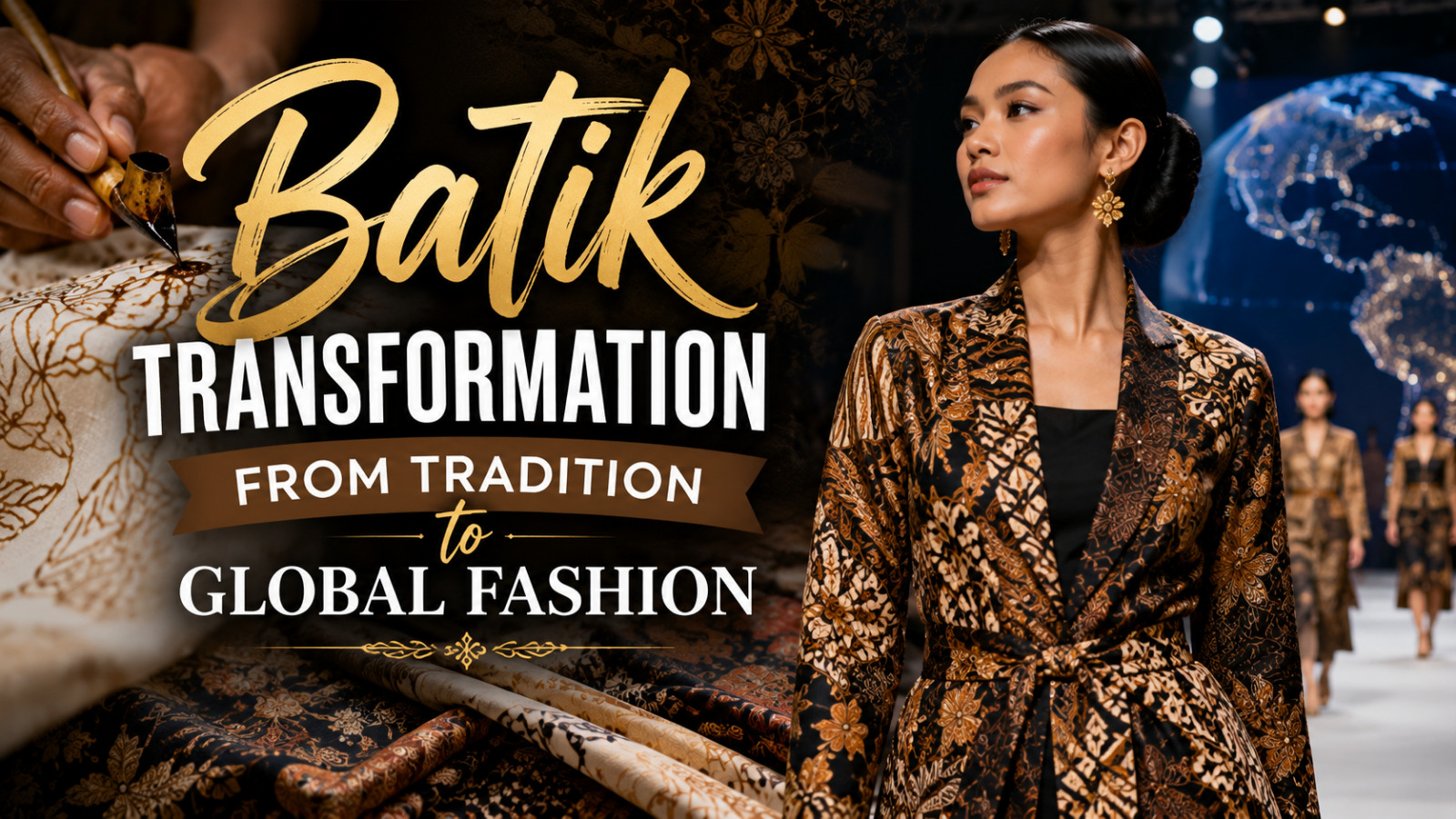
Batik is more than just fabric—it is a cultural heritage that tells stories through patterns, colors, and craftsmanship. Once worn mainly during traditional ceremonies, batik has transformed into a global fashion trend embraced by designers and fashion lovers worldwide. This transformation reflects how tradition can evolve without losing its cultural essence.
Today, batik is not only a symbol of identity but also a bridge connecting local heritage with the international fashion industry.
THE HISTORY OF BATIK AND ITS CULTURAL ROOTS
Batik originated centuries ago and developed as a traditional textile art deeply rooted in local culture. Each motif carries philosophical meaning, often representing nature, social status, or spiritual beliefs.
Historically, batik was handmade using a wax-resist dyeing technique. The process required patience, precision, and artistic skill, making each piece unique. Over time, batik became an important part of ceremonies, celebrations, and cultural identity.
As generations passed, batik evolved from royal attire into clothing worn by people from all social backgrounds, strengthening its role as a national symbol.
THE SHIFT FROM TRADITIONAL WEAR TO MODERN FASHION
The rise of modern fashion has changed how batik is perceived and worn. No longer limited to formal events, batik is now seen in casual outfits, office wear, and even street style.
Designers began experimenting with new cuts, colors, and materials while preserving traditional motifs. This fusion between heritage and innovation allowed batik to stay relevant in the fast-changing fashion world.
Younger generations also contributed by styling batik in fresh and creative ways, making it appealing to a broader audience.
BATIK ON THE GLOBAL STAGE
Batik’s journey to international recognition has been remarkable. Fashion shows, cultural exhibitions, and global collaborations have introduced batik to the world.
Many international designers appreciate batik for its uniqueness and handcrafted quality. Its storytelling patterns and sustainable production methods align well with the growing demand for ethical and cultural fashion.
As global consumers seek authenticity and craftsmanship, batik continues to gain attention as a timeless and meaningful textile.
THE ROLE OF INNOVATION AND DIGITAL MEDIA
Technology and social media play a major role in promoting batik worldwide. Online marketplaces and digital campaigns allow artisans and brands to reach international customers more easily.
Creative content, fashion influencers, and virtual fashion shows have helped showcase batik as modern, stylish, and versatile. This digital exposure ensures that traditional crafts remain relevant in the modern era.
PRESERVING HERITAGE WHILE EMBRACING THE FUTURE
Despite its global success, preserving batik’s cultural roots remains essential. Supporting local artisans, educating younger generations, and encouraging sustainable production are key to maintaining its authenticity.
By blending tradition with innovation, batik proves that cultural heritage can thrive in modern industries without losing its original meaning.
CONCLUSION
Batik’s transformation from traditional attire to global fashion represents the perfect harmony between heritage and modern creativity. Its journey shows how cultural identity can evolve and adapt while remaining deeply meaningful.
As batik continues to inspire designers and consumers worldwide, it stands as a powerful symbol of tradition, innovation, and cultural pride.
About the Author
Gusti Ayu Tita P
Author — STEKOM University
An active author focused on academic issues, educational technology, and human resource development in the campus environment.















