
Benefits of Having an Emergency Fund for Unexpected Financial Challenges
Gusti Ayu Tita P
6 Agustus 2026
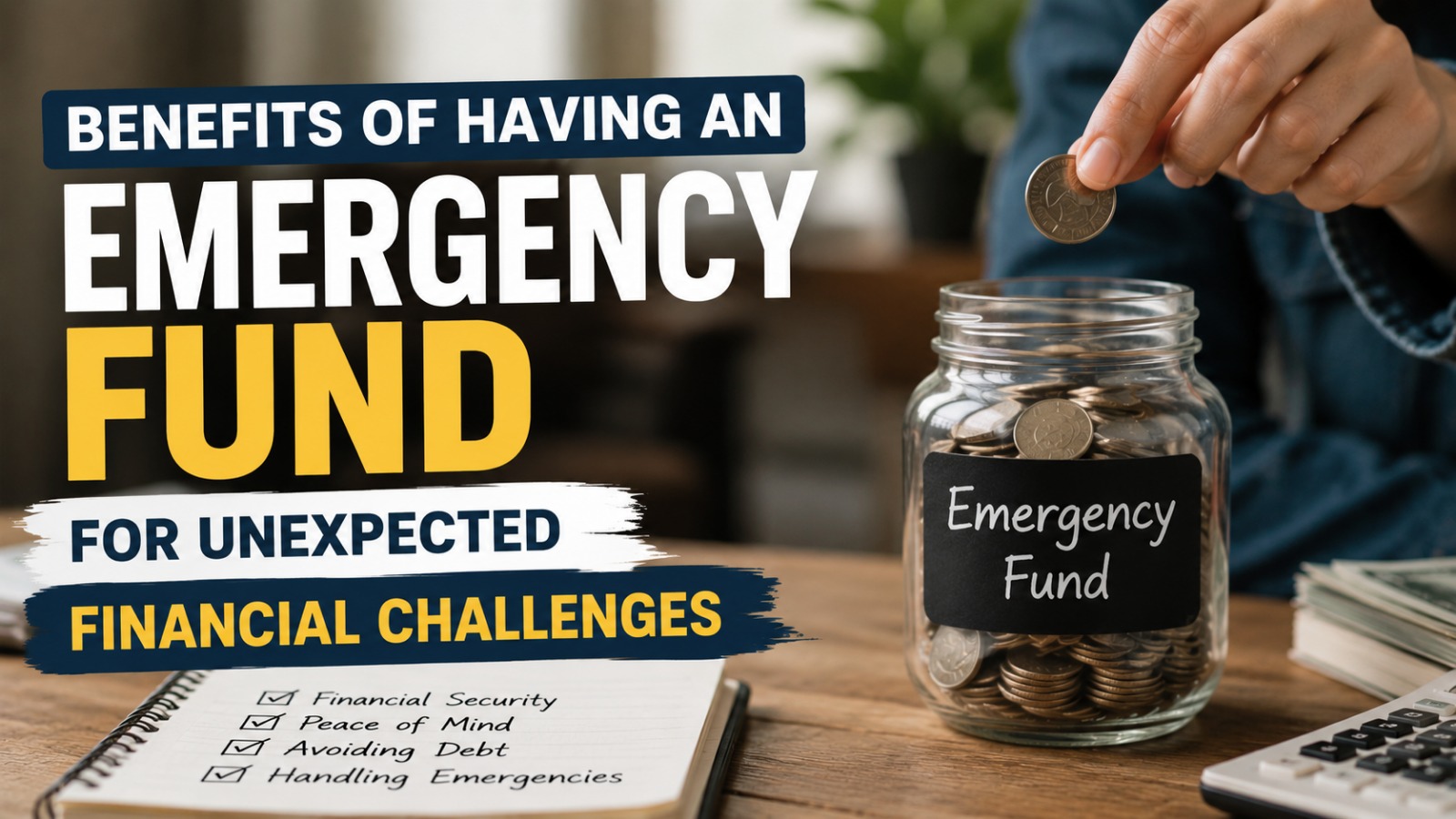
An emergency fund is one of the most important foundations of financial planning. Life is full of uncertainties, and unexpected expenses can happen at any time, such as medical emergencies, vehicle repairs, home maintenance, or sudden job loss. Without adequate savings, these situations often force people to borrow money or use high-interest credit, creating additional financial stress. Building an emergency fund provides a reliable financial cushion that helps you stay prepared for life's unexpected challenges.
Having an emergency fund is not only about saving money but also about creating financial security and reducing anxiety. Even if you start with small contributions, consistent saving habits can gradually build a substantial reserve. This financial preparation allows you to make better decisions during difficult times without sacrificing your long-term financial goals.
UNDERSTANDING THE IMPORTANCE OF AN EMERGENCY FUND
An emergency fund is money specifically reserved for unexpected financial situations. Unlike regular savings, this fund should only be used for genuine emergencies rather than vacations, shopping, or entertainment. Keeping this money separate helps ensure it remains available when you truly need it.
Financial experts generally recommend saving enough to cover three to six months of essential living expenses. Individuals with unstable incomes or larger families may need an even bigger reserve. Understanding the purpose of an emergency fund encourages responsible financial habits and long-term stability.
PROVIDES FINANCIAL SECURITY DURING EMERGENCIES
One of the greatest benefits of an emergency fund is the sense of financial security it provides. When unexpected expenses arise, you can pay for them immediately without disrupting your monthly budget. This prevents financial emergencies from turning into long-term financial problems.
Having readily available savings also reduces dependence on loans or credit cards. Instead of worrying about how to pay unexpected bills, you can focus on solving the actual problem. This level of financial preparedness creates confidence and peace of mind during stressful situations.
HELPS YOU AVOID UNNECESSARY DEBT
Unexpected expenses often cause people to rely on personal loans or high-interest credit cards. While borrowing may solve an immediate problem, it frequently creates additional financial burdens through interest payments and monthly debt obligations. An emergency fund helps eliminate the need for unnecessary borrowing.
By paying emergency expenses with your own savings, you protect your future income from debt repayments. This allows more of your earnings to be used for investments, education, or other financial goals. Avoiding debt also improves your overall financial health and stability.
REDUCES FINANCIAL STRESS AND ANXIETY
Money problems are among the most common sources of stress for many individuals and families. Knowing that you have an emergency fund available can significantly reduce financial anxiety because you are better prepared for unexpected situations. This confidence improves both emotional well-being and decision-making.
Instead of reacting emotionally during emergencies, you can respond calmly and make rational financial choices. A well-prepared emergency fund allows you to focus on solving problems rather than worrying about finding money. As a result, you experience greater peace of mind in everyday life.
SUPPORTS LONG TERM FINANCIAL GOALS
Without an emergency fund, people often withdraw money from investments or retirement savings when unexpected expenses occur. This interrupts long-term wealth-building strategies and may result in financial losses. An emergency fund protects these important financial assets.
By keeping your investment portfolio intact, your money continues to grow according to your original financial plan. This balance between short-term protection and long-term growth creates a healthier financial future. Consistent saving habits also strengthen overall financial discipline.
ENCOURAGES BETTER MONEY MANAGEMENT
Building an emergency fund naturally encourages improved money management skills. Saving regularly requires budgeting, tracking expenses, and identifying unnecessary spending. These habits create greater awareness of personal finances and improve overall financial responsibility.
As your emergency fund grows, you become more confident in managing your income and expenses. This confidence often motivates people to set additional financial goals such as investing, buying a home, or planning for retirement. Good financial habits developed today provide lifelong benefits.
HOW TO START BUILDING AN EMERGENCY FUND?
Starting an emergency fund does not require a large income. Begin by setting a realistic savings goal and allocating a small portion of every paycheck to a separate savings account. Consistency is more important than the amount you save each month.
Automating your savings can make the process easier and reduce the temptation to spend the money. Review your progress regularly and increase your savings whenever your income grows. Over time, these simple actions will build a reliable financial safety net.
CONCLUSION
The benefits of having an emergency fund extend far beyond simply saving money. It provides financial security, reduces stress, prevents unnecessary debt, protects long-term financial goals, and encourages better money management. Even small, consistent contributions can create a strong financial foundation that prepares you for unexpected challenges. By starting today and maintaining disciplined saving habits, you can achieve greater confidence, stability, and long-term financial success.
About the Author
Gusti Ayu Tita P
Author — STEKOM University
An active author focused on academic issues, educational technology, and human resource development in the campus environment.















