
Benefits of Spiritual Connection for Emotional and Mental Balance
Gusti Ayu Tita P
9 September 2026
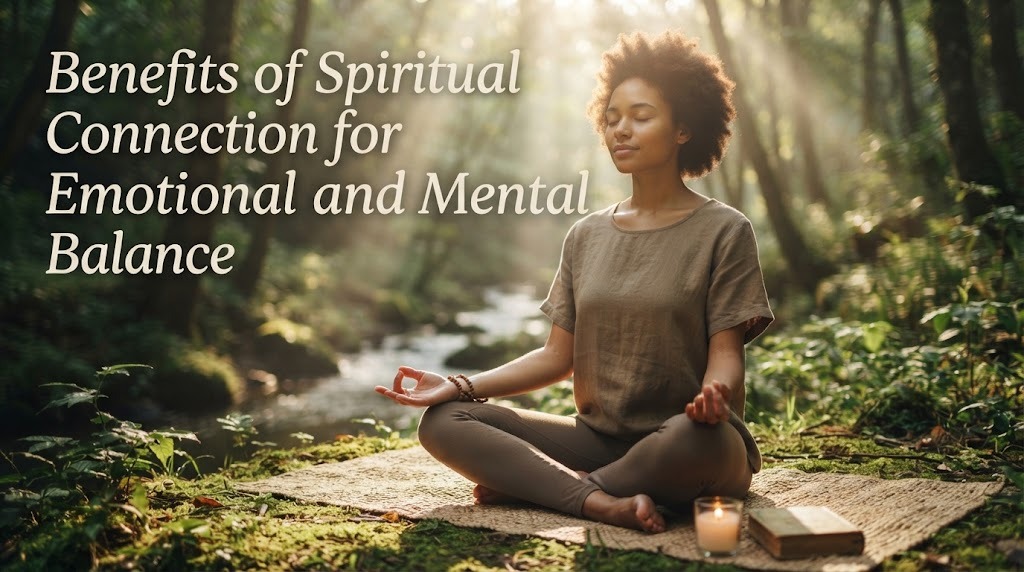
Spiritual connection can play an important role in helping people understand themselves and maintain a sense of inner balance. It may involve prayer, meditation, reflection, gratitude, connection with nature, or living according to personal values and beliefs. In the middle of a busy and demanding life, these practices can provide valuable time to pause and reconnect with what truly matters. A strong spiritual connection does not remove every problem, but it can influence how a person responds to challenges.
Emotional and mental balance is important for maintaining healthy daily functioning. When people understand their emotions and have a clear sense of purpose, they may find it easier to deal with stress, uncertainty, and difficult experiences. Spiritual practices can support this process by encouraging self-awareness, acceptance, gratitude, and meaningful reflection. However, spirituality should complement rather than replace professional support when someone is experiencing serious or persistent mental health difficulties.
PROMOTES INNER CALM
One of the potential benefits of spiritual connection is the opportunity to create moments of calm. Activities such as prayer, meditation, or quiet reflection can provide a break from constant responsibilities and digital distractions. Taking a few moments to slow down can help a person pay closer attention to thoughts and feelings. This practice may make it easier to approach daily situations with a more settled mindset.
Inner calm does not mean never experiencing stress or difficult emotions. Instead, it can involve developing a healthier response when those emotions appear. A person may become more willing to pause before reacting and consider what action is most appropriate. Over time, regular moments of reflection can become a useful part of a balanced daily routine.
SUPPORTS EMOTIONAL REGULATION
Spiritual connection can encourage people to recognize their emotions instead of immediately reacting to them. Reflection allows individuals to consider why they feel angry, worried, disappointed, or overwhelmed. Understanding these emotional responses can make it easier to choose constructive ways to deal with them. This process can contribute to greater emotional awareness.
Practices based on patience, acceptance, compassion, and forgiveness may also influence how people respond to difficult situations. For example, taking time to reflect before responding to a disagreement can prevent an emotional reaction from making the situation worse. Emotional regulation does not require suppressing feelings. It means acknowledging emotions while choosing how to respond to them in a healthy way.
BUILDS SELF AWARENESS
Spiritual reflection can provide an opportunity to understand personal values, priorities, strengths, and limitations. Asking questions about what matters most can help people develop a clearer understanding of themselves. Journaling, meditation, prayer, and quiet reflection are some ways to create this space. Greater self-awareness can support more thoughtful decisions in everyday life.
Knowing oneself can also make it easier to recognize unhealthy patterns. A person may notice activities, relationships, or situations that repeatedly create unnecessary stress. Once these patterns become clearer, appropriate changes can be considered. This process can help create a lifestyle that is more consistent with personal needs and values.
DEVELOPS GRATITUDE AND POSITIVE PERSPECTIVE
Gratitude is commonly associated with spiritual practices and can help people pay attention to positive aspects of life. Individuals may take time to appreciate relationships, opportunities, achievements, nature, or simple everyday experiences. This does not mean ignoring problems or pretending that everything is perfect. Instead, gratitude can encourage a broader perspective when difficulties become the main focus of attention.
A balanced perspective can be particularly useful during challenging periods. Recognizing positive experiences alongside difficulties may help prevent one negative event from defining an entire day or period of life. Gratitude can also encourage people to appreciate support from others. When practiced consistently, it can become a simple habit that contributes to emotional well-being.
PROVIDES A SENSE OF PURPOSE
A strong spiritual connection may help people explore questions about purpose and meaning. Understanding personal values can provide direction when making important decisions. Instead of focusing only on external achievements, individuals can consider whether their actions reflect what they genuinely believe is important. Having a sense of purpose can make everyday activities feel more meaningful.
Purpose can also provide motivation during difficult periods. Challenges may still be painful, but having meaningful goals can help people continue moving forward. Purpose does not have to involve a single major life mission. It can be found through family, learning, work, creativity, service, relationships, or other activities that provide a sense of value.
HELPS PEOPLE ACCEPT UNCERTAINTY
Life contains many situations that cannot be fully controlled. Changes in plans, unexpected events, and other people's decisions can create uncertainty and stress. Spiritual reflection may help individuals distinguish between what they can control and what they need to accept. This distinction can prevent unnecessary energy from being spent trying to control circumstances beyond their influence.
Acceptance does not mean giving up or refusing to solve problems. It means acknowledging reality before deciding what can reasonably be done next. A person can accept an unexpected situation while still taking practical action. This approach can support a calmer and more flexible response to change.
STRENGTHENS CONNECTION WITH OTHERS
Spirituality can also encourage compassion, empathy, and a sense of connection with other people. Activities such as community service, helping others, or participating in meaningful gatherings can create a stronger sense of belonging. Positive relationships are important because people often need emotional support when facing difficult circumstances. Feeling connected can make challenges easier to navigate.
Healthy spiritual connection should also encourage respect for differences. People may have different beliefs, practices, and ways of understanding spirituality. Respecting these differences can create more constructive relationships and reduce unnecessary conflict. A sense of connection with others can therefore contribute not only to personal well-being but also to healthier social interactions.
CREATES HEALTHIER DAILY HABITS
Spiritual connection can become more beneficial when it is incorporated into realistic daily habits. A person might begin the day with a short prayer, spend several minutes reflecting before bed, or regularly write down things they appreciate. The goal does not have to be a complicated routine. Small practices that can be maintained consistently are often easier to integrate into everyday life.
Spiritual habits should also be supported by other healthy behaviors. Adequate sleep, physical activity, nutritious food, social connection, and appropriate professional support all contribute to overall well-being. Spirituality is one part of a broader approach to emotional and mental balance. If emotional difficulties become severe, persistent, or interfere significantly with daily life, seeking help from a qualified mental health professional is important.
CONCLUSION
Spiritual connection can offer several benefits for emotional and mental balance. Through reflection, prayer, meditation, gratitude, self-awareness, and meaningful relationships, people can develop healthier ways to understand themselves and respond to life's challenges. Spirituality may also provide a sense of purpose and help individuals approach uncertainty with greater acceptance.
Building a spiritual connection does not require perfection or major changes. It can begin with simple practices that are consistent with personal beliefs and values. When combined with healthy lifestyle habits and appropriate professional support when needed, spirituality can become a meaningful source of calm, reflection, and direction in everyday life.
About the Author
Gusti Ayu Tita P
Author — STEKOM University
An active author focused on academic issues, educational technology, and human resource development in the campus environment.