
Black Magic Beliefs and Their Influence on Local Traditions
Gusti Ayu Tita P
10 September 2026
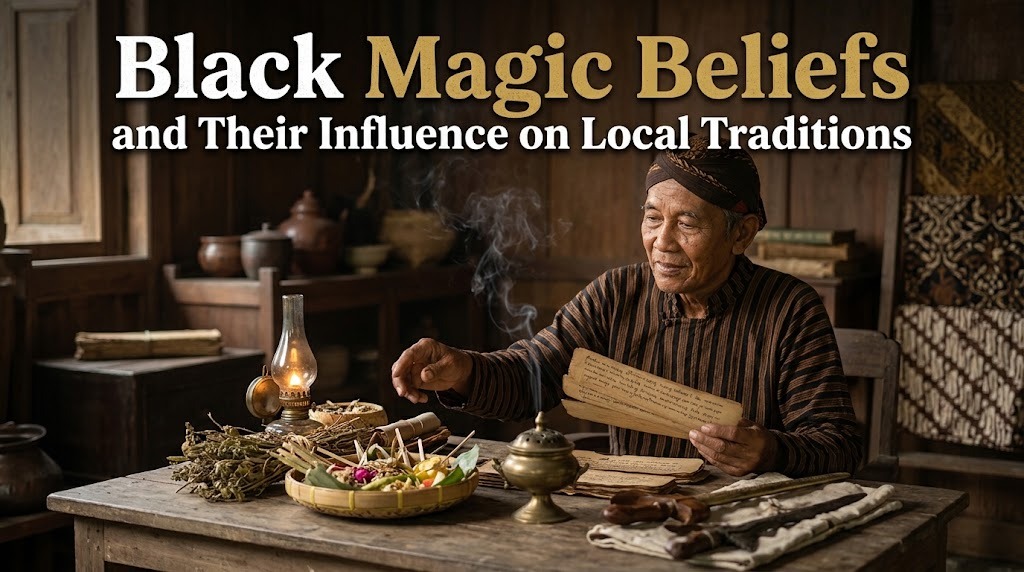
Black magic has been a subject of fascination in many societies for centuries. Different communities have developed their own beliefs about supernatural powers, mysterious practices, and forces that are believed to influence human life. Although the meaning of black magic can vary between cultures, it is often connected with fear, mystery, protection, and spiritual beliefs.
These beliefs have also influenced local traditions, folklore, stories, and social practices. In some communities, stories about black magic are used to explain unusual events or warn people about behavior considered dangerous. Understanding these beliefs does not necessarily mean accepting them as factual, but it helps explain how culture and tradition shape people's understanding of the supernatural.
THE MEANING OF BLACK MAGIC IN DIFFERENT CULTURES
The term black magic generally refers to supernatural practices that are believed to be used for harmful, selfish, or controlling purposes. However, there is no single definition of black magic that applies to every culture. Some societies distinguish between magic used for healing or protection and practices believed to cause harm. In other traditions, the distinction between good and harmful magic can be much more complex.
Beliefs about black magic are often connected to a community's religious traditions, folklore, and worldview. People may interpret mysterious events through stories that have been passed down through generations. Because cultures have different histories and spiritual traditions, the concept of black magic can take many forms around the world.
BLACK MAGIC AND LOCAL FOLKLORE
Folklore plays an important role in preserving stories about supernatural practices. Legends involving witches, curses, spirits, magical objects, and mysterious figures can become part of a community's cultural heritage. These stories are often shared through oral traditions, family stories, local performances, and written literature.
Local folklore does more than entertain people. It can also communicate cultural values and social warnings. For example, a story about a supernatural curse may encourage people to respect certain places, avoid particular behavior, or follow traditional customs. In this way, black magic stories can become symbolic tools for teaching lessons within a community.
INFLUENCE ON LOCAL TRADITIONS
Beliefs about black magic can influence traditions in different ways. Some communities develop protective rituals, symbolic objects, prayers, or traditional ceremonies because people believe these practices can provide safety from supernatural harm. These customs may continue even when younger generations understand them differently from their ancestors.
The influence can also be seen in festivals, traditional performances, storytelling, and local art. Supernatural characters may appear in dances, theater, literature, or community celebrations. Even when people no longer literally believe every story, the traditions can remain important because they represent historical identity and cultural memory.
WHY THESE BELIEFS CONTINUE ACROSS GENERATIONS
Stories about black magic often survive because they are connected to strong human emotions. Fear, curiosity, uncertainty, and fascination with the unknown can make supernatural stories memorable. Parents and grandparents may share these stories with younger family members as part of local storytelling traditions.
Modern technology has also given these stories new ways to spread. Movies, television programs, books, websites, and social media can introduce traditional supernatural beliefs to wider audiences. As a result, some old legends are preserved while others are changed to fit modern entertainment and contemporary cultural interests.
BLACK MAGIC IN MODERN SOCIETY
Today, black magic continues to appear in popular culture and public discussions. Films, novels, games, and television series frequently use magical curses and supernatural characters because they can create mystery, suspense, and dramatic conflict. These fictional representations, however, should not always be treated as accurate descriptions of real cultural beliefs.
Modern discussions about black magic can also provide opportunities to study history and anthropology. Researchers can examine these beliefs to understand how communities have interpreted illness, misfortune, conflict, and unexplained events. Studying them from a cultural perspective helps people recognize the difference between cultural belief, folklore, and historical evidence.
CONCLUSION
Black magic beliefs have influenced local traditions in many parts of the world. Their influence can be found in folklore, storytelling, rituals, art, literature, and cultural ceremonies. Although interpretations differ between communities, these traditions often reflect people's attempts to understand mystery, danger, and events that seem difficult to explain.
Understanding black magic as a cultural subject allows people to appreciate the history behind these traditions without automatically treating every supernatural story as fact. By examining folklore and local customs in their historical context, we can better understand how beliefs are passed from one generation to another and become part of cultural identity.
About the Author
Gusti Ayu Tita P
Author — STEKOM University
An active author focused on academic issues, educational technology, and human resource development in the campus environment.















