
Black Magic in Ancient Traditions and Modern Popular Culture
Gusti Ayu Tita P
10 September 2026
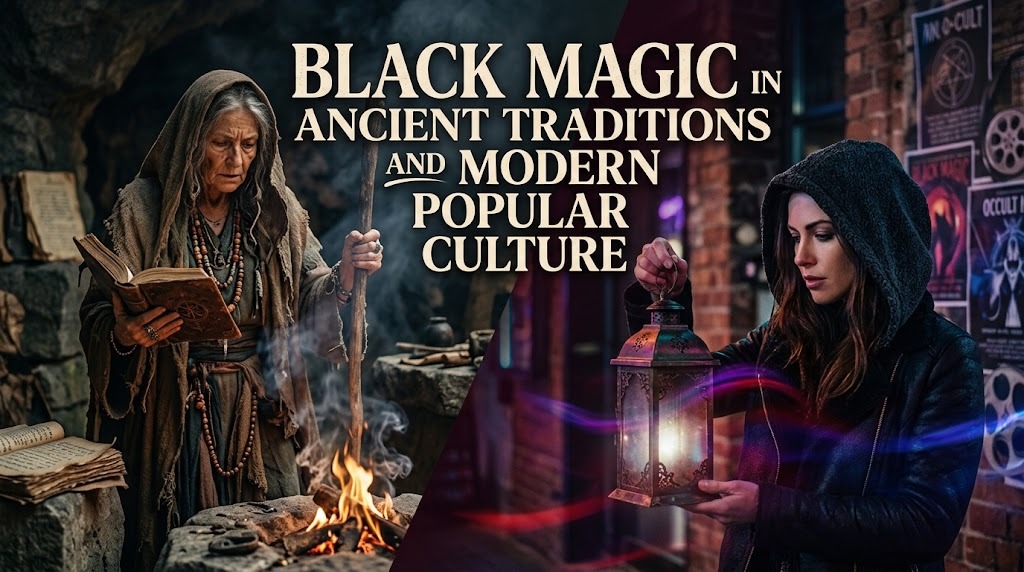
Black magic has long appeared in stories, traditions, and cultural beliefs around the world. Although the meaning of black magic can differ between societies, it is commonly associated with supernatural practices, mysterious powers, curses, or attempts to influence events through unseen forces. Over time, these ideas have developed from traditional beliefs into themes frequently used in books, films, television shows, and video games. Understanding this subject requires separating historical practices and cultural beliefs from fictional representations.
BLACK MAGIC IN ANCIENT TRADITIONS
Ideas that are now described as black magic existed in various ancient societies, although people in those cultures did not always use the modern term. Ancient communities developed rituals, protective practices, divination, and forms of ritual magic for different purposes. Some practices were intended to heal, protect families, understand the future, or communicate with supernatural forces. Others were viewed negatively when they were believed to harm another person or interfere with social order. Therefore, the distinction between accepted and forbidden magic often depended on the culture and period.
In the ancient Mediterranean world, magical practices could be found alongside religious traditions, medicine, and astrology. Ancient Egyptian texts, for example, contain spells associated with protection and healing, while Greek and Roman societies also produced magical texts and objects. These practices should not automatically be classified as black magic because their purposes and meanings were more complex. The idea of magic as either good or evil became more clearly divided in some later religious and cultural traditions.
BLACK MAGIC IN FOLKLORE AND CULTURAL BELIEFS
As societies passed stories from one generation to another, supernatural practices became part of traditional folklore. Legends about curses, witches, mysterious strangers, spirits, and enchanted objects helped communities explain frightening or unusual experiences. These stories were often influenced by local religion, social values, fears, and ideas about morality. As a result, representations of black magic differ significantly from one culture to another.
Folklore also helped preserve cultural memories even when the original beliefs changed. A story about a curse might teach people about the consequences of breaking social rules, while a tale about a mysterious practitioner could represent fears about outsiders or unfamiliar practices. Cultural beliefs therefore played an important role in shaping how supernatural powers were understood. What one society considered dangerous magic might have had a different interpretation elsewhere.
THE DEVELOPMENT OF BLACK MAGIC IN LATER HISTORY
During the medieval and early modern periods, accusations involving magic and witchcraft became important parts of European social and religious history. People could be accused of using supernatural powers to cause illness, damage crops, or harm others. However, historical witchcraft accusations were influenced by many factors, including religious beliefs, political circumstances, community conflicts, and social tensions. They should not be treated simply as evidence that supernatural black magic actually occurred.
The concept of forbidden magic also developed in other parts of the world through different cultural traditions. Beliefs concerning curses, sorcery, spirits, and supernatural abilities existed in many regions, but they were shaped by local histories and religious systems. This shows that black magic beliefs cannot be understood through one universal definition. Studying them requires attention to the specific culture and historical period in which they appeared.
BLACK MAGIC IN MODERN POPULAR CULTURE
Modern popular culture has transformed black magic into a powerful storytelling element. Black magic in fiction often appears in fantasy novels, horror movies, television series, comics, and video games. Writers and filmmakers may portray it as a dangerous force connected to curses, dark rituals, supernatural creatures, or forbidden knowledge. These representations are usually created for entertainment rather than as accurate descriptions of historical traditions.
Modern stories also frequently combine elements from different cultures to create fictional magical systems. A character may use spells, mysterious symbols, enchanted objects, or supernatural powers that have little connection to a specific historical tradition. This creative approach has made black magic a recognizable theme for international audiences. However, fictional portrayals can sometimes simplify or distort real cultural beliefs.
WHY BLACK MAGIC REMAINS INTERESTING TODAY
Black magic continues to attract attention because it combines mystery, fear, morality, and the unknown. People are naturally interested in stories that explore questions about supernatural powers and things that cannot easily be explained. Popular entertainment also keeps these themes visible by presenting them in new forms. Supernatural stories can therefore remain relevant even as technology and society change.
Another reason for its popularity is its symbolic value. In fiction, black magic can represent power, temptation, revenge, forbidden knowledge, or the consequences of making dangerous choices. These themes allow creators to explore human emotions through supernatural settings. At the same time, learning about historical beliefs can provide useful insight into how different societies understood fear, morality, religion, and the unknown.
CONCLUSION
Black magic has developed through a long history of cultural traditions, folklore, religious ideas, and storytelling. Ancient societies practiced forms of magic for many different purposes, and not all of these practices were considered evil or harmful. Over time, stories about forbidden supernatural powers became part of folklore and later influenced modern literature and entertainment. Popular culture has continued to reshape these ideas through fictional characters, magical worlds, films, and games. By distinguishing historical beliefs from fictional representations, people can better understand why black magic remains such a fascinating subject across different cultures and generations.
About the Author
Gusti Ayu Tita P
Author — STEKOM University
An active author focused on academic issues, educational technology, and human resource development in the campus environment.















