
Building an Honest Culture to Prevent Corruption
Gusti Ayu Tita P
30 Juli 2026
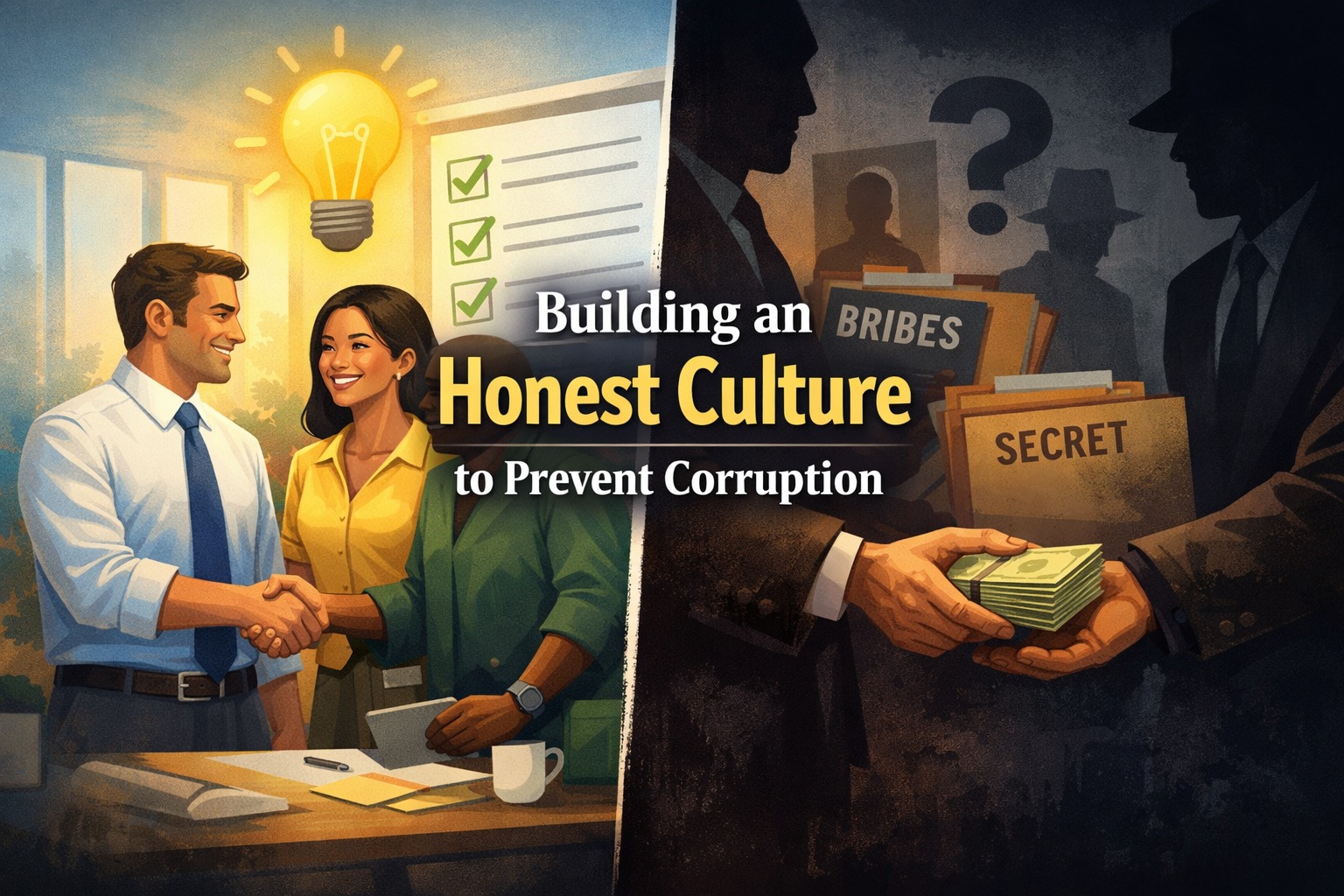
Corruption is one of the biggest challenges that can damage a nation’s progress and public welfare. It weakens trust in government institutions, slows economic growth, and creates social injustice. Because of these harmful effects, preventing corruption has become an important responsibility for society.
One of the most effective ways to fight corruption is by building an honest culture. Honesty and integrity should become core values in everyday life, starting from families, schools, workplaces, and communities. When people value honesty, opportunities for corruption can be significantly reduced.
UNDERSTANDING HONEST CULTURE
An honest culture refers to a social environment where people value truth, fairness, responsibility, and ethical behavior. In an honest society, individuals are encouraged to act transparently and avoid dishonest practices.
Honesty is not only about telling the truth but also about respecting rules, fulfilling responsibilities, and avoiding actions that harm others. Building this culture requires consistent education and positive examples from leaders and communities.
A strong honest culture creates trust between citizens, institutions, and governments.
THE RELATIONSHIP BETWEEN HONESTY AND CORRUPTION
Corruption often grows in environments where dishonesty is tolerated or ignored. Small unethical actions, such as cheating or lying, can develop into larger corrupt practices over time.
When honesty is not valued, people may prioritize personal gain over fairness and public welfare. This mindset creates opportunities for bribery, misuse of authority, and abuse of public resources.
By promoting honesty in daily life, society can reduce the risk of corruption and strengthen moral values.
THE ROLE OF FAMILY IN BUILDING HONESTY
Families play a major role in shaping children’s character and moral values. Parents can teach honesty by becoming good role models in everyday situations.
Simple habits such as telling the truth, keeping promises, and taking responsibility for mistakes help children understand the importance of integrity. Open communication and moral guidance within families also strengthen ethical behavior.
Children who grow up in honest environments are more likely to reject corruption in the future.
THE IMPORTANCE OF CHARACTER EDUCATION
Schools and educational institutions have a strong responsibility to build students’ character. Education should not only focus on academic success but also on developing integrity, discipline, and accountability.
Teachers can encourage honesty by creating fair learning systems and discouraging cheating or dishonest behavior. Character education programs can help students understand the long-term impact of ethical actions.
A strong educational foundation prepares young people to become responsible citizens and future leaders.
USING TECHNOLOGY TO SUPPORT TRANSPARENCY
Modern technology can help create a more transparent and accountable society. Digital systems reduce opportunities for illegal practices by making public services more open and efficient.
Online payment systems, digital reporting, and electronic public services help minimize bribery and administrative corruption. Social media can also be used to spread awareness about honesty and anti-corruption values.
Technology should be used responsibly to support transparency and ethical behavior in society.
THE ROLE OF YOUNG GENERATIONS
Young people are important in promoting an honest culture and preventing corruption. Students and youth communities can spread positive values through campaigns, discussions, and digital content.
By practicing honesty in school, social activities, and online interactions, young generations can inspire others to act ethically. Youth participation is essential in creating long-term cultural change.
Future leaders with strong integrity will help build a fairer and cleaner society.
GOVERNMENT RESPONSIBILITY IN PREVENTING CORRUPTION
Governments must also play an active role in building an honest culture. Transparent systems, fair law enforcement, and accountable leadership are important in reducing corruption.
Public officials should become role models by demonstrating ethical behavior and professionalism. Strong anti-corruption regulations and strict punishment for corrupt actions are necessary to maintain public trust.
Collaboration between governments and citizens can create a more transparent and responsible nation.
BUILDING A BETTER FUTURE THROUGH HONESTY
A country can achieve sustainable progress when honesty becomes part of its national culture. Honest societies create stronger economies, better public services, and higher public trust.
Building this culture requires continuous effort from families, schools, communities, governments, and young generations. Small honest actions practiced consistently can lead to significant positive changes.
By choosing honesty and integrity, society can create a brighter future free from corruption.
CONCLUSION
Building an honest culture is one of the most effective ways to prevent corruption and strengthen society. Honesty, integrity, and accountability should be taught and practiced in everyday life from an early age.
Families, schools, governments, and communities all have important roles in promoting ethical behavior and transparency. With cooperation and strong moral values, nations can reduce corruption and create a more just, prosperous, and trustworthy future.
About the Author
Gusti Ayu Tita P
Author — STEKOM University
An active author focused on academic issues, educational technology, and human resource development in the campus environment.















