Building Healthy Lifestyle Habits from an Early Age
Gusti Ayu Tita P
8 Agustus 2026
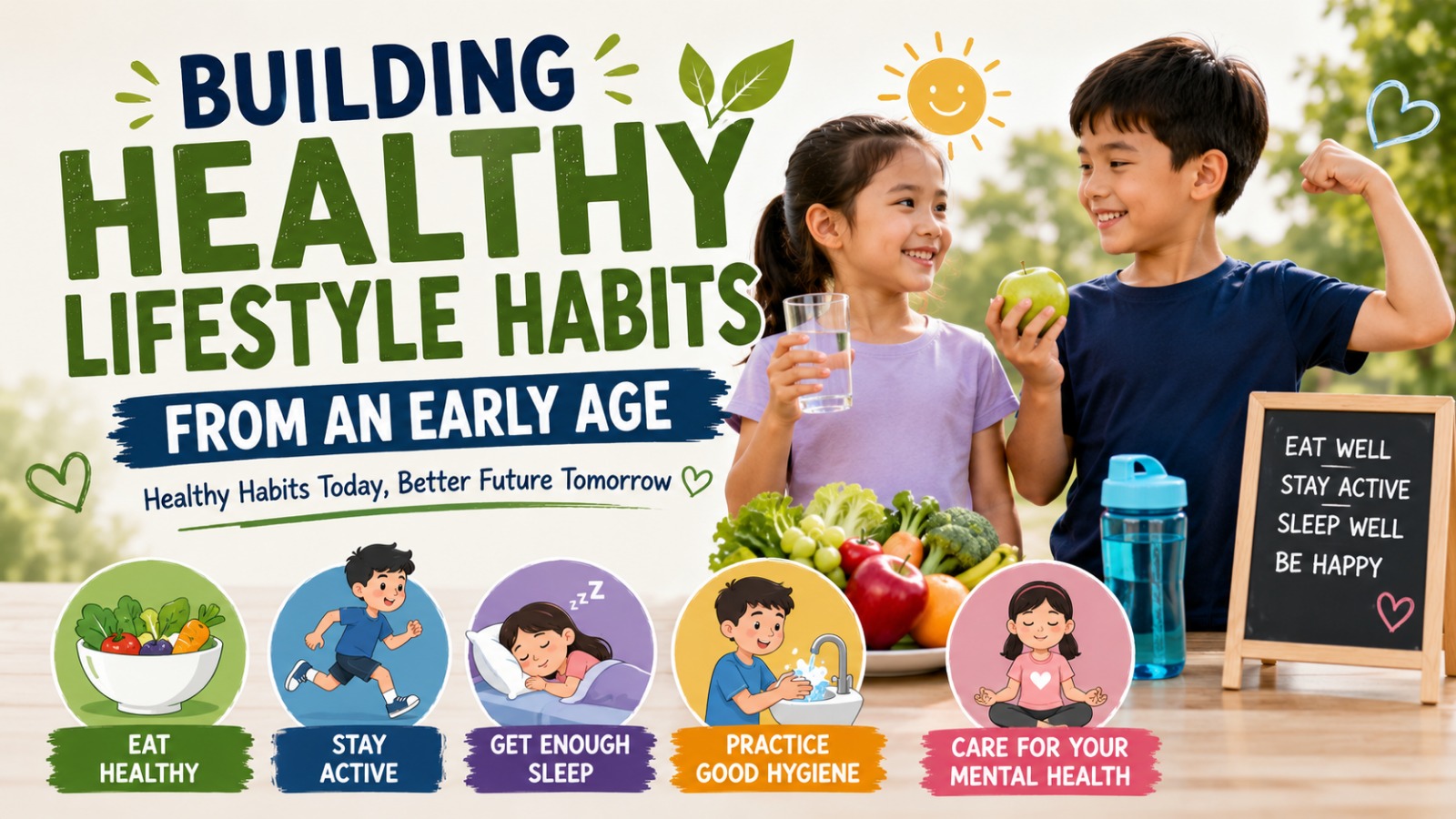
Developing healthy lifestyle habits from an early age is one of the best ways to support long-term physical and mental well-being. Children who learn healthy routines early in life are more likely to maintain those habits as they grow older. In today’s modern world, where unhealthy food choices and sedentary lifestyles are increasingly common, teaching healthy living has become more important than ever.
Healthy habits not only improve physical health but also help children build discipline, confidence, and emotional balance. Parents, teachers, and communities all play a vital role in shaping positive daily routines for young generations.
THE IMPORTANCE OF HEALTHY HABITS IN CHILDHOOD
Childhood is a critical stage for growth and development. During this period, the body and brain need proper nutrition, regular activity, and enough rest to function optimally.
When children develop healthy habits early, they are more likely to avoid health problems such as obesity, diabetes, and heart disease later in life. Healthy routines also support better concentration, stronger immunity, and improved academic performance.
ENCOURAGING A BALANCED DIET
Teaching children to eat nutritious foods is an essential part of building a healthy lifestyle. A balanced diet that includes fruits, vegetables, protein, whole grains, and dairy products provides the nutrients needed for growth and energy.
Parents should encourage healthy eating by preparing nutritious meals at home and limiting processed foods, sugary snacks, and soft drinks. Making healthy meals colorful and enjoyable can also help children develop positive eating habits.
PROMOTING REGULAR PHYSICAL ACTIVITY
Physical activity is important for maintaining a healthy body and mind. Encouraging children to stay active through sports, outdoor games, cycling, or simple exercises can improve fitness and strengthen muscles and bones.
Regular exercise also helps children release energy, improve mood, and reduce stress. Instead of spending too much time on gadgets, children should be encouraged to participate in active and social activities.
TEACHING THE VALUE OF QUALITY SLEEP
Adequate sleep is essential for healthy growth and mental development. Children who get enough sleep tend to have better focus, stronger memory, and improved emotional control.
Creating a consistent bedtime routine and reducing screen time before sleep can help improve sleep quality. A comfortable sleeping environment also supports healthy rest patterns.
BUILDING GOOD HYGIENE HABITS
Teaching personal hygiene from an early age is another important aspect of a healthy lifestyle. Simple habits such as washing hands, brushing teeth, bathing regularly, and keeping surroundings clean can prevent illnesses and infections.
Good hygiene habits also help children become more responsible and aware of their health and environment.
DEVELOPING POSITIVE MENTAL HEALTH HABITS
Healthy living is not only about physical health but also emotional well-being. Children should learn how to manage emotions, communicate openly, and build positive relationships with others.
Parents and teachers can support mental health by listening to children, encouraging self-confidence, and creating a supportive environment. Activities like reading, meditation, and spending time with family can also improve emotional balance.
THE ROLE OF PARENTS AND SCHOOLS
Parents and schools have a strong influence on children’s daily habits. Children often learn by observing the behavior of adults around them. Therefore, parents should become positive role models by practicing healthy lifestyles themselves.
Schools can also contribute by providing health education, encouraging physical activities, and offering healthy food choices in cafeterias.
CONCLUSION
Building healthy lifestyle habits from an early age is an investment in a child’s future. Healthy eating, regular exercise, quality sleep, good hygiene, and positive mental health practices can help children grow into healthier and happier adults.
By teaching and supporting healthy habits consistently, parents and communities can help create a stronger and healthier generation for the future.
About the Author
Gusti Ayu Tita P
Author — STEKOM University
An active author focused on academic issues, educational technology, and human resource development in the campus environment.