
Building More Connected Cities Through Public Transportation
Gusti Ayu Tita P
11 Agustus 2026
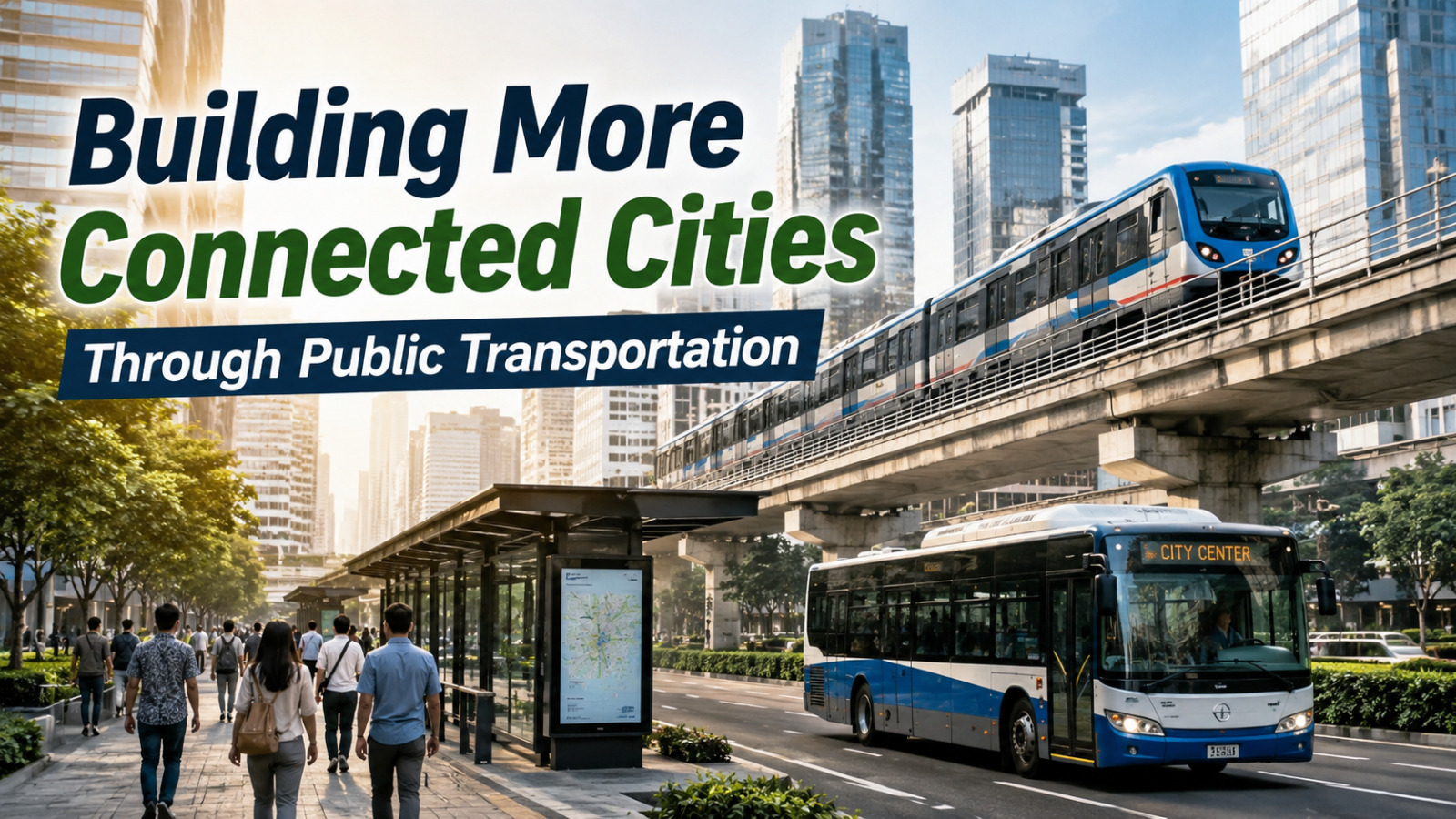
Public transportation plays an important role in creating connected, accessible, and efficient cities. As urban populations continue to grow, cities need transportation systems that can move people safely while connecting residential areas, workplaces, schools, and public facilities. Buses, trains, light rail, and other public transit services can help residents travel without depending entirely on private vehicles.
A well-designed public transportation network can also support economic development, social inclusion, and environmental sustainability. When people can reach important destinations easily, they have better access to jobs, education, healthcare, and community activities. For this reason, improving public transportation is an important step toward building cities that are more connected and convenient for everyone.
PUBLIC TRANSPORTATION CONNECTS DIFFERENT PARTS OF A CITY
One of the main functions of public transportation is connecting different parts of an urban area. Reliable transit routes allow people from residential neighborhoods to reach business districts, schools, hospitals, shopping centers, and other important destinations. This connection becomes increasingly important as cities expand and people live farther from their workplaces or educational institutions.
An integrated transportation network can make daily travel more convenient. Buses, trains, and other transit services can work together through coordinated routes and schedules, reducing unnecessary transfers and long waiting times. When different transportation options are connected effectively, residents can travel across the city with greater confidence and efficiency.
PUBLIC TRANSIT IMPROVES ACCESS TO JOBS AND EDUCATION
Good public transportation can provide better access to employment and educational opportunities. People who do not own private vehicles can still travel to workplaces, universities, schools, and training centers when reliable transit services are available. This can help reduce transportation barriers that often affect low-income communities and people living far from major urban centers.
Improved access can also benefit businesses and educational institutions. Employees can reach workplaces more easily, while students can attend schools and universities without relying entirely on family members for transportation. As a result, better public transit can support social mobility and create more equal opportunities across different communities.
PUBLIC TRANSPORTATION HELPS REDUCE TRAFFIC CONGESTION
Traffic congestion is a major challenge in many growing cities. When too many people use private cars and motorcycles, roads can become crowded, travel times can increase, and fuel consumption can rise. An effective public transit system can provide an alternative that moves large numbers of passengers using fewer vehicles on the road.
Encouraging more people to use buses, trains, and other shared transportation can help reduce pressure on urban roads. However, public transportation must be frequent, reliable, safe, and convenient to attract regular passengers. When transit services meet these expectations, residents may be more willing to leave private vehicles at home.
SMART TECHNOLOGY MAKES URBAN TRANSIT MORE CONNECTED
Digital technology is changing how people use public transportation. Mobile applications, digital payment systems, real-time tracking, and electronic information boards can make journeys easier to plan. Passengers can check schedules, track vehicles, purchase tickets, and receive service updates using digital devices.
Smart technology can also help transportation operators manage their systems more efficiently. Real-time data can be used to identify delays, monitor passenger demand, and adjust services when necessary. By combining technology with effective transportation planning, cities can create more responsive and connected transit networks.
INTEGRATED TRANSPORTATION CREATES EASIER JOURNEYS
A connected city needs more than individual public transit routes. Different transportation services should be integrated into a single network so passengers can move smoothly from one location to another. For example, a passenger may use a local bus to reach a train station and then continue the journey by rail.
Integrated ticketing and coordinated schedules can make these transfers easier. Convenient connections between buses, trains, cycling facilities, and pedestrian routes can also encourage people to choose public transportation more often. The goal is to make the entire journey simple rather than focusing only on one part of the trip.
BETTER TRANSIT SUPPORTS ENVIRONMENTAL SUSTAINABILITY
Public transportation can contribute to greener urban development by reducing dependence on private vehicles. When more people share buses and trains, the number of individual vehicle trips can decrease. This can help lower fuel consumption, traffic-related emissions, and pressure on urban road infrastructure.
Cities can strengthen these benefits by investing in cleaner transportation technologies. Electric buses, energy-efficient trains, renewable energy, and environmentally responsible infrastructure can make public transit more sustainable. These improvements can support cleaner air and contribute to long-term environmental goals.
PUBLIC TRANSPORTATION CAN SUPPORT LOCAL ECONOMIC GROWTH
Transportation and economic activity are closely connected. A reliable transit network allows workers to reach employment centers and enables customers to access shops, restaurants, markets, and other local businesses. Areas located near convenient transit stations can become more attractive for commercial and community activities.
Public transportation can also create employment through vehicle operations, maintenance, infrastructure development, technology services, and transportation management. Investment in transit infrastructure may therefore produce benefits beyond mobility. A strong transportation network can help create a more active and productive urban economy.
SAFE AND COMFORTABLE TRANSIT ENCOURAGES MORE USERS
Connectivity is not only about routes and schedules. Passengers also need to feel safe, comfortable, and respected when using public transportation. Clean vehicles, well-maintained stations, adequate lighting, clear information, and appropriate security measures can improve the overall travel experience.
Accessibility is equally important for older adults, people with disabilities, children, and passengers carrying heavy items. Features such as ramps, elevators, priority seating, accessible vehicles, and clear signs can make transit more inclusive. When public transportation is designed for different needs, more residents can use it confidently.
CONNECTED TRANSIT CAN IMPROVE QUALITY OF LIFE
Efficient transportation can have a direct impact on people's daily lives. Shorter and more predictable journeys can give residents more time for work, education, family, and personal activities. Reliable transit can also reduce the stress associated with unpredictable traffic and difficult parking.
A connected transportation system can make urban life more flexible. People can choose where to live, work, study, or spend their free time based on accessible transportation options rather than being completely dependent on private vehicles. This can contribute to more inclusive and livable cities.
CONCLUSION
Building more connected cities through public transportation requires reliable services, integrated networks, modern technology, accessibility, safety, and sustainable planning. Public transit can connect neighborhoods, improve access to opportunities, reduce traffic congestion, support local businesses, and contribute to environmental sustainability. These benefits make transportation an essential part of successful urban development.
As cities continue to grow, investment in public transportation should focus not only on expanding routes but also on improving the quality of the entire passenger experience. A connected city is one where people can move easily, affordably, safely, and efficiently. By developing better public transportation systems, cities can create stronger connections between people, communities, and economic opportunities.
About the Author
Gusti Ayu Tita P
Author — STEKOM University
An active author focused on academic issues, educational technology, and human resource development in the campus environment.















