Building Patriotism Through The Spirit Of Nationalism
Gusti Ayu Tita P
4 Agustus 2026
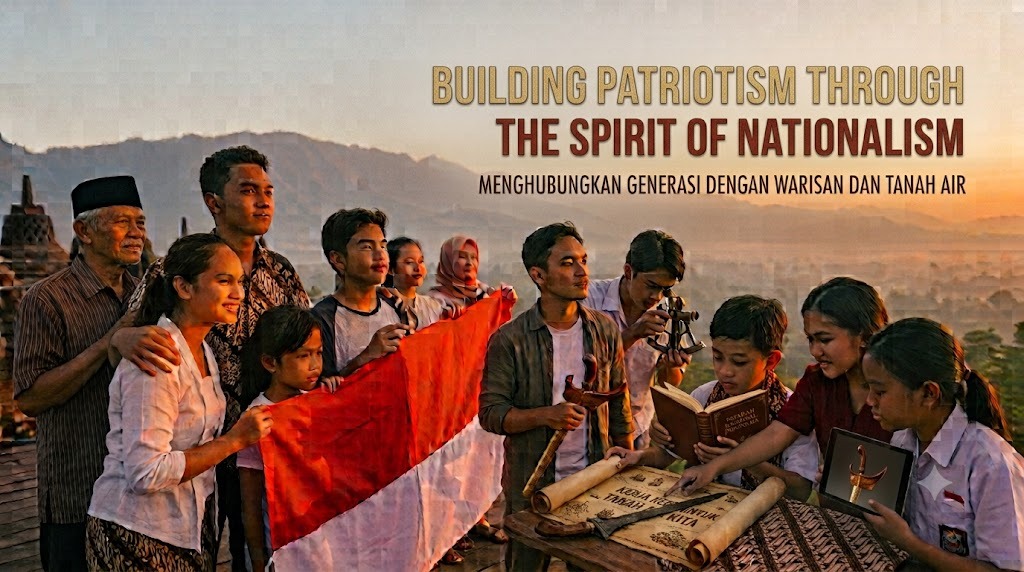
Patriotism and nationalism are important values for building a strong and united nation. Patriotism refers to a sense of love, pride, and willingness to contribute to one's country. Nationalism supports these feelings by creating a strong connection between individuals and their national identity. When these values are practiced positively, they can encourage people to care about their communities and contribute to national development.
In modern society, patriotism is not limited to defending a country during difficult situations. It can be shown through responsible behavior, respect for others, cultural preservation, community participation, and efforts to improve society. Nationalism provides a foundation for these actions by reminding citizens of their shared identity and responsibilities. Therefore, building patriotism through nationalism is important for creating responsible and caring citizens.
UNDERSTANDING PATRIOTISM AND NATIONALISM
Patriotism is a positive feeling of love and commitment toward one's country. It can motivate citizens to protect national interests and contribute to the well-being of society. Patriotism can be expressed through simple actions such as following laws, respecting public facilities, helping others, and protecting the environment. It does not require people to consider their country better than every other country.
Nationalism is closely related to a sense of belonging and responsibility toward a nation. It encourages people to appreciate their national identity and work toward common goals. Healthy nationalism respects other nations and cultures while maintaining pride in one's own country. When nationalism is practiced inclusively, it can become a strong foundation for developing positive patriotism.
THE CONNECTION BETWEEN NATIONALISM AND PATRIOTISM
Nationalism and patriotism have a close relationship because both involve a person's connection to their country. Nationalism emphasizes national identity, unity, and shared values, while patriotism focuses more strongly on love, pride, and commitment to the country. These values can support each other when they encourage positive actions. Together, they can motivate citizens to contribute to national development.
However, nationalism should not be based on hatred or hostility toward other countries. Patriotism should also encourage respect for people from different backgrounds. Healthy national pride can exist alongside respect for other nations. This balanced approach helps create citizens who are confident in their identity while remaining open-minded.
DEVELOPING PATRIOTISM THROUGH EDUCATION
Education is one of the most effective ways to develop patriotism. Schools can teach students about national history, cultural heritage, citizenship, Pancasila, and the importance of unity. Learning about the struggles and achievements of previous generations can help students understand the value of their country. Education can also develop discipline, responsibility, critical thinking, and cooperation.
Patriotism should not only be taught through textbooks. Students can practice national values through community service, cultural activities, environmental projects, student organizations, and teamwork. These experiences allow them to understand how their actions affect other people. When students regularly contribute to their communities, patriotism becomes a practical part of their lives.
LEARNING FROM NATIONAL HISTORY
History provides important lessons about the development of a nation. Learning about Indonesia's struggle for independence can help young people understand the sacrifices made by previous generations. Historical knowledge can develop appreciation, responsibility, and respect for national achievements. It also helps people understand why unity was important in overcoming challenges.
History education should go beyond memorizing dates and names. Students should be encouraged to understand the values behind historical events, including courage, cooperation, perseverance, and solidarity. Understanding the past can inspire people to contribute to the present and future. This makes historical learning an important part of developing patriotism.
PRESERVING NATIONAL CULTURE
Culture is an important part of national identity and patriotism. Indonesia has many cultural traditions, languages, arts, foods, crafts, and local customs that represent its rich heritage. Learning and preserving these traditions can strengthen people's connection with their country. Appreciating cultural heritage is a meaningful way to demonstrate national pride.
Young people can participate in cultural events, learn traditional arts, support local artists, and introduce Indonesian culture through digital platforms. They can create videos, articles, photographs, and other content that presents local traditions positively. Modern technology can help cultural heritage reach younger audiences and international communities. Cultural preservation can therefore become both a patriotic activity and a creative opportunity.
SUPPORTING LOCAL PRODUCTS AND THE ECONOMY
Supporting local products is another practical way to express patriotism. Indonesia has many small businesses, farmers, craftsmen, and creative entrepreneurs who contribute to the economy. Purchasing quality domestic products can help support these communities and create economic opportunities. Young consumers can also promote local brands through social media.
Supporting local products does not mean rejecting everything from other countries. Consumers can remain open to global products while making responsible choices that also consider domestic economic development. Supporting local businesses can strengthen communities and encourage national economic growth. This is a simple action that can connect everyday consumption with patriotic values.
USING TECHNOLOGY TO PROMOTE NATIONAL PRIDE
Technology provides many opportunities to promote patriotism in modern society. Social media can be used to share information about Indonesian culture, national achievements, tourism, local products, history, and community activities. Young people can use digital creativity to introduce positive stories about Indonesia. This can help strengthen national pride among citizens and audiences abroad.
Digital platforms also require responsible behavior. Users should verify information and avoid spreading misinformation, hate speech, or content that creates unnecessary division. Responsible digital citizenship is part of modern patriotism. By using technology wisely, people can contribute to a healthier digital environment and strengthen national unity.
RESPECTING DIVERSITY AS A FORM OF PATRIOTISM
Indonesia's diversity is one of its greatest national characteristics. People have different ethnicities, religions, languages, cultures, and opinions. Patriotism should encourage citizens to protect this diversity rather than use differences as reasons for conflict. Respecting diversity is an important expression of love for the country.
Tolerance can be practiced in schools, families, workplaces, communities, and online spaces. People can listen to different opinions, avoid discrimination, and communicate respectfully during disagreements. Unity does not require everyone to be identical. Instead, unity means working together despite differences while sharing a commitment to the nation.
PARTICIPATING IN COMMUNITY ACTIVITIES
Patriotism becomes more meaningful when people actively participate in their communities. Citizens can volunteer, help neighbors, join environmental programs, support social initiatives, and participate in community organizations. These activities encourage cooperation, empathy, and social responsibility. They also create stronger relationships between members of society.
Young people can start with simple activities that match their abilities and interests. Helping organize community events, cleaning public areas, supporting charity programs, or participating in educational activities can make a positive difference. Small contributions can develop strong habits of responsibility and care for others. Over time, these habits can strengthen both community life and patriotism.
THE ROLE OF YOUNG PEOPLE IN BUILDING PATRIOTISM
Young people are important because they will become future leaders, professionals, entrepreneurs, educators, and community members. They have creativity and access to technology that can be used to promote positive national values. Young people can strengthen patriotism by learning continuously, preserving culture, supporting local products, participating in social activities, and using digital platforms responsibly.
They can also become examples for their peers. Positive behavior can influence others and encourage wider participation in community activities. Young people do not have to wait until they become leaders to contribute to the country. Every responsible action taken today can become part of building a better national future.
CHALLENGES IN BUILDING PATRIOTISM
The modern era presents several challenges to patriotism. Globalization, misinformation, cultural changes, consumerism, social polarization, and excessive individualism can influence people's attitudes toward national identity. Young people are exposed to international trends and information every day. Without sufficient awareness, they may become less interested in local culture and social issues.
These challenges should be addressed through education, digital literacy, cultural awareness, and community participation. People should learn to appreciate global developments while maintaining their national identity. Patriotism should be flexible, inclusive, and relevant to modern life. This approach allows national values to remain meaningful without preventing people from learning from the wider world.
CONCLUSION
Building patriotism through the spirit of nationalism requires more than words or symbols. It involves developing love for the country through education, cultural preservation, responsible technology use, support for local products, tolerance, and community participation. These actions can strengthen national identity while encouraging citizens to contribute to society.
Patriotism can begin with simple actions performed consistently. Respecting diversity, protecting the environment, learning about national history, supporting local communities, and using technology responsibly are examples of meaningful patriotic behavior. When these values are practiced by individuals and communities, nationalism can become a positive force for building a united, responsible, and resilient Indonesia.
About the Author
Gusti Ayu Tita P
Author — STEKOM University
An active author focused on academic issues, educational technology, and human resource development in the campus environment.