Building Self Confidence To Break Free From People Pleasing
Gusti Ayu Tita P
7 September 2026
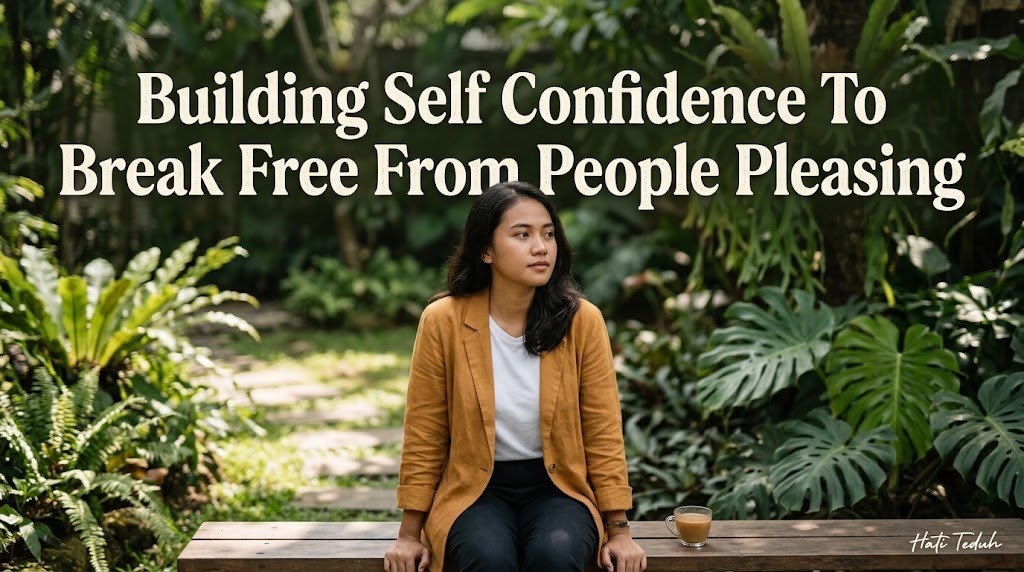
Self confidence plays an important role in helping people make decisions, express opinions, and trust their own abilities. However, people who frequently engage in people pleasing may depend too much on other people's approval. They may feel uncomfortable saying no, disagreeing with others, or choosing what they personally want. Over time, this habit can weaken their trust in their own judgment. Building self confidence can help someone gradually become more comfortable with being authentic and respecting personal needs.
WHAT IS PEOPLE PLEASING?
People pleasing is a pattern of behavior in which someone frequently prioritizes other people's needs, expectations, or feelings over their own. A people pleaser may agree to requests even when they are already tired or busy. They may also change their opinions because they are afraid of criticism, rejection, or conflict. Being kind and helpful does not automatically mean someone is a people pleaser. The problem begins when pleasing others repeatedly causes someone to ignore their own needs and wellbeing.
People pleasing is not a formal mental health diagnosis by itself. It can develop from different experiences, beliefs, fears, and social influences. Some people may become highly dependent on approval because they worry about being disliked. Recognizing these patterns without judging yourself is an important starting point for change.
WHY DOES PEOPLE PLEASING REDUCE SELF CONFIDENCE?
People pleasing can make someone believe that other people's opinions are more important than their own. When a person constantly asks for approval, they may become less comfortable making independent decisions. They may also assume that disagreement means they have done something wrong. Over time, this can create self doubt and dependence on external validation. The person may struggle to recognize their own abilities because they are always looking outward for reassurance.
Another problem is that people pleasers often measure their value through their usefulness to others. They may feel successful when everyone is satisfied but inadequate when someone is disappointed. This creates an unstable sense of confidence because other people's reactions are always changing. Strong self confidence should come from understanding your own value, not from keeping everyone happy.
RECOGNIZE YOUR PEOPLE PLEASING PATTERNS
Before changing people pleasing behavior, it is important to recognize when and why it happens. Notice whether you frequently say yes even when you want to say no. Pay attention to situations where you hide your opinions, apologize unnecessarily, or change your choices to avoid judgment. You can also notice whether another person's disappointment immediately makes you feel responsible. Awareness helps you identify automatic reactions before they control your decisions.
Writing down these situations can make recurring patterns easier to see. Record what happened, how you responded, what you actually wanted, and how you felt afterward. This simple practice can help you understand your triggers and identify areas that need improvement. You cannot change a habit effectively if you do not first recognize how it affects your daily life.
LEARN TO TRUST YOUR OWN DECISIONS
Self confidence grows when you learn to trust your ability to make reasonable decisions. Start with small choices that do not require approval from everyone around you. Decide what you want to do, express your preference, and allow yourself to accept the outcome. You do not need to make perfect decisions to become more confident. Trusting yourself means accepting that you can learn from both successful and unsuccessful choices.
Avoid constantly asking other people whether your decision is correct. Advice can be useful, but it should support your thinking rather than replace it. Consider different perspectives and then make your own final decision. With regular practice, independent decision making can become more comfortable and natural.
STOP DEPENDING ON EXTERNAL VALIDATION
External validation occurs when someone relies heavily on other people's approval to feel good about themselves. People pleasers may constantly look for compliments, reassurance, or signs that others are satisfied with them. While positive feedback can be encouraging, it should not become the foundation of your self worth. Your value should remain stable even when someone disagrees with you. Learning to validate yourself is an important part of building confidence.
You can practice internal validation by recognizing your own effort and progress. Instead of asking whether everyone approves of your decision, ask whether the decision reflects your values and responsibilities. Remind yourself that you are allowed to make choices that others may not prefer. Self validation helps reduce the emotional pressure of seeking constant approval.
BUILD CONFIDENCE THROUGH SMALL ACTIONS
Confidence is not something that has to appear instantly. It can develop through repeated actions that show you are capable of handling different situations. Start by expressing one honest opinion, making one independent decision, or setting one small boundary each day. Celebrate these actions instead of waiting for major achievements. Small successes create evidence that you can trust yourself.
It is also important to recognize your progress. Keep a simple record of situations where you handled something independently or communicated your needs successfully. When you experience setbacks, treat them as opportunities to learn rather than reasons to criticize yourself. Confidence grows through consistent practice, patience, and self acceptance.
STOP APOLOGIZING FOR HAVING REASONABLE NEEDS
People pleasers may apologize whenever they express a preference or ask for something they need. Constantly saying sorry can make normal needs feel like a burden. Not every request for personal space, rest, or time requires an apology. Having reasonable needs does not mean that you are inconveniencing everyone around you.
Instead of automatically apologizing, try using clear and respectful language. You can thank someone for their understanding when appropriate or simply explain your situation. This can help you communicate without treating your own needs as something wrong. Respecting yourself includes allowing your needs to exist without unnecessary guilt.
CREATE A HEALTHIER RELATIONSHIP WITH YOURSELF
Building self confidence requires developing a supportive relationship with yourself. Pay attention to your strengths, interests, values, and personal goals. Give yourself permission to make mistakes without using them as evidence that you are incapable. Treat yourself with the same patience that you would offer to someone you care about. Self respect grows when you stop constantly judging yourself through other people's opinions.
Spend time doing activities that make you feel capable and connected to yourself. These activities can include learning a skill, exercising, creating something, studying, or pursuing a personal interest. The goal is to build an identity that is not based entirely on how useful you are to others. Knowing who you are makes it easier to resist unhealthy pressure to please everyone.
BUILD HEALTHIER SOCIAL RELATIONSHIPS
Breaking free from people pleasing does not mean distancing yourself from everyone. Instead, it means creating relationships where both sides can express needs and opinions. Healthy relationships should allow reasonable disagreement without constant fear of rejection. Mutual respect is more sustainable than one-sided sacrifice.
Pay attention to how people respond when you establish reasonable boundaries. Supportive people may need time to adjust, but they should be able to respect your limits. If someone repeatedly pressures you to ignore your boundaries, that may indicate an unhealthy relationship dynamic. The way people respond to your boundaries can reveal important information about the relationship.
DEAL WITH GUILT AND FEAR DURING THE PROCESS
Feeling guilty is common when someone begins changing long-standing people pleasing habits. The guilt does not necessarily mean that you have made a bad decision. Sometimes it simply reflects the discomfort of doing something unfamiliar. A difficult emotion is not always evidence that your boundary is wrong.
When guilt appears, remind yourself why you made the decision. Consider whether you acted respectfully and whether your choice was reasonable. If both are true, allow the uncomfortable feeling to pass instead of immediately changing your decision. Learning to tolerate temporary guilt can help you develop stronger emotional independence.
WHEN SHOULD YOU SEEK PROFESSIONAL SUPPORT?
People pleasing is not automatically a mental health disorder, but professional support can be helpful when the pattern causes significant distress or interferes with daily life. A qualified mental health professional can help you understand the beliefs, fears, or experiences that may contribute to excessive approval seeking. They can also teach practical strategies for communication, boundaries, and emotional regulation. Seeking professional support is a valid step toward personal growth.
You do not have to wait until your difficulties become severe before asking for help. Professional guidance can provide a safe environment for exploring patterns that may be difficult to change alone. The goal is not to stop caring about other people. The goal is to care for others while also protecting your own wellbeing and identity.
CONCLUSION
Building self confidence is an important part of breaking free from people pleasing. When you trust yourself, you become more comfortable making decisions, expressing opinions, setting boundaries, and saying no. You also become less dependent on other people's approval to determine your self worth. The process takes time, so small and consistent changes are more realistic than expecting immediate transformation.
Remember that becoming more confident does not mean becoming selfish or insensitive. You can remain kind and supportive while still respecting your own needs and limits. Practice self trust, healthy boundaries, assertive communication, and self respect in everyday situations. Most importantly, understand that your value does not depend on how many people you can please.
About the Author
Gusti Ayu Tita P
Author — STEKOM University
An active author focused on academic issues, educational technology, and human resource development in the campus environment.