Can Slow Living Improve Your Physical and Mental Health?
Gusti Ayu Tita P
15 Juli 2026
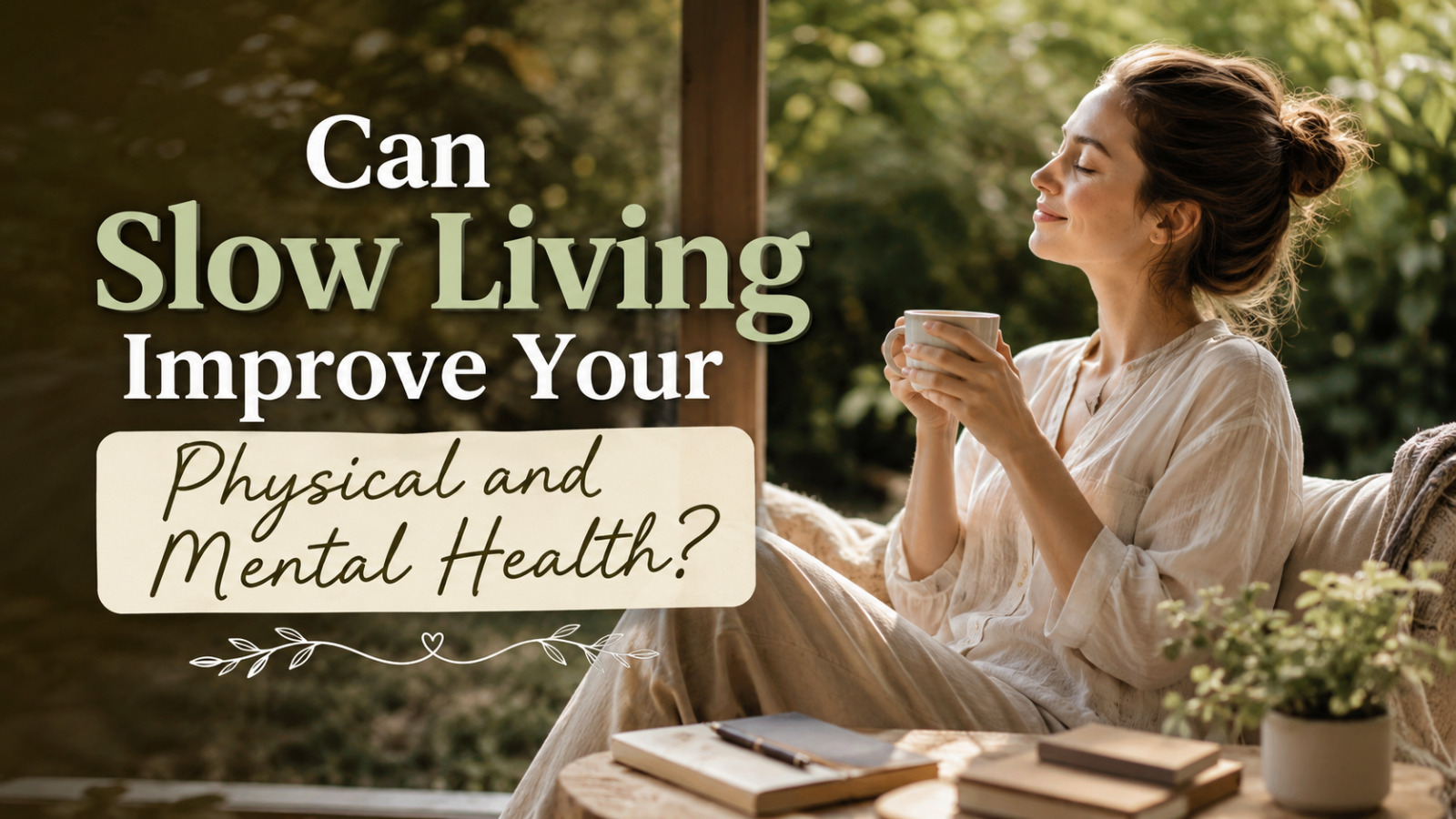
In today's fast-paced world, many people constantly feel pressured to stay productive, meet deadlines, and keep up with endless responsibilities. This lifestyle often leads to stress, fatigue, and a lack of balance between work and personal life. As a result, more people are turning to slow living, a lifestyle that encourages living intentionally and appreciating each moment. But can slow living truly improve your physical health and mental health?
The answer is yes. While slow living is not a medical treatment, many of its principles align with healthy habits that support overall well-being. By slowing down and making conscious choices, people can reduce unnecessary stress, improve their quality of life, and create healthier daily routines.
WHAT IS SLOW LIVING?
Slow living is a lifestyle that focuses on being more intentional, mindful, and present in everyday life. It does not mean being lazy or avoiding responsibilities. Instead, it encourages people to prioritize what truly matters and eliminate unnecessary distractions.
People who practice slow living often choose quality over quantity. They spend more time with family, enjoy healthy meals without rushing, reduce digital distractions, and make time for relaxation. This approach helps create a healthier relationship with work, technology, and personal well-being.
HOW SLOW LIVING BENEFITS PHYSICAL HEALTH
One of the biggest benefits of slow living is its positive impact on physical health. When people slow down, they usually develop healthier daily habits, such as eating nutritious meals, exercising regularly, and getting enough sleep. These habits naturally improve the body's ability to function properly.
In addition, reducing chronic stress helps lower blood pressure, improve heart health, and strengthen the immune system. Many people also experience fewer headaches, less muscle tension, and higher energy levels because their bodies are no longer constantly under pressure.
HOW SLOW LIVING SUPPORTS MENTAL HEALTH
Mental health is closely connected to the way people manage their daily lives. Constant multitasking, excessive screen time, and unrealistic expectations often contribute to anxiety, burnout, and emotional exhaustion. Slow living encourages people to pause, breathe, and focus on one task at a time.
Practicing mindfulness, spending time in nature, and creating quiet moments each day can help reduce stress and improve emotional stability. Many individuals who adopt slow living report feeling calmer, more focused, and more satisfied with their daily experiences.
SIMPLE HABITS TO PRACTICE SLOW LIVING
Adopting slow living does not require a complete lifestyle change. Small, consistent habits can make a significant difference over time. For example, starting the morning without immediately checking social media allows the mind to begin the day more peacefully.
Other helpful habits include enjoying meals without distractions, taking daily walks, reading books, practicing gratitude, and setting healthy boundaries with work. These simple actions encourage a balanced lifestyle and improve both physical and emotional well-being.
COMMON CHALLENGES WHEN STARTING SLOW LIVING
Many people believe that slowing down will make them less productive. However, the opposite is often true. Working with greater focus instead of constantly multitasking usually leads to better results and less stress.
Another challenge is breaking old habits. Modern society often rewards busyness, making it difficult to prioritize rest and personal well-being. With patience and consistency, people can gradually build healthier routines that support long-term wellness.
SCIENTIFIC PERSPECTIVE ON SLOW LIVING
Although "slow living" itself is a lifestyle philosophy rather than a medical practice, many of its core habits are supported by scientific research. Studies consistently show that mindfulness, quality sleep, regular physical activity, healthy nutrition, and stress management contribute to better physical and mental health.
Healthcare professionals also recognize that reducing chronic stress lowers the risk of various health problems, including heart disease, anxiety disorders, and depression. Combining slow living principles with evidence-based healthy habits creates a strong foundation for lifelong well-being.
TIPS TO START YOUR SLOW LIVING JOURNEY
You do not need to change your entire life overnight. Begin by identifying activities that create unnecessary stress and replace them with healthier alternatives. Focus on progress instead of perfection.
Set aside time each day to disconnect from technology, spend time outdoors, or simply relax without distractions. As these habits become part of your routine, you may notice improvements in your mood, energy, concentration, and overall quality of life.
CONCLUSION
Slow living offers a practical way to improve both physical health and mental health by encouraging intentional choices and reducing unnecessary stress. Rather than doing more, it teaches people to focus on what truly adds value to their lives.
Although every person's journey is different, adopting slow living habits can lead to better health, stronger emotional resilience, and a more meaningful everyday experience. Small changes practiced consistently often produce the greatest long-term benefits.
About the Author
Gusti Ayu Tita P
Author — STEKOM University
An active author focused on academic issues, educational technology, and human resource development in the campus environment.