
Can Social Anxiety Affect Social Relationships?
Gusti Ayu Tita P
11 September 2026
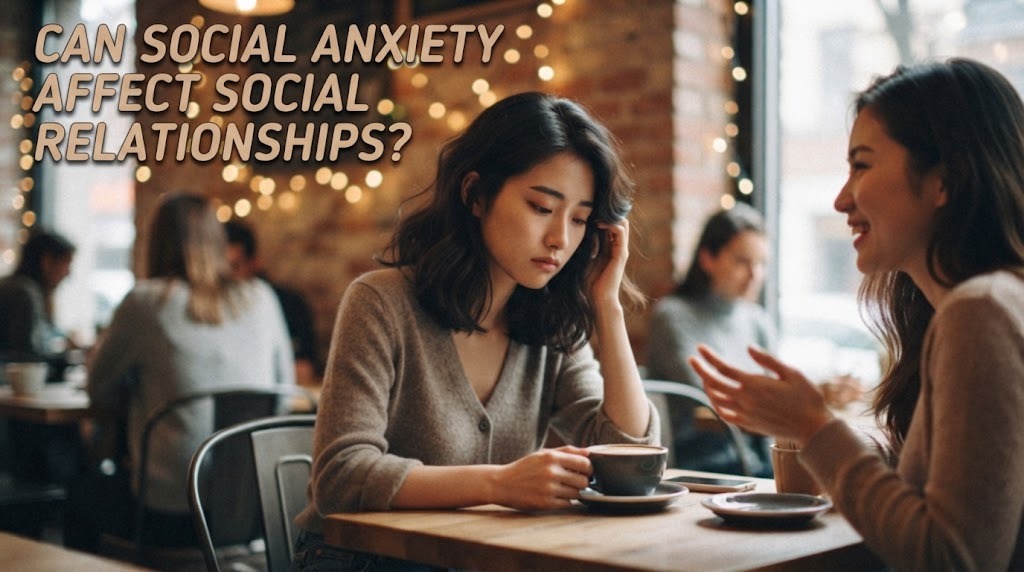
Yes, social anxiety can affect social relationships because it may make people feel nervous, uncomfortable, or afraid during interactions. Someone with social anxiety may worry about being judged, rejected, or embarrassed by others. These concerns can make simple conversations feel difficult. Over time, a person may begin to avoid situations where they need to communicate or meet other people. This can affect friendships, family relationships, school life, and professional connections.
Understanding how social anxiety affects relationships is important because it can help people recognize unhealthy patterns and take gradual steps toward improvement. Social anxiety does not mean someone does not care about others. In many cases, the person wants to connect but feels overwhelmed by fear and self-doubt.
FEAR OF BEING JUDGED
One of the biggest effects of social anxiety is the fear of being judged by other people. Someone may worry that their words, appearance, behavior, or mistakes will be criticized. This fear can make conversations feel stressful even when there is no real threat. As a result, the person may speak less or avoid sharing their opinions. They may also spend a lot of time thinking about how others perceive them.
This constant concern can make relationships harder to develop naturally. Healthy relationships require communication and openness, but anxiety may create barriers to both. Learning that small mistakes are normal can help reduce this fear over time.
DIFFICULTY STARTING CONVERSATIONS
People with social anxiety may have difficulty starting conversations with friends, classmates, coworkers, or new people. They may think too much about what to say before speaking. This can cause them to miss opportunities to connect with others. Even when someone wants to join a conversation, fear and overthinking may prevent them from participating.
As a result, other people may incorrectly think the person is uninterested or unfriendly. In reality, the person may simply feel nervous and unsure. Starting with short and simple conversations can be a useful way to gradually build communication confidence.
AVOIDING SOCIAL ACTIVITIES
Social anxiety can lead to social avoidance, such as refusing invitations, skipping gatherings, or avoiding group activities. Avoidance may provide temporary relief because the person does not have to face an uncomfortable situation. However, repeated avoidance can make social situations feel even more frightening. It can also reduce opportunities to create and maintain relationships.
Over time, friends or family members may feel that the person is becoming distant. This does not necessarily mean the relationship is no longer important. The anxiety itself may be creating the distance, which is why gradual participation can be helpful.
EFFECT ON FRIENDSHIPS
Social anxiety can influence how friendships are formed and maintained. A person may worry about being rejected, saying something wrong, or becoming a burden to their friends. These thoughts can lead to less communication and fewer social activities. Some people may also overthink messages or conversations after they happen.
This can create unnecessary stress in otherwise healthy friendships. Open communication can help friends understand what the person is experiencing. Supportive friends can also make social situations feel safer and less overwhelming.
EFFECT ON FAMILY RELATIONSHIPS
Social anxiety can also affect relationships with family members. Someone may find it difficult to explain their feelings or participate in family conversations. They might prefer staying alone because social interaction feels exhausting or uncomfortable. Family members may misunderstand this behavior as disinterest or unwillingness to communicate.
Creating a supportive environment can make communication easier. Family members can help by listening without excessive criticism or pressure. At the same time, the person experiencing anxiety can gradually practice expressing their thoughts and needs.
OVERTHINKING SOCIAL INTERACTIONS
Another common problem is overthinking after social interactions. A person may repeatedly remember a conversation and worry that they said something embarrassing. Even a normal interaction can become a source of anxiety. This can make the person feel embarrassed or disappointed in themselves.
Overthinking can also reduce confidence in future interactions. It is important to remember that people often notice their own mistakes more than other people do. Learning to accept imperfect conversations can help reduce unnecessary worry.
HOW CAN SOCIAL RELATIONSHIPS BE IMPROVED?
Improving relationships while experiencing social anxiety usually requires small and consistent steps. A person can begin by communicating with someone they trust before moving toward more challenging social situations. Practicing active listening, asking simple questions, and maintaining regular contact can also help. Relaxation techniques such as slow breathing may reduce physical tension during conversations.
It is also useful to challenge negative assumptions about social situations. Not every interaction will be perfect, and mistakes do not automatically damage a relationship. If social anxiety seriously interferes with daily life or relationships, speaking with a qualified mental health professional can provide appropriate support.
CONCLUSION
Social anxiety can affect social relationships by increasing fear, overthinking, avoidance, and communication difficulties. It may make it harder to start conversations, maintain friendships, participate in activities, or express feelings to family members. However, social anxiety does not mean that someone cannot have meaningful relationships. Gradual practice, supportive people, healthy communication, and professional help when needed can make social interactions more manageable. With patience and consistent effort, people can develop greater confidence and build stronger social connections.
About the Author
Gusti Ayu Tita P
Author — STEKOM University
An active author focused on academic issues, educational technology, and human resource development in the campus environment.















