
Can Social Anxiety Affect Your Self Confidence?
Gusti Ayu Tita P
11 September 2026
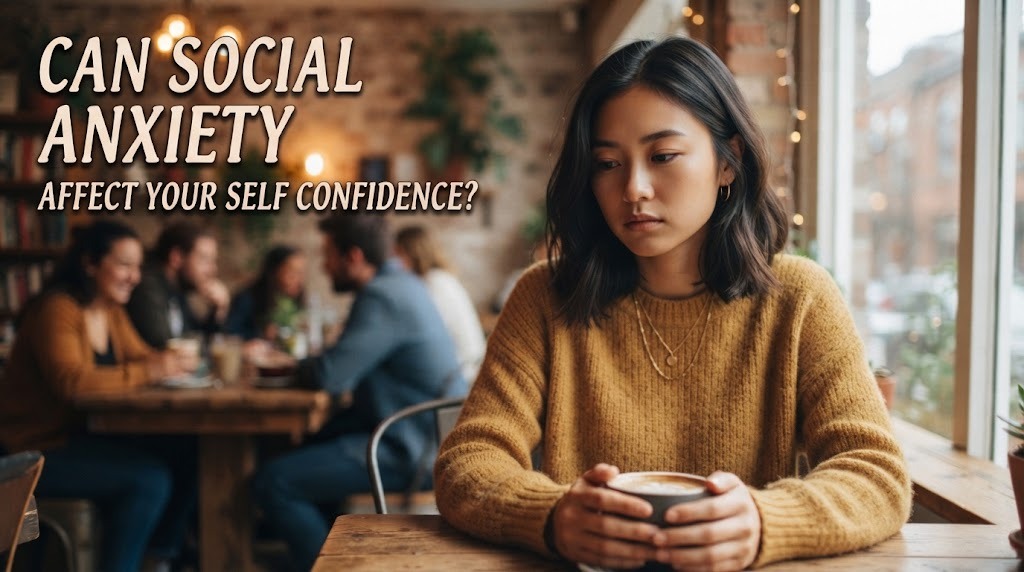
Social anxiety can affect self confidence in several ways. A person may constantly worry about being judged, making mistakes, or appearing uncomfortable in front of others. These worries can change how someone sees their own abilities and make ordinary social situations feel more difficult. Over time, repeated anxiety may cause a person to doubt themselves even when they have strong skills and positive qualities.
The connection between social anxiety and self confidence can become a cycle. Low confidence can increase anxiety, while repeated anxious experiences can further reduce confidence. Understanding this relationship is an important step toward developing healthier thoughts and greater confidence.
FEAR OF NEGATIVE JUDGMENT
People with social anxiety often have a strong fear of being judged negatively. They may worry that others will think they are awkward, boring, unintelligent, or inadequate. This fear can make them focus more on possible mistakes than on their actual strengths.
When these concerns happen repeatedly, a person may begin to believe the negative thoughts about themselves. They might avoid speaking because they assume their opinion is not valuable. Constant fear of judgment can gradually weaken self confidence and make social interaction more stressful.
OVERTHINKING SOCIAL INTERACTIONS
Overthinking is another way social anxiety can affect confidence. Before a conversation, a person may imagine everything that could go wrong. After the interaction, they may repeatedly analyze their words, facial expressions, or the other person's response.
This habit can make small situations seem much more serious than they really are. Someone might remember one awkward moment while ignoring many successful interactions. Focusing on perceived mistakes instead of positive experiences can create an increasingly negative view of oneself.
AVOIDING SOCIAL SITUATIONS
Social anxiety may cause people to avoid situations where they feel exposed or judged. They might avoid presentations, group discussions, parties, phone calls, or meeting unfamiliar people. Avoidance can provide temporary relief because the person does not have to experience the feared situation.
However, avoiding social experiences can reduce opportunities to practice communication skills. Without regular practice, a person may feel less prepared the next time a social situation occurs. This can create a cycle where avoidance lowers confidence and lower confidence increases avoidance.
COMPARING YOURSELF WITH OTHERS
Social anxiety can make people compare themselves with others more frequently. They may notice someone who speaks confidently and assume that person is naturally better at communication. These comparisons often focus on perceived weaknesses while ignoring personal strengths.
Constant comparison can create unrealistic expectations about how someone should behave socially. Everyone has different communication styles, personalities, and experiences. Learning to measure progress against your own previous abilities can be healthier than constantly comparing yourself with other people.
FEAR OF MAKING MISTAKES
A strong fear of making mistakes can also reduce self confidence. Someone may believe that a small mistake will cause other people to remember or judge them negatively. Because of this belief, they may remain silent even when they have something useful to say.
In reality, mistakes are a normal part of communication. Most people make occasional errors when speaking, presenting, or meeting others. Accepting that mistakes are normal can reduce pressure and help a person become more willing to participate in social situations.
PHYSICAL SYMPTOMS CAN INCREASE INSECURITY
Social anxiety can cause physical reactions such as sweating, trembling, blushing, a racing heartbeat, or difficulty speaking. A person may become worried that others will notice these symptoms. This can make them feel even more self-conscious.
The fear of visible anxiety may become a second source of anxiety. Someone may think, for example, that their trembling automatically means they look weak or incapable. Understanding that physical anxiety symptoms are common stress responses can help reduce unnecessary embarrassment.
HOW CAN SELF CONFIDENCE BE IMPROVED?
Improving self confidence often begins with changing unrealistic expectations about social interactions. Instead of expecting every conversation to go perfectly, focus on making gradual progress. Setting small goals, such as greeting someone or asking a simple question, can provide opportunities to experience success.
It is also helpful to recognize personal strengths and positive experiences. Keeping track of small achievements can provide evidence that social situations are not always negative. With repeated practice, these positive experiences can gradually support a healthier sense of confidence.
WHEN SHOULD YOU SEEK PROFESSIONAL HELP?
Occasional nervousness does not necessarily mean that someone has social anxiety. However, professional support may be appropriate when anxiety seriously interferes with school, work, relationships, or everyday activities. Frequent avoidance and intense fear can make it difficult to function normally.
A qualified mental health professional can help identify unhelpful thought patterns and develop suitable coping strategies. Cognitive behavioral therapy is one evidence-based approach commonly used for social anxiety. Seeking support is not a sign of failure but a practical way to improve emotional well-being and daily functioning.
CONCLUSION
Social anxiety can affect self confidence by increasing fear of judgment, overthinking, avoidance, comparison, and fear of mistakes. These patterns may cause someone to focus heavily on perceived weaknesses while overlooking their actual abilities. As a result, confidence can decrease over time.
The good news is that self confidence can be developed gradually. Small social challenges, realistic thinking, supportive relationships, and professional guidance when needed can help break the cycle between anxiety and low confidence. Progress does not require perfection; consistent small steps can make social interactions increasingly manageable.
About the Author
Gusti Ayu Tita P
Author — STEKOM University
An active author focused on academic issues, educational technology, and human resource development in the campus environment.















