
Can Your Inner Child Affect Your Behavior as an Adult?
Gusti Ayu Tita P
11 September 2026
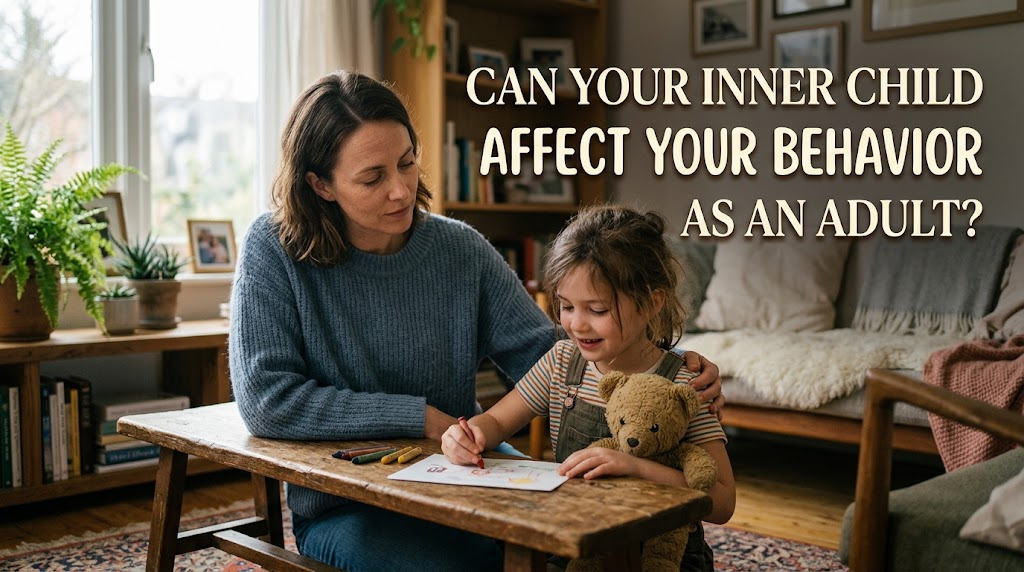
The inner child is a psychological concept commonly used to describe childhood experiences, emotions, memories, and needs that may remain meaningful later in life. Some people use this concept to understand why certain habits or reactions appear repeatedly during adulthood. However, the inner child is not a medical diagnosis, and childhood experiences are only one of many factors that can influence adult behavior.
People continue to develop through relationships, education, social environments, personal choices, and experiences throughout life. As a result, childhood experiences do not permanently determine how someone behaves as an adult. Understanding the inner child can simply provide another perspective for developing self awareness and recognizing patterns that may be useful to change.
CHILDHOOD EXPERIENCES AND ADULT BEHAVIOR
Children learn many behaviors by observing the people around them and responding to their environment. Experiences with family, teachers, friends, and other important people can contribute to early ideas about communication, trust, responsibility, and relationships. These experiences may sometimes influence habits that continue into later stages of life.
For example, someone who learned to avoid conflict may continue using avoidance when facing disagreements as an adult. However, this behavior can also be influenced by personality and later experiences. Recognizing possible connections with childhood can encourage self reflection without assuming that the past is the only explanation.
EXAMPLES OF BEHAVIOR PATTERNS THAT MAY BE NOTICED
Certain recurring behaviors may encourage people to reflect on their earlier experiences. These can include frequently seeking reassurance, avoiding difficult conversations, worrying excessively about mistakes, or having difficulty expressing personal needs. Such behaviors do not automatically indicate a wounded inner child because they can have many different causes.
The important point is to notice whether a behavior repeatedly creates difficulties in daily life or relationships. Paying attention to situations that trigger a particular response can help identify patterns. This kind of self awareness allows people to consider whether a behavior is still useful in their current circumstances.
THE INNER CHILD AND EMOTIONAL RESPONSES
Adult behavior is often connected to emotional responses. Certain situations may create strong feelings such as fear, frustration, disappointment, or insecurity. In some cases, these reactions may remind someone of earlier experiences, although current stress and other factors can produce similar responses.
Developing emotional awareness can help people understand what they are experiencing before they act on it. Instead of immediately reacting, a person can pause, identify the emotion, and consider what response would be appropriate. This approach can help separate an emotional reaction from the decision about how to behave.
BEHAVIOR CAN CHANGE THROUGH NEW EXPERIENCES
Even when childhood experiences have influenced certain patterns, adult behavior is not fixed. People can learn new skills, develop healthier habits, and gain different perspectives through education and relationships. Repeated positive experiences can also provide opportunities to practice new ways of responding to challenges.
Changing a behavior usually takes time and consistent practice. A person can begin by identifying one pattern and considering a healthier alternative. This process supports personal growth and demonstrates that past experiences do not have to define every future decision.
HOW TO UNDERSTAND THE INNER CHILD IN A HEALTHY WAY?
The inner child can be a useful concept when it encourages curiosity rather than self-blame. People can reflect on childhood experiences while also considering current circumstances, relationships, and other factors that influence their behavior. There is no need to force memories or create explanations without sufficient information.
If certain emotional or behavioral difficulties become persistent or interfere with everyday activities, talking with a trusted adult or qualified mental health professional can be appropriate. Professional support can help a person explore their experiences in a balanced way. The main goal is to develop greater self understanding and healthier responses in the present.
CONCLUSION
The inner child may affect adult behavior by providing a way to understand how childhood experiences could relate to certain emotional and behavioral patterns. Examples may include avoiding conflict, seeking reassurance, worrying about mistakes, or struggling to express personal needs. However, these behaviors can have many causes, and childhood experiences do not completely determine adult behavior.
People can continue to change through new experiences, supportive relationships, learning, and personal growth. Understanding possible childhood influences can provide useful insight, but it is equally important to focus on present circumstances and choices. With self awareness and healthy reflection, people can develop more appropriate ways of responding to everyday situations.
About the Author
Gusti Ayu Tita P
Author — STEKOM University
An active author focused on academic issues, educational technology, and human resource development in the campus environment.















