
Career Paths in the Digital Era and Expanding Opportunities
Gusti Ayu Tita P
8 Oktober 2026
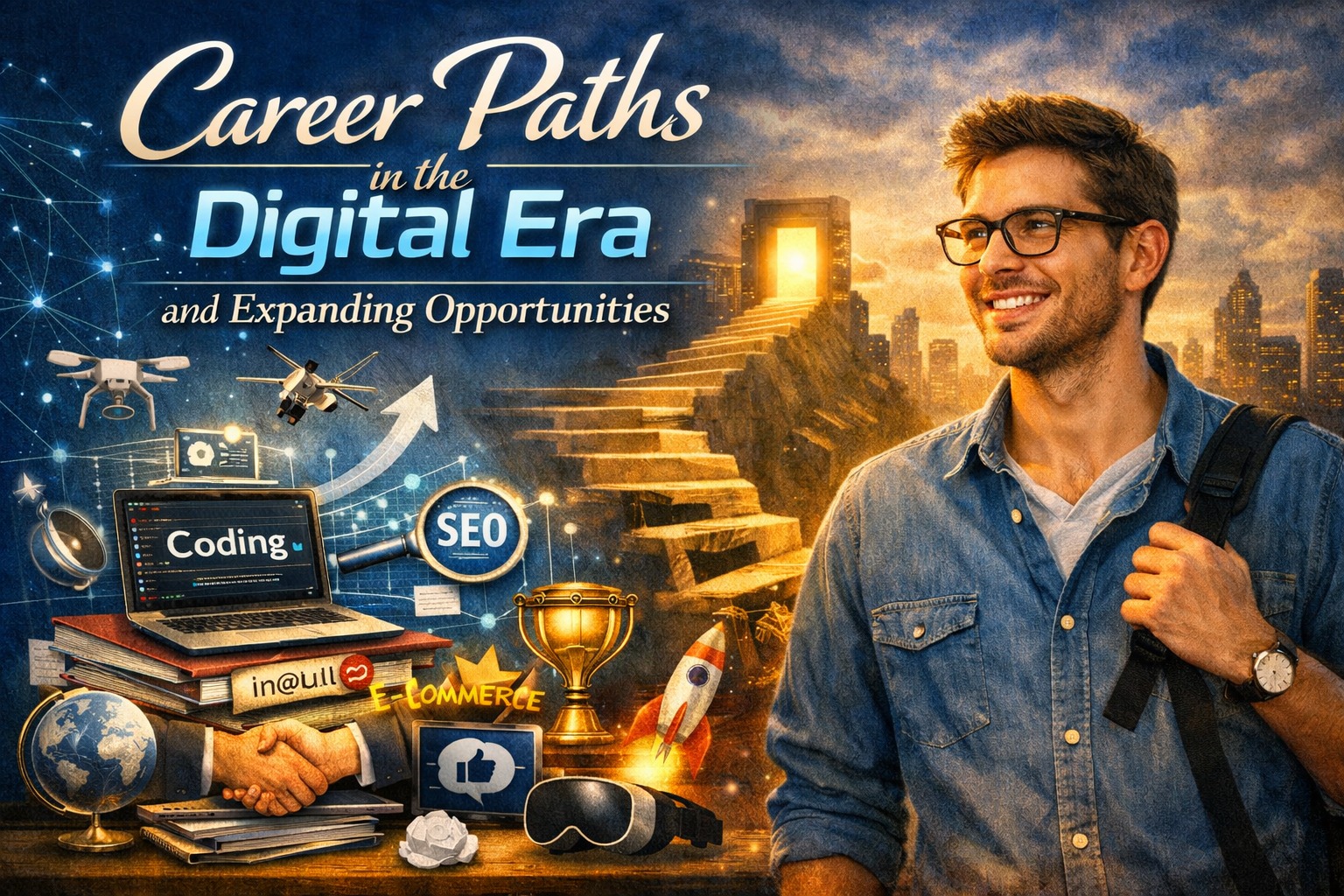
The rapid advancement of digital technology has transformed the global job market. Today, individuals have access to a wider range of career opportunities than ever before. The growth of the internet, automation, artificial intelligence, and digital platforms has created new professions while reshaping traditional jobs. As businesses continue to embrace digital transformation, the demand for skilled professionals keeps increasing. Understanding modern career paths is essential for anyone who wants to succeed in the digital era.
THE IMPACT OF DIGITAL TRANSFORMATION ON CAREERS
Digital transformation has changed the way organizations operate and hire employees. Companies now rely heavily on technology to improve productivity, customer service, and business performance. As a result, many traditional roles have evolved to include digital skills and technological knowledge.
In addition, businesses seek professionals who can adapt quickly to changing technologies. Employees who understand data analysis, digital communication, and online collaboration often have greater career advantages. This shift encourages workers to continuously learn and upgrade their skills to remain competitive in the job market.
EMERGING CAREER PATHS IN THE DIGITAL ERA
The digital era has introduced various new professions that were uncommon just a few years ago. Careers such as Data Analyst, Digital Marketer, Cybersecurity Specialist, Software Developer, and Artificial Intelligence Engineer are now highly sought after. These roles help organizations manage data, protect information, and develop innovative digital solutions.
Furthermore, the rise of content creation and social media has created opportunities for Content Creators, Social Media Managers, and Digital Influencers. These careers allow individuals to build personal brands and generate income through digital platforms. As technology continues to evolve, new job categories are expected to emerge in the future.
THE IMPORTANCE OF DIGITAL SKILLS
Possessing strong digital skills has become a major advantage in modern workplaces. Employers value candidates who can effectively use digital tools, communication platforms, and productivity software. Technical knowledge combined with problem-solving abilities often leads to better career prospects.
Beyond technical expertise, professionals must also develop critical thinking, creativity, and adaptability. The ability to learn new technologies quickly is increasingly important as industries continue to innovate. Continuous learning helps individuals remain relevant and prepared for future career challenges.
REMOTE WORK AND GLOBAL OPPORTUNITIES
One of the most significant developments in the digital era is the growth of remote work. Technology enables professionals to collaborate with teams and clients from different countries without being physically present in an office. This flexibility has expanded employment opportunities beyond local markets.
Remote work also allows companies to recruit talent from around the world. As a result, skilled individuals can access international projects and higher-income opportunities. The global workforce has become more connected, creating greater possibilities for career growth and professional development.
CHALLENGES IN THE DIGITAL JOB MARKET
Although digital careers offer many benefits, they also present several challenges. Rapid technological changes require workers to continually update their knowledge and skills. Those who fail to adapt may struggle to remain competitive in the evolving job market.
Another challenge is the increasing importance of cybersecurity and data privacy. Professionals must understand how to protect sensitive information and use technology responsibly. Maintaining a balance between technical expertise and ethical practices is essential for long-term career success.
STRATEGIES FOR BUILDING A SUCCESSFUL DIGITAL CAREER
Building a successful career in the digital era requires a commitment to lifelong learning. Individuals should invest in online courses, certifications, and practical experience to strengthen their expertise. Developing a strong professional network can also create valuable career opportunities.
Additionally, creating an online portfolio and maintaining a professional digital presence can enhance credibility. Employers often evaluate candidates based on their skills, projects, and online profiles. By continuously improving their abilities and staying informed about industry trends, professionals can achieve sustainable career growth.
CONCLUSION
The digital era has opened countless career opportunities across various industries. From technology and marketing to content creation and remote work, professionals now have more options than ever before. Success in this environment depends on developing relevant digital skills, embracing continuous learning, and adapting to technological change. With the right preparation, individuals can take advantage of expanding opportunities and build rewarding careers in the modern digital world.
About the Author
Gusti Ayu Tita P
Author — STEKOM University
An active author focused on academic issues, educational technology, and human resource development in the campus environment.