Career Tips For Staying Successful With Slow Living Principles
Gusti Ayu Tita P
24 September 2026
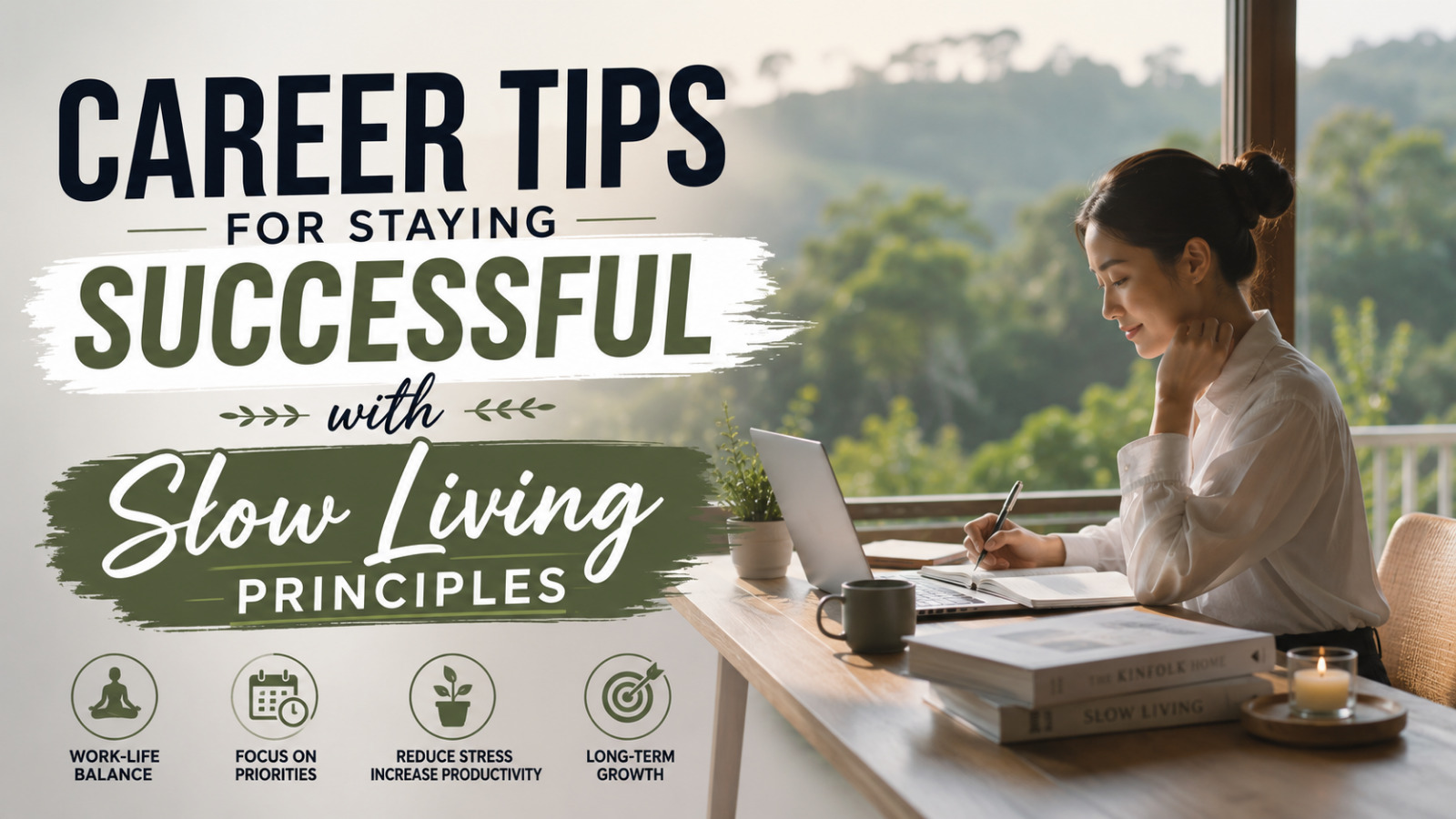
In today's fast-paced professional world, many people believe that working longer hours and staying constantly busy are the only ways to achieve success. However, this mindset often leads to stress, burnout, and reduced productivity over time. Slow living offers a different perspective by encouraging individuals to focus on balance, purpose, and sustainable personal growth while maintaining career success.
Applying Slow Living principles does not mean becoming less ambitious. Instead, it means making thoughtful decisions, prioritizing meaningful work, and maintaining physical and mental well-being. By embracing this approach, professionals can improve their performance, enjoy greater job satisfaction, and build long-term career success.
WHAT IS SLOW LIVING?
Slow Living is a lifestyle that encourages people to live intentionally rather than rushing through every aspect of life. It focuses on making mindful decisions, reducing unnecessary stress, and giving full attention to important tasks. Instead of measuring success by constant busyness, slow living values quality, consistency, and personal well-being.
In a professional setting, Slow Living helps employees manage workloads more effectively and maintain healthy work habits. It encourages individuals to avoid multitasking excessively and to focus on completing one important task at a time. This approach often results in better performance and higher job satisfaction.
WHY SLOW LIVING SUPPORTS CAREER SUCCESS?
Many successful professionals understand that long-term achievements require sustainable habits rather than constant pressure. Following Slow Living principles helps reduce mental fatigue while improving creativity, concentration, and decision-making. Employees who maintain balance are often more productive and resilient during challenging situations.
Organizations also benefit when their employees adopt healthier work habits. Professionals with a balanced lifestyle tend to communicate better, solve problems more effectively, and maintain positive relationships with colleagues. As a result, both career growth and organizational performance improve.
PRACTICAL CAREER TIPS FOR APPLYING SLOW LIVING
One effective strategy is to prioritize meaningful work instead of trying to complete every task immediately. Focus on assignments that provide the greatest value and organize daily schedules based on clear priorities. This reduces unnecessary stress while improving work quality.
Another important habit is to create healthy boundaries between professional and personal life. Taking regular breaks, avoiding excessive overtime, and allowing time for family, hobbies, and rest help maintain long-term motivation. Consistent balance supports sustainable career development.
BUILD STRONG PRODUCTIVITY WITHOUT BURNOUT
Healthy Productivity comes from working efficiently rather than working continuously. Setting realistic daily goals allows professionals to stay focused without becoming overwhelmed. Small but consistent progress often produces better long-term results than rushing through large workloads.
Learning to say no to unnecessary commitments is equally valuable. Accepting too many responsibilities can reduce overall performance and increase stress levels. Protecting personal energy enables professionals to deliver higher-quality work consistently.
DEVELOP A POSITIVE MINDSET FOR LONG TERM SUCCESS
A positive mindset plays an essential role in applying Slow Living principles. Instead of comparing yourself with others, focus on personal improvement and continuous learning. Every career journey develops at its own pace, and sustainable progress is often more valuable than rapid success.
Practicing gratitude, celebrating small achievements, and learning from setbacks strengthen emotional resilience. These habits improve confidence while helping professionals remain motivated during career challenges.
CREATE A HEALTHY WORK LIFE BALANCE
Maintaining Work Balance is one of the most important aspects of slow living. Professionals should schedule time for exercise, quality sleep, healthy meals, and meaningful relationships. These daily habits improve physical health while supporting mental clarity.
Digital boundaries are also important. Limiting unnecessary notifications and reducing screen time outside working hours allow individuals to recharge more effectively. Better recovery leads to improved focus and stronger workplace performance.
CONTINUE LEARNING WITHOUT FEELING OVERWHELMED
Career growth requires continuous learning, but it should happen at a manageable pace. Instead of trying to master every new skill at once, focus on developing one valuable competency before moving to another. This method improves understanding and prevents burnout.
Reading books, attending professional workshops, completing online courses, and seeking mentorship are practical ways to expand knowledge. Consistent learning supports both career advancement and personal confidence.
CONCLUSION
Applying Slow Living principles does not reduce ambition or career success. Instead, it encourages professionals to work with greater purpose, maintain healthy productivity, and build sustainable habits that support long-term growth. By focusing on quality over speed, individuals can reduce stress while improving both personal well-being and professional performance.
Professionals who embrace Slow Living often experience stronger Work Balance, better Career Success, healthier Mindset Growth, and more consistent Healthy Productivity. In today's demanding workplace, slowing down with intention may become one of the smartest strategies for achieving lasting success.
About the Author
Gusti Ayu Tita P
Author — STEKOM University
An active author focused on academic issues, educational technology, and human resource development in the campus environment.