
Causes of Seasickness and How to Prevent It During a Journey
Gusti Ayu Tita P
11 Agustus 2026
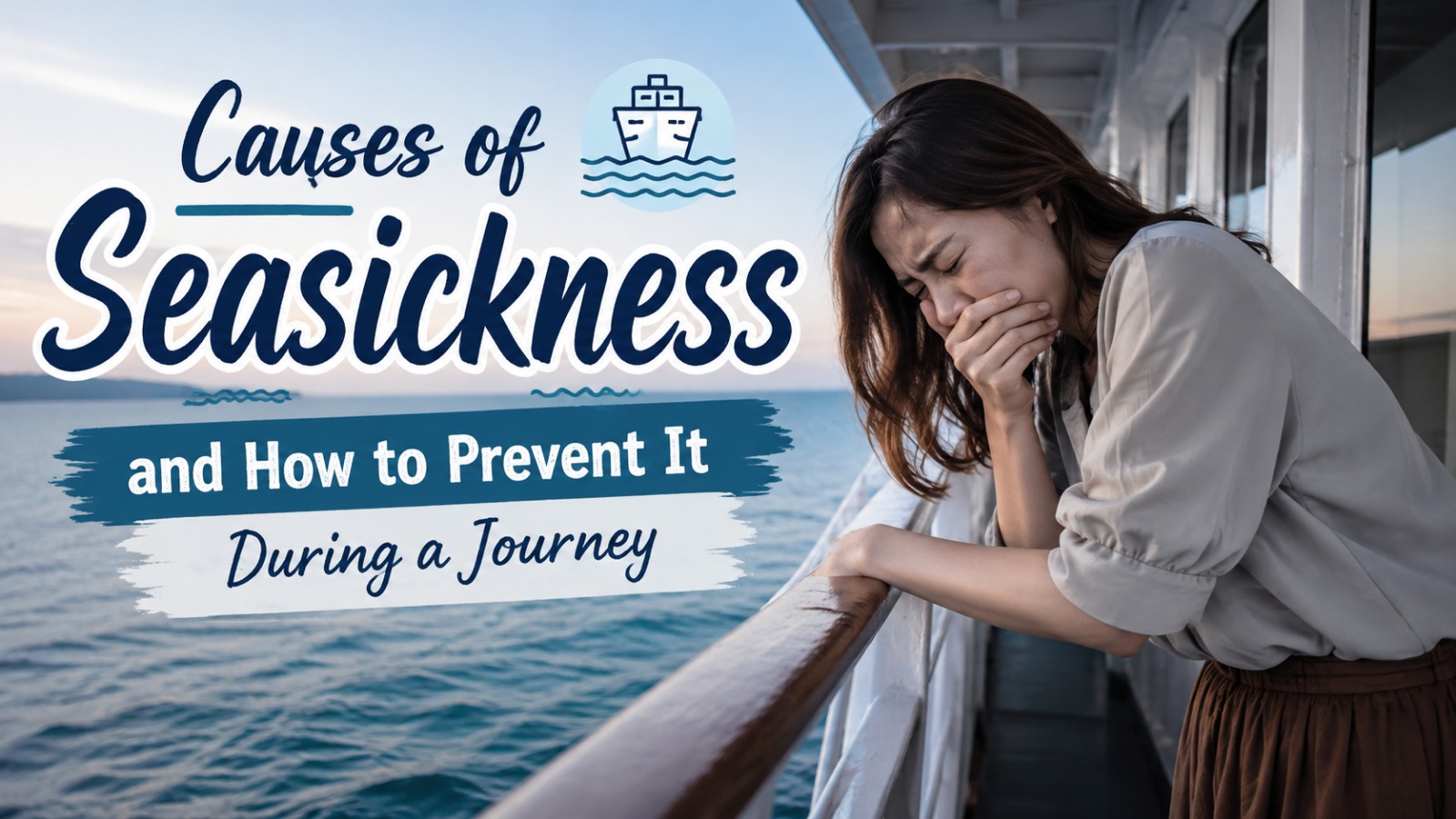
Causes of Seasickness and How to Prevent It During a Journey
Traveling by ship can be an enjoyable experience, especially when passengers have the opportunity to see the open sea and enjoy the journey. However, some people experience seasickness, which can make a trip uncomfortable. Seasickness happens when the brain receives different signals from the eyes, inner ears, and other parts of the body. Understanding its causes and prevention methods can help passengers prepare for a more comfortable ship journey.
WHAT CAUSES SEASICKNESS?
Seasickness is mainly caused by repeated ship movement, such as rocking, rolling, and pitching on the water. The inner ear detects these movements and sends signals to the brain to maintain balance. At the same time, the eyes may see a relatively stable environment inside the ship. This difference between visual and balance signals can confuse the brain and trigger symptoms of seasickness.
Common symptoms include nausea, dizziness, vomiting, headache, sweating, and tiredness. Some passengers may experience mild discomfort, while others can feel significantly ill during rough sea conditions. Seasickness can affect anyone, although people who are more sensitive to motion may experience it more easily.
FACTORS THAT CAN INCREASE SEASICKNESS
Several conditions can increase the risk of experiencing seasickness during a sea journey. Rough waves and strong winds can create greater ship movement, making passengers more likely to feel uncomfortable. Staying in areas where the movement is stronger, such as the front or rear sections of some ships, can also make symptoms worse. Lack of sleep, stress, anxiety, and an empty or overly full stomach may contribute to discomfort.
Passengers should also be careful with activities that require constant reading or looking at a screen. Reading while the ship is moving can increase the conflict between what the eyes see and what the inner ear senses. Fresh air, proper rest, and looking toward the horizon may help reduce discomfort for some travelers.
HOW TO PREVENT SEASICKNESS BEFORE TRAVEL
Preparation before a ship trip can help reduce the possibility of seasickness. Passengers should get enough sleep before departure and eat a light meal instead of consuming very heavy or greasy food. Drinking enough water is also important because dehydration can make passengers feel weaker. It is also useful to choose a seat or cabin in an area with less movement.
Some travelers may consider motion sickness medication after consulting a doctor or pharmacist. These medicines can have side effects, including drowsiness, so passengers should understand how they work before taking them. People with existing medical conditions or those taking other medicines should seek professional advice before using any medication.
WHAT TO DO WHEN SEASICKNESS STARTS
If seasickness begins during a journey, passengers should try to stay calm and move to a comfortable location. Looking at the horizon can help the brain receive more consistent visual information about movement. Sitting or lying down while keeping the head as still as possible may also reduce symptoms. Getting fresh air and avoiding strong smells can make the situation more comfortable.
Passengers should avoid reading, using mobile phones for long periods, or staring at objects inside the ship. Small amounts of water can be consumed regularly to prevent dehydration, especially after vomiting. If symptoms become severe or do not improve, passengers should contact the ship crew or medical staff for assistance.
CONCLUSION
Seasickness is a common problem that can occur when the body reacts to repeated ship movement and conflicting signals between the eyes and inner ear. Rough weather, fatigue, stress, and certain activities can increase the risk of symptoms. Fortunately, passengers can take several steps to reduce discomfort, such as getting enough rest, eating light meals, choosing a suitable location, and looking toward the horizon. With proper preparation and awareness, travelers can enjoy a safer and more comfortable ship journey.
About the Author
Gusti Ayu Tita P
Author — STEKOM University
An active author focused on academic issues, educational technology, and human resource development in the campus environment.















