
Challenges Faced by Gen Z in the Modern Workplace
Gusti Ayu Tita P
11 Agustus 2026
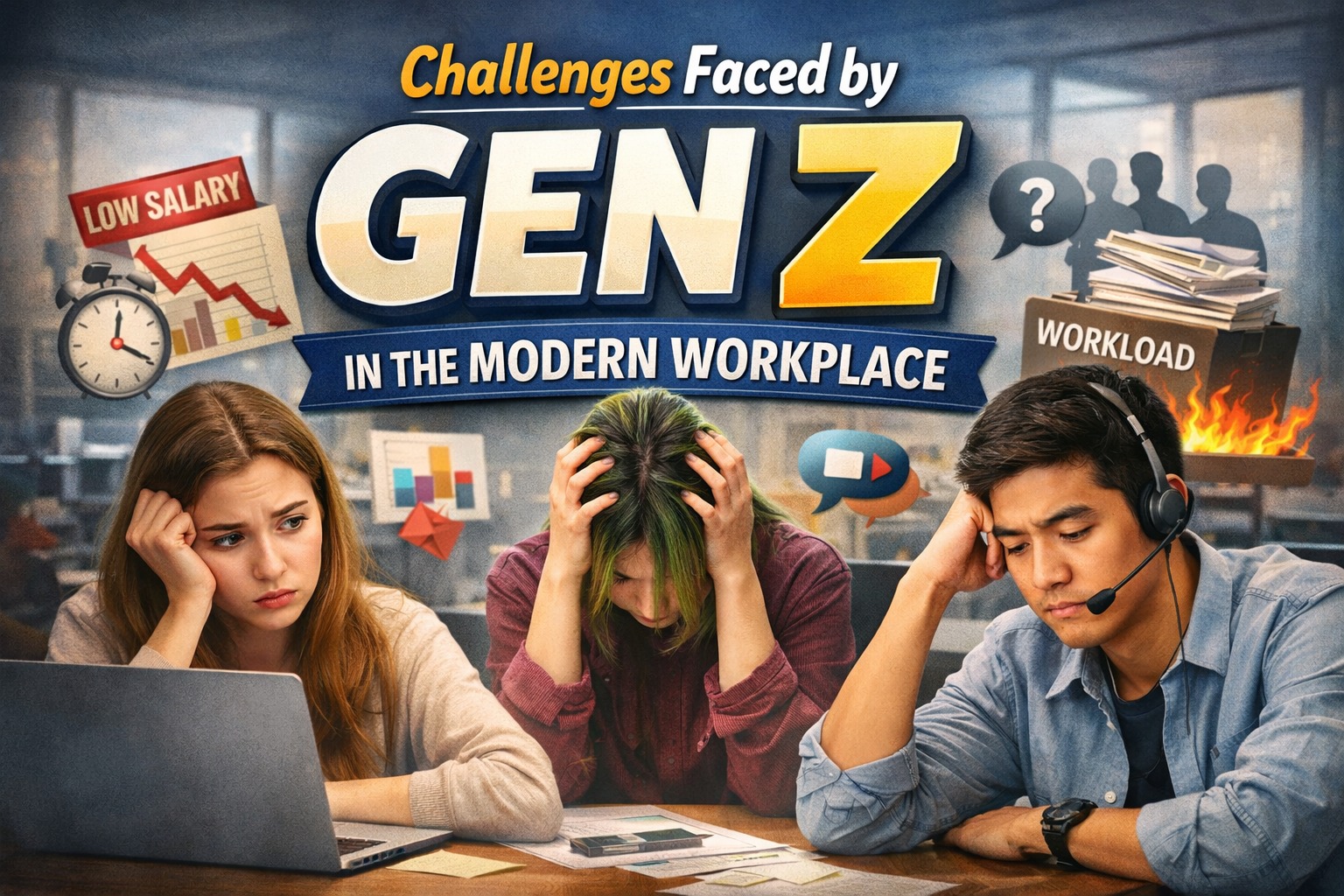
The modern workplace is changing rapidly because of technology, digital communication, and new work systems. Generation Z, often called Gen Z, is the newest generation entering the workforce, bringing fresh ideas, creativity, and strong digital skills. However, despite their strengths, many young employees also face several challenges when adapting to professional environments. Different expectations, workplace pressure, and communication gaps often make the transition difficult for them.
Understanding the challenges faced by Gen Z in the workplace is important for both employees and companies. Businesses that support young workers can build stronger teams and improve productivity. At the same time, Gen Z employees must learn how to adapt, communicate effectively, and grow professionally. This article explains the most common workplace challenges experienced by Gen Z and how they can overcome them successfully.
ADAPTING TO PROFESSIONAL WORK CULTURE
One of the biggest challenges for Gen Z is adapting to a professional work culture. Many young employees enter the workforce with expectations of flexibility, freedom, and fast career growth. However, traditional workplaces often have strict rules, formal communication styles, and structured systems that may feel difficult for them. This difference can create confusion and frustration during the early stages of employment.
In addition, Gen Z workers are used to fast digital interactions through social media and messaging platforms. In professional environments, communication usually requires more patience, professionalism, and clear responsibility. Learning workplace etiquette, respecting deadlines, and understanding company culture are important skills that Gen Z employees need to develop to succeed in their careers.
DEALING WITH WORKPLACE STRESS AND MENTAL PRESSURE
Mental health and workplace stress are major concerns for many Gen Z workers. High workloads, performance expectations, and job insecurity can create pressure that affects emotional well-being. Many young employees also compare themselves to others on social media, leading to feelings of anxiety and low confidence in their professional abilities.
Another challenge is maintaining a healthy work-life balance. Remote work and digital communication sometimes make employees feel connected to work all the time. As a result, Gen Z workers may experience burnout more quickly than previous generations. Companies that provide mental health support, flexible schedules, and positive work environments can help reduce stress and improve employee satisfaction.
COMMUNICATION GAPS BETWEEN GENERATIONS
Modern workplaces often include employees from different generations working together. Gen Z employees may work alongside Millennials, Generation X, and Baby Boomers, each with different communication styles and work habits. This generational difference can sometimes lead to misunderstandings, conflicts, or difficulty building teamwork.
For example, older employees may prefer face-to-face discussions or formal emails, while Gen Z workers are more comfortable using instant messaging and digital platforms. Strong communication skills are necessary to bridge this gap and improve collaboration. By learning to respect different perspectives and communication methods, Gen Z employees can build better professional relationships in the workplace.
PRESSURE TO CONTINUOUSLY IMPROVE SKILLS
Technology continues to evolve rapidly, creating constant pressure for Gen Z workers to improve their skills. Employers now expect workers to understand digital tools, data systems, artificial intelligence, and modern communication platforms. Even though Gen Z is considered technologically skilled, they still need continuous learning to stay competitive in the job market.
Many young professionals also feel pressure to achieve success quickly. They often see stories of successful entrepreneurs or influencers online and expect immediate career growth. However, professional development usually requires time, patience, and experience. Continuous learning, training programs, and practical experience are essential for long-term career success.
DIFFICULTIES IN BUILDING LONG TERM CAREERS
Another challenge faced by Gen Z is uncertainty about long-term career paths. Economic changes, automation, and industry competition make job stability less predictable than before. Many young workers frequently change jobs in search of better salaries, flexible schedules, or healthier work environments.
While changing jobs can provide new opportunities, it may also create challenges in building stable career growth. Employers sometimes prefer candidates with consistent work experience and strong commitment. Therefore, Gen Z employees should focus on building professional skills, networking, and career planning to achieve long-term success in the modern workplace.
CONCLUSION
Gen Z brings creativity, innovation, and digital expertise into the modern workplace. However, they also face challenges related to work culture, mental health, communication, skill development, and career stability. These challenges are not impossible to overcome, but they require effort from both employees and employers.
Companies that create supportive environments can help Gen Z workers grow professionally and personally. At the same time, young employees must continue improving their communication, adaptability, and professional mindset. By working together, businesses and Gen Z employees can build a healthier, more productive, and future-ready workplace.
About the Author
Gusti Ayu Tita P
Author — STEKOM University
An active author focused on academic issues, educational technology, and human resource development in the campus environment.















