
Challenges Faced By HR Managers In Managing Modern Human Resources
Gusti Ayu Tita P
24 Juli 2026
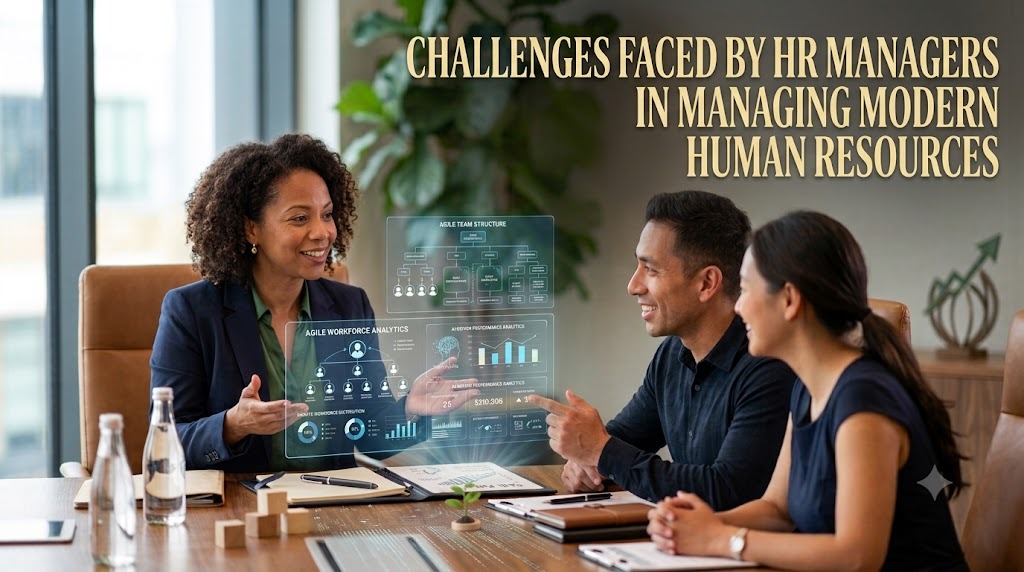
Managing people has become more complex than ever in today's rapidly evolving business environment. Technological innovation, changing employee expectations, remote work, and increasing competition have transformed the way organizations manage their workforce. As a result, HR Managers must adapt to new responsibilities while ensuring that employees remain productive, engaged, and aligned with organizational goals. Their role has expanded from administrative management to strategic leadership.
Modern businesses rely on HR Managers to balance employee needs with organizational objectives. This responsibility requires strong leadership, digital knowledge, communication skills, and strategic thinking. Successfully overcoming these challenges allows organizations to build resilient teams and achieve sustainable business growth.
ADAPTING TO RAPID TECHNOLOGICAL CHANGES
One of the biggest challenges for HR Managers is keeping pace with continuous technological advancements. Organizations increasingly rely on HR technology, automation, artificial intelligence, and digital platforms to improve efficiency and decision-making. HR Managers must understand these tools while ensuring employees can successfully adapt to new systems.
Technology also changes recruitment, performance management, training, and communication processes. HR Managers must continuously update their knowledge to maximize the benefits of digital transformation without reducing the human aspect of workforce management.
ATTRACTING AND RETAINING TOP TALENT
Competition for skilled professionals has become increasingly intense across industries. HR Managers must develop effective talent acquisition strategies to attract qualified candidates while creating an attractive employer brand. Recruiting the right employees has become a strategic priority rather than simply filling open positions.
Retention is equally important as recruitment. HR Managers need to provide career development opportunities, competitive compensation, and a positive work environment to reduce employee turnover and maintain organizational stability.
MANAGING A DIVERSE WORKFORCE
Today's workforce consists of employees from different generations, educational backgrounds, cultures, and professional experiences. HR Managers must create an inclusive workplace where every employee feels respected and valued. Diversity encourages innovation but also requires effective communication and fair management practices.
Managing diverse teams involves promoting equal opportunities and preventing workplace discrimination. HR Managers play a critical role in building a culture that values collaboration and mutual respect.
IMPROVING EMPLOYEE ENGAGEMENT
Maintaining high employee engagement has become more challenging in hybrid and remote work environments. HR Managers need to create meaningful communication, recognize employee achievements, and encourage collaboration regardless of where employees work. Strong engagement directly influences productivity and organizational performance.
Organizations with engaged employees often experience higher retention rates and stronger business outcomes. HR Managers must continuously evaluate engagement strategies to meet changing workforce expectations.
SUPPORTING EMPLOYEE WELL BEING
Employee well-being has become a major priority for modern organizations. HR Managers are responsible for promoting mental health, work-life balance, and healthy workplace practices that reduce stress and improve job satisfaction. Supporting employee wellness helps maintain motivation and long-term productivity.
Beyond wellness programs, HR Managers should foster a supportive organizational culture where employees feel comfortable discussing workplace challenges. A healthy work environment benefits both employees and the organization.
ENSURING LEGAL COMPLIANCE AND ETHICAL STANDARDS
Employment laws and workplace regulations continue to evolve across industries and regions. HR Managers must ensure that recruitment, compensation, employee relations, and workplace policies comply with all applicable legal requirements. Strong compliance practices reduce legal risks and protect organizational reputation.
In addition to legal responsibilities, HR Managers promote ethical leadership, transparency, and fairness throughout the organization. Ethical human resource management strengthens employee trust and corporate credibility.
LEADING ORGANIZATIONAL CHANGE
Businesses frequently experience changes caused by technology, market competition, and customer demands. HR Managers play an important role in helping employees adapt to organizational transformation through effective communication, training, and leadership. Successful change management minimizes resistance and improves employee confidence.
HR Managers also support business leaders by aligning workforce strategies with organizational objectives. Their ability to manage change effectively contributes directly to long-term business success.
CONCLUSION
The challenges faced by HR Managers in managing modern human resources continue to evolve alongside technological and organizational changes. From digital transformation and talent acquisition to employee engagement, diversity, well-being, compliance, and organizational change, HR Managers must balance multiple responsibilities while supporting business growth.
Organizations that invest in skilled HR Managers, innovative HR practices, and employee development will be better prepared to overcome future workforce challenges. Effective human resource management remains one of the most important drivers of organizational success in the modern business world.
About the Author
Gusti Ayu Tita P
Author — STEKOM University
An active author focused on academic issues, educational technology, and human resource development in the campus environment.















