
Challenges of Developing Patriotism in the Digital Era
Gusti Ayu Tita P
4 Agustus 2026
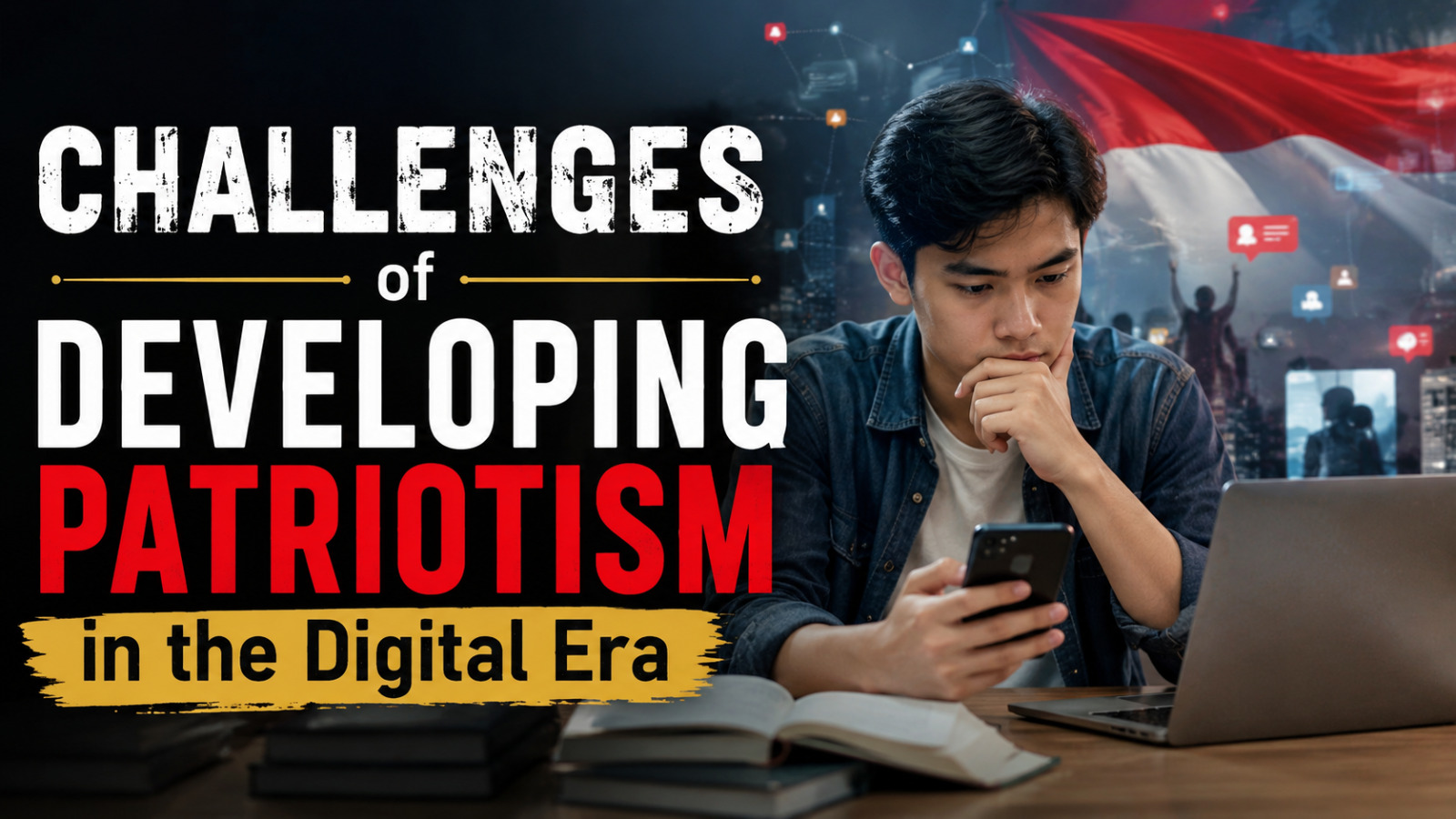
Patriotism remains an essential value in every society, but developing it has become more challenging in the digital era. Rapid technological advancements, social media, and easy access to global information have transformed the way people think, communicate, and interact. While technology provides many educational opportunities, it also exposes individuals to misinformation, negative influences, and content that may weaken their sense of national identity. Young people, in particular, spend a significant amount of time online, making digital platforms an important environment for shaping their values and attitudes. For this reason, governments, schools, families, and communities must work together to strengthen patriotic values while helping citizens use technology responsibly. By understanding these challenges, society can develop effective strategies to preserve patriotism in a modern and interconnected world.
THE INFLUENCE OF GLOBALIZATION AND DIGITAL CULTURE
One of the biggest challenges in developing patriotism is the growing influence of globalization and digital culture. People can easily access information, entertainment, and lifestyles from different countries through the internet. While this encourages cultural exchange and global understanding, it may also reduce appreciation for local traditions and national identity if not balanced properly.
Young people may become more familiar with foreign cultures than their own, leading to a gradual decline in interest in local history, language, and traditions. This does not mean globalization is harmful, but it highlights the importance of preserving cultural identity while embracing international knowledge. A balanced perspective allows individuals to benefit from globalization without losing their patriotic values.
THE SPREAD OF MISINFORMATION AND HATE SPEECH
The digital era has made information easier to access, but it has also increased the spread of misinformation, fake news, and hate speech. False information can create misunderstanding, social conflict, and distrust among citizens. When people share inaccurate content without verification, it can weaken national unity and create unnecessary divisions.
Developing critical thinking and digital literacy is therefore essential. Citizens should learn how to evaluate information from reliable sources before sharing it with others. Responsible online behavior helps protect social harmony and supports the development of a well-informed society.
DECLINING INTEREST IN NATIONAL HISTORY AND CULTURE
Another challenge is the decreasing interest among some young people in learning about national history, cultural heritage, and traditional values. Modern entertainment and digital content often receive more attention than educational materials related to national identity. As a result, many individuals may have limited knowledge of their country's historical achievements and cultural richness.
Schools, families, and cultural institutions can address this issue by making history and culture more engaging through interactive learning, educational technology, and community activities. When young people understand the significance of their national heritage, they are more likely to appreciate and preserve it. Strengthening cultural awareness also reinforces patriotic values.
THE NEED FOR RESPONSIBLE DIGITAL CITIZENSHIP
Modern patriotism includes becoming a responsible digital citizen. Individuals should use technology to promote positive values, educational content, and constructive discussions rather than spreading harmful material. Respectful communication, ethical online behavior, and responsible use of social media all contribute to a healthier digital environment.
Digital citizenship also requires protecting personal privacy, respecting intellectual property, and avoiding cyberbullying or online discrimination. These practices demonstrate responsibility toward both society and the nation. Responsible technology use supports social stability while encouraging innovation and collaboration.
STRENGTHENING PATRIOTISM THROUGH EDUCATION AND COMMUNITY SUPPORT
Although the digital era presents many challenges, it also offers opportunities to strengthen patriotism through education and community involvement. Schools can integrate civic education, digital literacy, and cultural learning into their curricula, while families can encourage meaningful discussions about national values and identity. Community organizations can also organize volunteer activities, cultural festivals, and social programs that promote unity.
Digital platforms themselves can become valuable tools for sharing educational resources, celebrating national achievements, and promoting cultural heritage. When educational institutions, families, and communities work together, they create a supportive environment where patriotic values continue to grow. Collaboration is the key to maintaining patriotism in an increasingly digital society.
CONCLUSION
Developing patriotism in the digital era requires continuous effort from individuals, families, schools, communities, and governments. Challenges such as globalization, misinformation, declining cultural awareness, and irresponsible digital behavior can weaken national identity if they are not addressed effectively. However, these challenges can be overcome through quality education, strong digital literacy, responsible citizenship, and active community participation. By combining modern technology with enduring patriotic values, society can preserve national unity while preparing future generations for global opportunities and responsibilities.
About the Author
Gusti Ayu Tita P
Author — STEKOM University
An active author focused on academic issues, educational technology, and human resource development in the campus environment.















