
Challenges That Firstborn Children May Experience While Growing Up
Gusti Ayu Tita P
7 September 2026
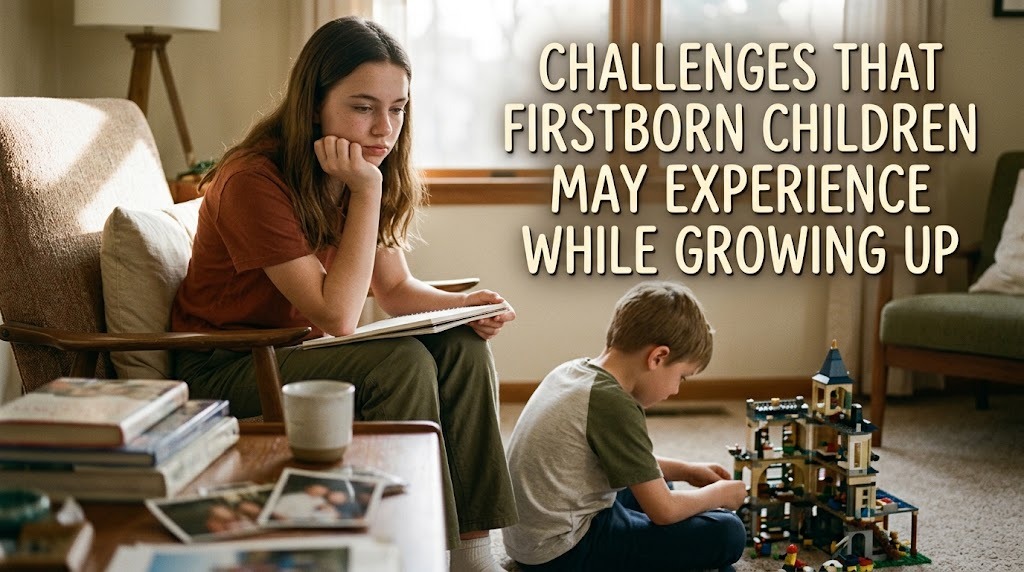
Being the firstborn child in a family can be a meaningful experience, but it can also come with unique challenges. As the oldest sibling, a child may receive more attention, expectations, and responsibilities from parents. These experiences can influence how the child behaves, thinks, and interacts with other family members. Some firstborn children may become confident and responsible, while others may feel pressure to meet high expectations. Understanding these challenges can help parents and families provide better emotional support for their oldest child.
DEALING WITH HIGH FAMILY EXPECTATIONS
One of the common challenges faced by firstborn children is dealing with high family expectations. Parents may expect their oldest child to become a good example for younger siblings. This expectation can encourage positive behavior, but it can also make a child feel that they must always do everything correctly. Academic performance, behavior, and future plans may receive greater attention from parents. Over time, these expectations can create pressure if the child feels unable to meet them.
Firstborn children may also believe that making mistakes will disappoint their parents or younger siblings. This can cause them to become overly focused on achievement and afraid of failure. Parents can reduce this pressure by explaining that mistakes are a normal part of learning and growing. Giving children space to make their own choices can also help them develop confidence. Support should focus on effort and personal growth rather than perfection.
FEELING RESPONSIBLE FOR YOUNGER SIBLINGS
Another challenge is the feeling of being responsible for younger brothers or sisters. Firstborn children are sometimes asked to help with household tasks, supervise younger siblings, or provide guidance. These responsibilities can teach leadership, patience, and independence. However, too much responsibility may make a child feel that they have to act like another parent. Children still need enough time to play, rest, study, and enjoy their own childhood.
The responsibility can become more difficult when younger siblings frequently depend on the oldest child. A firstborn may feel guilty when they cannot help or when something goes wrong. Parents should make it clear that the oldest child is still a child, not a replacement for an adult caregiver. Responsibilities should be appropriate for the child's age and abilities. A healthy balance allows the firstborn to help the family without sacrificing their own needs.
COPING WITH PRESSURE TO BE A ROLE MODEL
Firstborn children are often viewed as role models because they are older and usually experience family milestones first. Younger siblings may copy their habits, communication style, or behavior. While this can encourage positive development, it can also create pressure to always behave perfectly. A firstborn may feel uncomfortable showing weakness, sadness, or uncertainty because they believe others are watching them. This can make it harder for them to express their genuine emotions.
Being a role model does not mean that a firstborn must always have the right answer. Parents can help by showing that being imperfect is normal and that everyone learns through experience. Encouraging open conversations about emotions can make children feel safer when facing difficulties. Younger siblings can also learn valuable lessons by seeing an older sibling make mistakes and recover from them. This creates a healthier understanding of responsibility and personal growth.
EXPERIENCING CHANGES AFTER A NEW SIBLING ARRIVES
The arrival of a younger sibling can create significant emotional changes for a firstborn child. Before the new baby arrives, the oldest child may receive most of the parents' attention. Afterward, parents naturally need to spend more time caring for the baby. This transition can sometimes lead to feelings of jealousy, loneliness, or insecurity. The child may wonder whether they are still equally important to their parents.
Parents can make this transition easier by continuing to provide individual attention to their firstborn. Simple activities such as talking together, reading, or spending time outside can help maintain a strong connection. Parents should also acknowledge the child's emotions instead of immediately telling them to be happy about becoming an older sibling. Emotional validation helps children understand that difficult feelings are acceptable. With consistent support, the firstborn can gradually develop a positive relationship with the new sibling.
STRUGGLING TO BALANCE INDEPENDENCE AND SUPPORT
As children grow older, firstborns may be expected to become independent sooner than their younger siblings. They may be encouraged to solve problems on their own, make responsible decisions, and help others. Developing independence is valuable because it prepares children for school, relationships, and future careers. However, becoming independent does not mean that children no longer need support. A firstborn may sometimes hide their problems because they believe they should be strong.
This situation can make it difficult for parents to recognize when their oldest child needs help. Parents should regularly ask about school, friendships, emotions, and personal concerns without making the conversation feel like an interrogation. Giving children permission to ask for help can strengthen emotional resilience. Firstborn children should understand that seeking support is not a sign of weakness. A healthy balance between independence and guidance allows them to grow without feeling alone.
MANAGING PERSONAL IDENTITY AND FUTURE PRESSURE
Firstborn children may also face challenges when developing their own identity. Because parents may have strong hopes for their first child, the child can sometimes feel pressured to follow a particular educational or career path. Family expectations can become especially difficult when the child's interests are different from what parents imagined. This may lead to confusion about personal goals and difficulty making independent decisions. Every child needs an opportunity to discover their interests and strengths.
Parents can support their firstborn by listening to their opinions and allowing them to explore different possibilities. Guidance is important, but children should not feel that their future has already been decided for them. Encouraging self-confidence and personal responsibility can help firstborn children make thoughtful choices. Their position in the family should not define their entire personality or future. Ultimately, they should be encouraged to become themselves while maintaining healthy relationships with their family.
CONCLUSION
Growing up as a firstborn child can bring many valuable experiences, but it may also involve pressure, responsibility, family expectations, and emotional challenges. The oldest child may be expected to become a role model while also helping younger siblings and meeting parental expectations. These experiences can develop positive qualities such as responsibility, independence, leadership, and patience. However, too much pressure can affect a child's confidence and emotional well-being. Parents should provide support, understanding, and freedom so their firstborn can grow without feeling responsible for everything.
A healthy family environment allows firstborn children to make mistakes, express emotions, and develop their own identity. Being the oldest sibling can influence personal development, but it does not determine who a person will become. With balanced responsibilities and consistent emotional support, firstborn children can turn challenges into valuable life experiences.
About the Author
Gusti Ayu Tita P
Author — STEKOM University
An active author focused on academic issues, educational technology, and human resource development in the campus environment.















