
Changing Audience Preferences For Digital Entertainment Content
Gusti Ayu Tita P
7 Agustus 2026
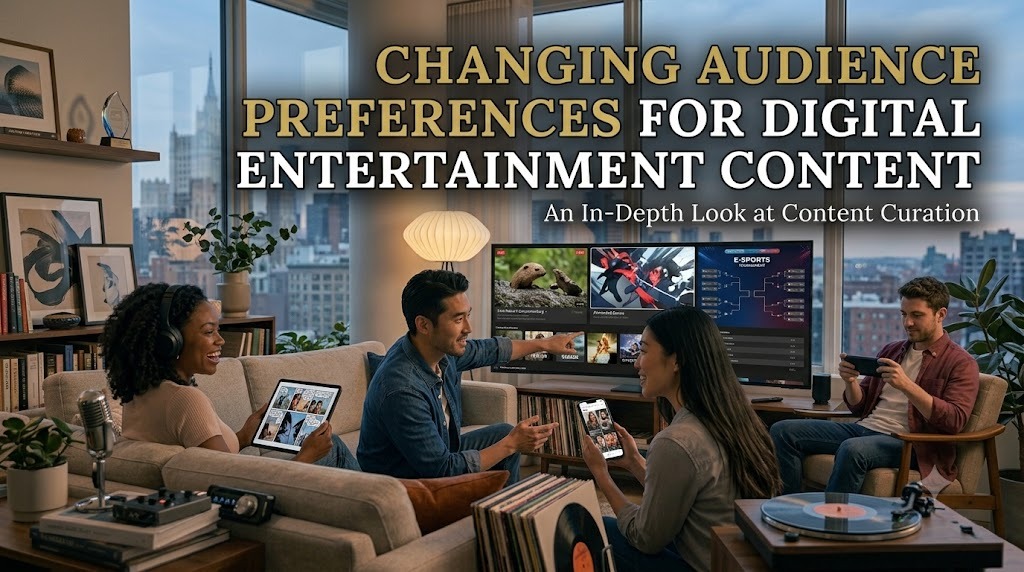
Digital entertainment has changed significantly as technology and online platforms continue to develop. Audiences can now access movies, music, games, podcasts, livestreams, and short videos through various devices. The growing availability of digital content has also changed how people choose and consume entertainment. Audiences are no longer limited to traditional television, radio, or physical media.
These changes have encouraged creators and entertainment companies to understand audience preferences more carefully. People increasingly expect content that is convenient, relevant, engaging, and easy to access. Understanding changing audience preferences is important for creating entertainment that remains competitive in the digital environment.
THE SHIFT TOWARD SHORT FORM CONTENT
One of the most noticeable changes in digital entertainment is the popularity of short form content. Short videos can deliver humor, information, stories, or entertainment within a limited amount of time. Quick and easy to consume content fits the busy routines of many digital users.
Short form content also allows audiences to explore many topics within a short period. Users can quickly move from one video to another based on their interests. However, creators still need to provide meaningful entertainment rather than relying only on short duration. A short format should still have a clear idea and engaging presentation.
DEMAND FOR PERSONALIZED CONTENT
Digital platforms can recommend content based on users' viewing behavior, searches, interests, and interactions. As a result, audiences increasingly encounter entertainment that matches their preferences. Personalized recommendations can make content discovery faster and more convenient.
Audiences may also expect platforms to understand their interests and provide relevant choices. This creates opportunities for creators to reach specific groups rather than trying to appeal to everyone. Understanding niche audiences can help creators develop more targeted entertainment content.
GROWING INTEREST IN INTERACTIVE ENTERTAINMENT
Modern audiences are not always satisfied with simply watching or listening. Interactive formats allow users to comment, vote, participate in challenges, join livestreams, or influence content. Audience participation can create a stronger connection between creators and viewers.
Livestreaming is one example of how entertainment can become more interactive. Viewers can communicate with creators in real time and become part of a shared experience. Two way interaction can make digital entertainment feel more personal and engaging.
PREFERENCE FOR AUTHENTIC CONTENT
Audiences are increasingly exposed to highly polished entertainment, making authenticity an important quality. Behind the scenes videos, personal stories, honest opinions, and natural presentations can feel more relatable. Authentic content can help audiences develop stronger connections with creators.
This does not mean professional production is no longer valuable. Good visuals and sound can still improve the viewing experience. However, excessive perfection may sometimes make content feel less personal. A combination of quality production and genuine personality can create a stronger audience experience.
GREATER IMPORTANCE OF CONVENIENCE
Convenience plays a major role in how audiences consume digital entertainment. People can watch or listen to content whenever and wherever they have access to the internet. On demand access gives audiences greater control over their entertainment choices.
Mobile devices have strengthened this trend because users can carry entertainment with them almost everywhere. Audiences may switch between devices depending on their situation. Easy access and flexible viewing options have become important expectations in digital entertainment.
INTEREST IN DIVERSE ENTERTAINMENT
Digital platforms provide access to entertainment from different countries, cultures, and communities. Audiences can discover music, films, games, and creators that may not have been easily available through traditional media. Greater content diversity allows people to explore new perspectives and forms of entertainment.
This diversity also creates opportunities for creators from different backgrounds. Unique cultural stories and local perspectives can attract audiences beyond their original communities. Digital platforms can help niche content reach wider audiences when it connects with viewers.
THE INFLUENCE OF SOCIAL MEDIA TRENDS
Social media has become an important source of entertainment discovery. Trends, viral videos, memes, music clips, and creator recommendations can influence what audiences choose to watch. Social media can quickly introduce new entertainment content to large groups of users.
Audience preferences can also change rapidly because trends develop at a fast pace. Creators need to monitor relevant developments without losing their own identity. Using trends effectively requires a balance between relevance and originality.
EXPECTATIONS FOR HIGHER CONTENT QUALITY
Although audiences enjoy simple and authentic content, they still expect a comfortable viewing experience. Clear audio, suitable lighting, good editing, and readable visuals can influence how people perceive content. Technical quality can support the overall entertainment experience.
Higher quality does not necessarily require expensive equipment. Creators can improve production through careful planning, basic editing skills, and suitable recording environments. Good storytelling combined with clear production can often be more valuable than expensive technology alone.
THE RISE OF NICHE COMMUNITIES
Digital entertainment has made it easier for audiences with specific interests to find one another. Communities focused on gaming, music, sports, films, hobbies, and other topics can grow through online platforms. Niche communities often value content that directly reflects their interests.
Creators who understand these communities can develop stronger relationships with their audiences. Specialized content may have a smaller audience than mainstream entertainment but can create high levels of engagement. A loyal niche audience can be valuable for long term content development.
THE NEED FOR RESPONSIBLE CONTENT
Changing audience preferences also include greater awareness of content quality and digital responsibility. Audiences may pay attention to misinformation, harmful behavior, privacy issues, and inappropriate material. Creators have a responsibility to consider the potential impact of the content they publish.
Responsible entertainment does not have to be boring. Creators can remain creative while respecting audiences, communities, copyright, and personal privacy. Trust can become an important factor in maintaining long term audience relationships.
CONCLUSION
Audience preferences for digital entertainment continue to change as technology, platforms, and social habits develop. Short form videos, personalized recommendations, interactive experiences, authentic creators, diverse content, and niche communities are influencing how people discover and enjoy entertainment.
Creators need to remain flexible while maintaining a clear creative identity. Understanding audience behavior, improving content quality, following relevant trends, and building genuine relationships can help entertainment remain engaging in a competitive digital environment. The future of digital entertainment will likely depend on how effectively creators respond to changing audience expectations.
About the Author
Gusti Ayu Tita P
Author — STEKOM University
An active author focused on academic issues, educational technology, and human resource development in the campus environment.















