
Common Emergency Fund Mistakes You Should Avoid
Gusti Ayu Tita P
6 Agustus 2026
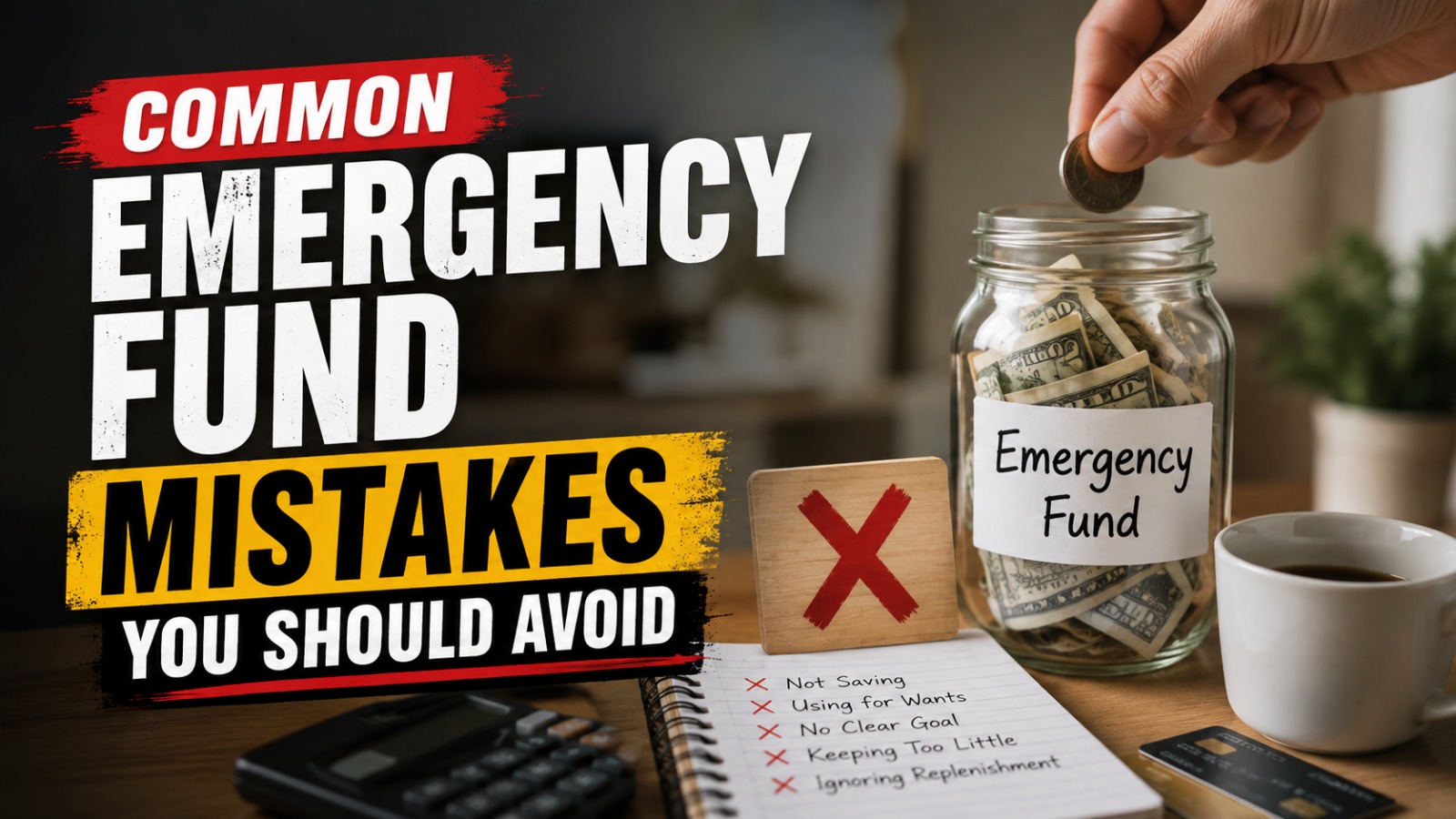
An emergency fund is one of the most important tools for maintaining financial security. Unexpected events such as job loss, medical emergencies, home repairs, or car breakdowns can happen at any time. Without a dedicated financial reserve, these situations may force people to rely on loans or credit cards, leading to additional financial stress.
However, simply having an emergency fund is not enough. Many people make common mistakes that reduce its effectiveness or prevent it from serving its true purpose. Understanding these mistakes and learning how to avoid them will help you build stronger financial stability and prepare for life's unexpected challenges.
WHY AN EMERGENCY FUND IS ESSENTIAL?
An emergency fund acts as a financial safety net during difficult situations. It provides immediate access to cash when unexpected expenses arise, allowing you to handle emergencies without disrupting your long-term financial goals. This financial cushion also reduces the need to borrow money with high interest rates.
In addition, having an emergency fund improves peace of mind. Knowing that you have money set aside for emergencies helps reduce anxiety and allows you to make better financial decisions. Instead of reacting emotionally to financial problems, you can focus on finding practical solutions while keeping your finances under control.
USING YOUR EMERGENCY FUND FOR NON EMERGENCIES
One of the most common mistakes is spending your emergency fund on non-essential purchases. Vacations, shopping, entertainment, or luxury items should never be paid for using money reserved for emergencies. Doing so weakens your financial protection and leaves you vulnerable when a real emergency occurs.
Before withdrawing money, ask yourself whether the expense is truly unexpected and unavoidable. If the answer is no, it is better to leave the emergency fund untouched. Maintaining discipline is essential to preserving its primary purpose as a financial safeguard.
SAVING TOO LITTLE OR NOT SAVING CONSISTENTLY
Many people underestimate the amount of money they need for emergencies. Saving only a small amount without increasing the balance over time may not be enough to cover several months of living expenses. As a result, the emergency fund may run out quickly during a prolonged financial crisis.
Consistency is equally important. Even if you can only save a small amount each month, regular contributions will gradually build a strong financial reserve. Setting up automatic transfers to a separate savings account can make the saving process easier and more consistent.
KEEPING YOUR EMERGENCY FUND IN THE WRONG PLACE
Another common mistake is storing emergency savings in investments that carry significant risk. While stocks or cryptocurrencies may offer higher returns, their value can fluctuate dramatically, making them unsuitable for emergency savings. During a market downturn, you may have less money available exactly when you need it most.
Instead, keep your emergency fund in a safe and easily accessible account, such as a high-yield savings account or another low-risk financial product. The goal is to preserve the value of your money while ensuring quick access whenever an emergency happens.
FORGETTING TO REPLENISH YOUR EMERGENCY FUND
After using part of the emergency fund, many people forget to rebuild it. This leaves them financially exposed if another unexpected event occurs before the fund is restored. Replenishing your savings should become a top financial priority once your situation returns to normal.
Review your financial plan after every emergency and adjust your monthly savings contributions if necessary. Rebuilding the fund as quickly as possible ensures that you remain protected against future financial uncertainties. A well-maintained emergency fund continues to provide long-term financial confidence.
CONCLUSION
Avoiding common emergency fund mistakes is just as important as building the fund itself. Using the money only for genuine emergencies, saving consistently, choosing the right place to store it, and replenishing it after use are essential habits for maintaining strong financial stability.
An emergency fund is more than just extra savings. It is a valuable financial resource that protects you from unexpected expenses, reduces financial stress, and supports long-term financial success. By avoiding these common mistakes, you can enjoy greater confidence and security in any economic situation.
About the Author
Gusti Ayu Tita P
Author — STEKOM University
An active author focused on academic issues, educational technology, and human resource development in the campus environment.















