
Common Financial Literacy Mistakes Beginners Should Avoid
Gusti Ayu Tita P
10 September 2026
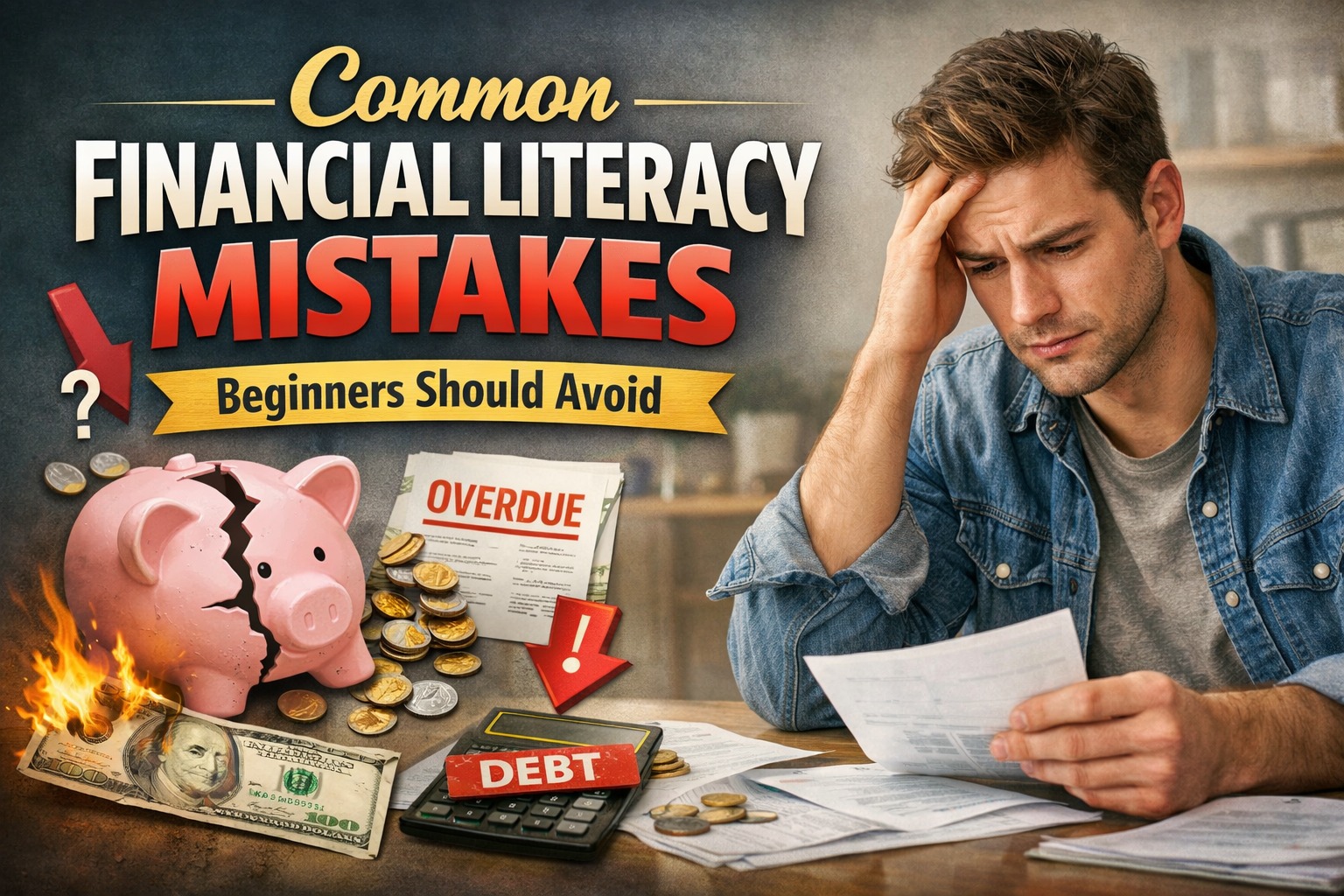
Financial literacy is one of the most valuable skills anyone can develop. It helps people make smarter decisions about earning, saving, spending, investing, and protecting their money. Unfortunately, many beginners start their financial journey with limited knowledge, making mistakes that can delay their long-term financial goals. Understanding these common mistakes is the first step toward building a strong financial foundation and achieving greater financial security.
IGNORING THE IMPORTANCE OF A BUDGET
One of the most common mistakes beginners make is not creating a budget. Without a clear budget, it becomes difficult to understand where money is going each month. Many people assume they have enough income until unexpected expenses reveal poor spending habits. A simple budget allows individuals to track income, monitor expenses, and identify unnecessary purchases.
A well-planned budget also supports better financial discipline. It encourages people to prioritize essential expenses before spending on entertainment or luxury items. Reviewing a budget regularly helps identify areas for improvement and prevents financial problems from growing over time.
SPENDING MORE THAN YOU EARN
Living beyond your means is another serious financial mistake. Many beginners rely heavily on credit cards or personal loans to maintain a lifestyle that exceeds their income. While borrowing may provide temporary convenience, excessive debt can quickly become difficult to manage. High-interest payments reduce the amount of money available for savings and future investments.
Developing the habit of living within your income creates greater financial stability. Before making a purchase, consider whether it is truly necessary or simply an impulse. Delaying unnecessary purchases often results in smarter financial decisions and healthier spending habits.
NEGLECTING AN EMERGENCY FUND
Many beginners underestimate the importance of having an emergency fund. Unexpected situations such as medical expenses, job loss, or vehicle repairs can happen without warning. Without emergency savings, people often rely on debt to solve short-term financial problems.
Building an emergency fund does not require large amounts of money at once. Saving a small percentage of income consistently can gradually create a reliable financial safety net. Financial experts often recommend saving enough to cover three to six months of living expenses for greater security.
STARTING TO INVEST WITHOUT KNOWLEDGE
Investing is an excellent way to grow wealth, but many beginners invest without understanding the risks involved. Following social media trends or copying other investors without research often leads to poor financial decisions. Every investment carries a different level of risk and return, making education essential before investing.
Beginners should learn basic investment concepts, understand different financial products, and identify their personal financial goals. Diversifying investments instead of placing all money into one asset also helps reduce potential losses. Patience and consistent learning are key qualities of successful investors.
FAILING TO SET CLEAR FINANCIAL GOALS
Another common mistake is managing money without clear objectives. People who lack specific goals often struggle to stay motivated to save or invest. Whether the goal is buying a home, paying for education, or preparing for retirement, having a clear purpose makes financial planning more effective.
Financial goals should be realistic, measurable, and achievable within a reasonable timeframe. Dividing long-term goals into smaller milestones makes progress easier to monitor. Celebrating small achievements also helps maintain motivation throughout the financial journey.
OVERLOOKING CONTINUOUS FINANCIAL EDUCATION
Financial literacy is not something people learn only once. Economic conditions, financial products, and investment opportunities continue to evolve over time. Beginners who stop learning may miss valuable opportunities or make costly financial mistakes.
Reading books, attending financial seminars, following trusted financial experts, and staying informed about economic trends all contribute to better financial decision-making. Continuous learning increases financial confidence and helps individuals adapt to changing financial situations more effectively.
CONCLUSION
Avoiding common financial literacy mistakes is essential for building a healthier financial future. Creating a budget, spending wisely, preparing an emergency fund, learning before investing, setting financial goals, and continuously improving financial knowledge all contribute to long-term success. Financial literacy is not about becoming rich overnight but about making smart financial decisions consistently. The earlier these positive habits are developed, the stronger the foundation for lasting financial well-being.
About the Author
Gusti Ayu Tita P
Author — STEKOM University
An active author focused on academic issues, educational technology, and human resource development in the campus environment.