
Common Investment Portfolio Mistakes Every Beginner Should Avoid
Gusti Ayu Tita P
6 Agustus 2026
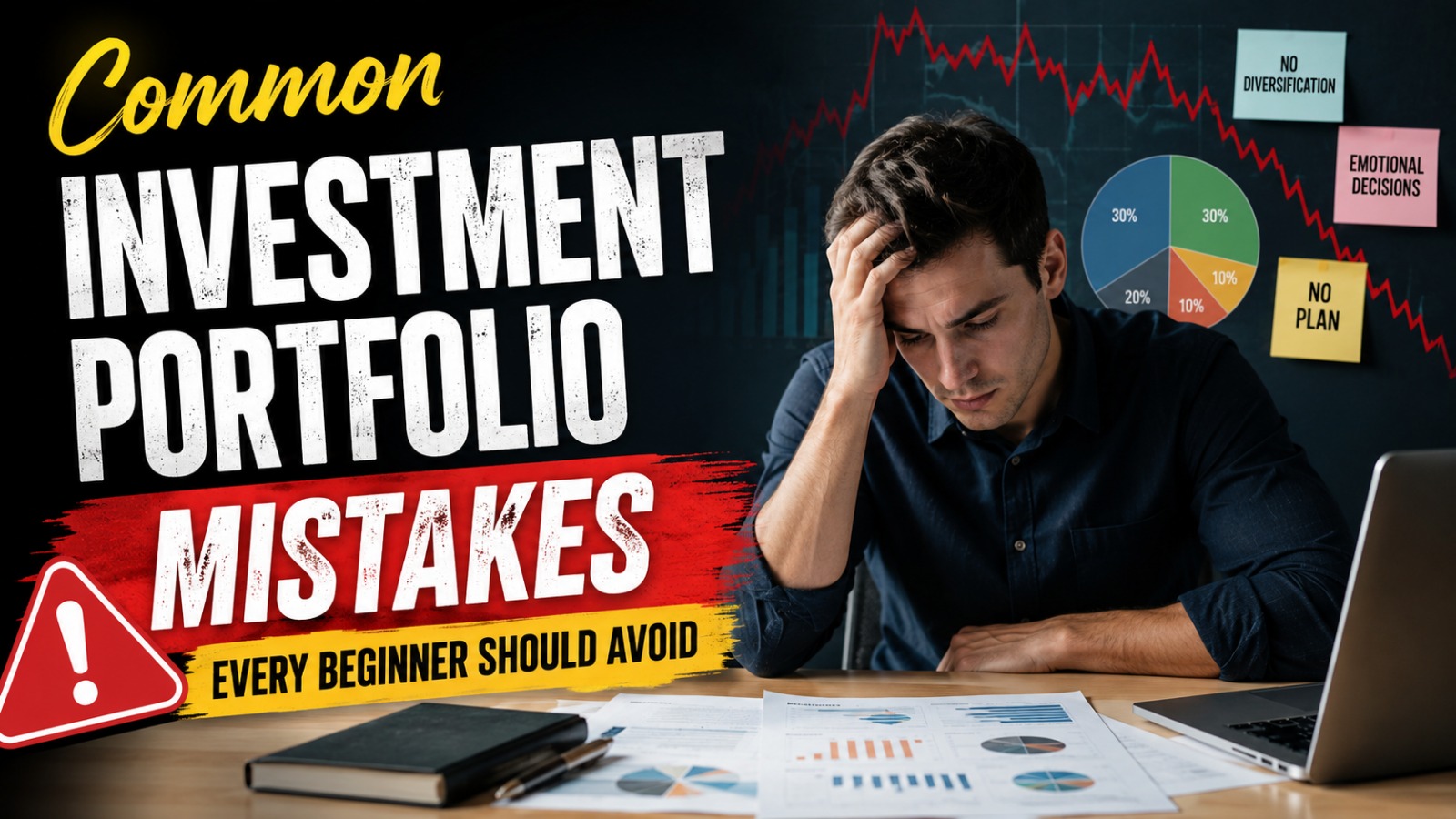
Starting an investment journey can be an exciting step toward achieving financial growth and building future wealth. However, many beginner investors make mistakes because they lack experience, proper planning, or a clear understanding of how the market works. These mistakes can reduce potential returns and increase unnecessary risks.
A successful investor does not only focus on choosing profitable assets but also understands how to manage risks. Learning about common investment portfolio mistakes helps beginners make smarter decisions and create a more stable investment strategy. With the right knowledge, investors can avoid emotional decisions and improve their chances of achieving long-term financial goals.
INVESTING WITHOUT CLEAR FINANCIAL GOALS
One of the biggest mistakes beginners make is investing without defining their financial goals. Many people start investing simply because they see others gaining profits, without understanding what they want to achieve. Without clear goals, it becomes difficult to choose suitable investments and measure success.
A good investment plan should include specific targets, such as saving for retirement, purchasing property, building emergency funds, or creating passive income. Clear goals help determine investment duration, risk level, and asset selection. Investors who understand their objectives are more likely to maintain discipline during market changes.
LACK OF PORTFOLIO DIVERSIFICATION
Ignoring portfolio diversification is another common mistake among new investors. Some beginners place all their money into one asset because they believe it will provide the highest return. However, depending on a single investment can create significant losses if that asset performs poorly.
A balanced portfolio usually includes different asset classes such as stocks, bonds, mutual funds, and other investment instruments. Diversification helps reduce overall risk because different assets may react differently to market conditions. By spreading investments properly, investors can protect their wealth while still pursuing growth opportunities.
FOLLOWING MARKET TRENDS WITHOUT RESEARCH
Many beginner investors make decisions based on market hype, social media recommendations, or popular investment trends. This behavior often leads to buying assets at high prices without understanding their real value. Investing without proper research can increase the possibility of financial losses.
Before choosing an investment, investors should analyze important factors such as company performance, market conditions, and long-term potential. Understanding the fundamentals of an asset creates a stronger foundation for decision-making. Smart investors focus on information and analysis rather than temporary popularity.
IGNORING RISK MANAGEMENT
Every investment carries a certain level of risk, but many beginners underestimate the importance of risk management. Some investors focus only on potential profits while ignoring possible losses. This mindset can create financial pressure and poor investment decisions.
Managing risk involves choosing investments that match personal risk tolerance and financial conditions. Investors should avoid using money needed for daily expenses and should maintain proper financial preparation. A good portfolio balances potential returns with acceptable levels of risk.
MAKING EMOTIONAL INVESTMENT DECISIONS
Emotions often become one of the biggest challenges in investing. Fear during market declines may cause investors to sell too quickly, while excessive confidence during market growth may encourage risky decisions. These emotional reactions can negatively affect long-term investment performance.
Successful investors develop a long-term investment mindset and avoid making decisions based on short-term market movements. Having a clear strategy helps investors remain calm during uncertain situations. Discipline and patience are important qualities for achieving consistent results.
EXPECTING QUICK PROFITS
Many beginners enter the investment market expecting immediate and large returns. This expectation can lead to unrealistic strategies and excessive risk-taking. In reality, successful investing usually requires time, patience, and consistent effort.
The power of compound returns works best when investments are maintained over a long period. Instead of focusing on fast profits, investors should prioritize sustainable growth. Building wealth through investing is a gradual process that requires commitment and proper planning.
NOT REVIEWING AND REBALANCING THE PORTFOLIO
Another mistake beginners often make is ignoring their portfolio after investing. Market movements can change the percentage of each asset in a portfolio, causing the original investment balance to shift. Without regular evaluation, the portfolio may no longer match the investor’s goals and risk level.
Regular portfolio rebalancing helps maintain the desired asset allocation. By reviewing investments periodically, investors can make adjustments based on changing financial goals and market conditions. This habit improves portfolio stability and supports long-term investment success.
CONCLUSION
Avoiding common investment portfolio mistakes is an important step for every beginner investor. Creating clear financial goals, diversifying assets, managing risks, and controlling emotions can significantly improve investment results. Knowledge and discipline are essential foundations for building a successful investment journey.
Investing is not about finding instant wealth but about creating sustainable long-term financial growth. By learning from mistakes and continuously improving investment strategies, beginners can build a stronger portfolio and move closer to financial security.
About the Author
Gusti Ayu Tita P
Author — STEKOM University
An active author focused on academic issues, educational technology, and human resource development in the campus environment.















