
Common Mistakes During Graduation Clearance And How To Avoid Them
Gusti Ayu Tita P
16 September 2026
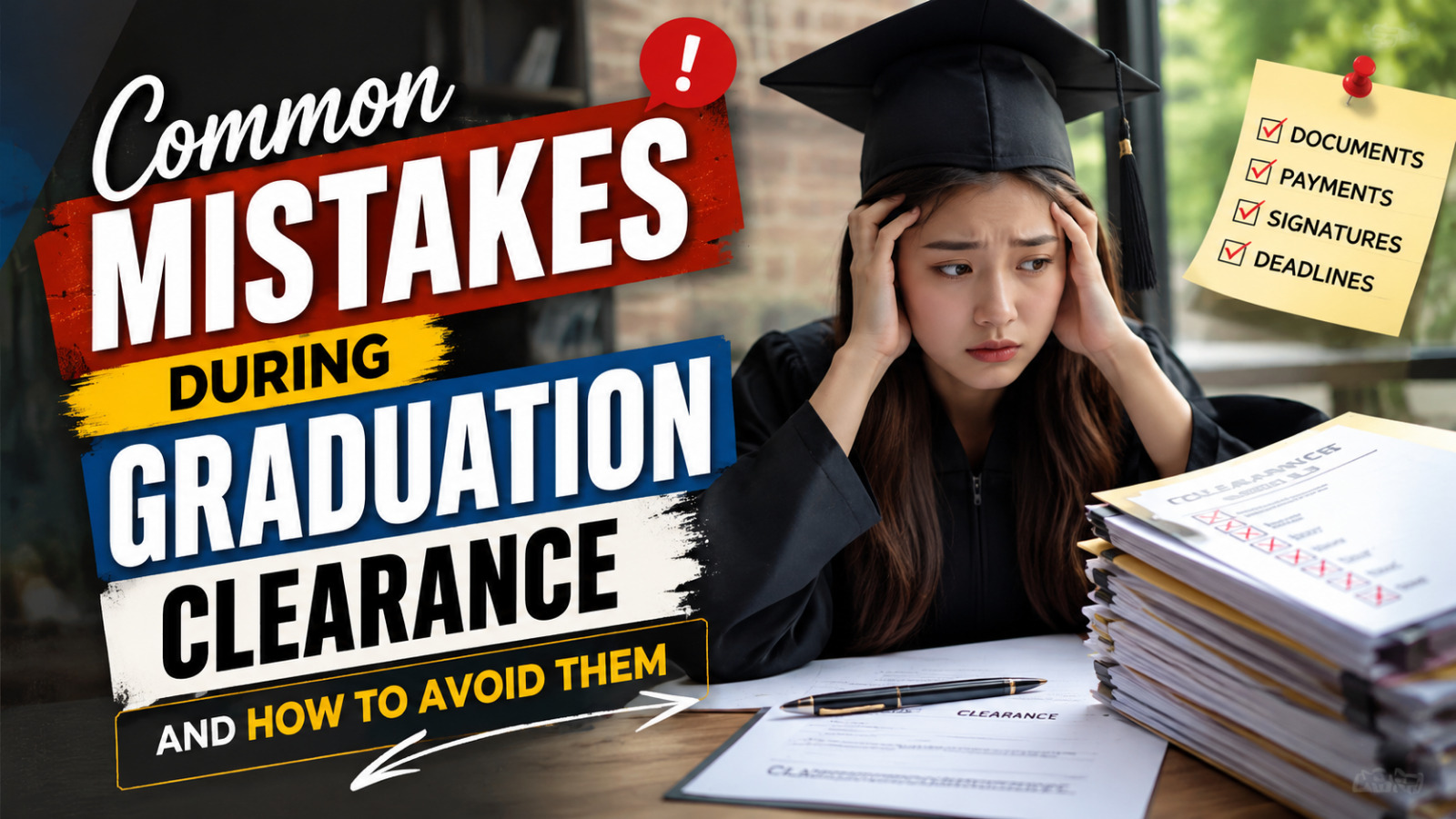
Graduation is an exciting milestone for every student, but before receiving a diploma, students must complete the graduation clearance process. This procedure ensures that all academic, administrative, and financial obligations have been fulfilled. Unfortunately, many students underestimate this stage and make avoidable mistakes that delay their graduation.
Understanding the common errors during graduation clearance can help students prepare better and complete the process smoothly. This article discusses the most frequent mistakes, practical ways to avoid them, and useful tips for ensuring a stress-free graduation clearance.
WHY GRADUATION CLEARANCE IS IMPORTANT
Graduation clearance is the final verification process before a university officially confirms that a student has met all graduation requirements. It involves checking academic records, financial obligations, library responsibilities, and administrative documents. Every university has its own procedures, but the overall objective is the same: ensuring students have completed every mandatory requirement.
Ignoring this process or completing it at the last minute can result in unnecessary delays. Students may miss important deadlines, discover missing documents, or face unexpected administrative issues. Preparing early significantly reduces stress and increases the likelihood of graduating on schedule.
COMMON MISTAKES DURING GRADUATION CLEARANCE
One of the most common mistakes is waiting until the deadline to begin the graduation clearance process. Many students assume the procedure is simple and postpone gathering documents until the final days. Unfortunately, this often leaves insufficient time to resolve unexpected problems.
Another frequent mistake is failing to carefully review the university's graduation requirements. Students sometimes overlook incomplete coursework, unpaid tuition, outstanding library books, missing signatures, or unsubmitted forms. Even one overlooked requirement can delay the entire graduation process.
NOT CHECKING UNIVERSITY DOCUMENTS CAREFULLY
Many students submit university documents without carefully reviewing their accuracy. Incorrect names, student identification numbers, dates of birth, or academic information may require corrections that consume valuable time. Even minor errors can slow administrative processing.
Students should always verify every document before submission. Carefully checking transcripts, identification forms, graduation applications, and supporting documents helps prevent unnecessary revisions and ensures the clearance process proceeds efficiently.
IGNORING FINANCIAL AND LIBRARY OBLIGATIONS
Outstanding financial obligations are among the leading causes of delayed student clearance. Unpaid tuition fees, laboratory charges, dormitory expenses, or other university fees may prevent final approval until they are fully settled.
Similarly, students sometimes forget to return borrowed library books or pay overdue fines. Completing these responsibilities well before the deadline helps eliminate unnecessary complications during graduation clearance.
FAILING TO FOLLOW DEADLINES
Universities establish strict schedules for every stage of the graduation process. Missing application deadlines, document submission dates, or payment deadlines can delay graduation to the following semester.
Students should create a personal checklist and calendar that includes every important deadline. Setting reminders on a smartphone or digital calendar helps ensure that no critical date is overlooked.
POOR COMMUNICATION WITH UNIVERSITY OFFICES
Another common mistake is failing to communicate with university staff when questions arise. Some students make assumptions instead of asking for clarification, resulting in incorrect submissions or incomplete paperwork.
Maintaining regular communication with academic advisors, faculty offices, registrars, and administrative staff allows students to resolve issues quickly. Asking questions early is always better than correcting mistakes later.
HOW TO AVOID GRADUATION CLEARANCE PROBLEMS
Preparation is the most effective strategy for avoiding graduation clearance issues. Students should begin reviewing graduation requirements several months before graduation. Preparing documents in advance provides sufficient time to correct mistakes if necessary.
Creating a checklist is also highly recommended. Include required documents, payment confirmations, library clearance, department approvals, academic transcripts, and other university requirements. Regularly updating the checklist ensures nothing is forgotten throughout the process.
ADDITIONAL TIPS FOR A SMOOTH GRADUATION PROCESS
Students should keep both printed and digital copies of all important documents. Having backup copies makes replacing lost files much easier and prevents unnecessary delays.
It is also advisable to monitor official university announcements regularly. Universities occasionally update procedures, deadlines, or required forms. Staying informed allows students to adapt quickly and complete every requirement successfully.
CONCLUSION
Graduation clearance is a critical step that should never be underestimated. Most delays occur because students overlook simple administrative responsibilities, submit incomplete university documents, ignore deadlines, or fail to complete financial and library obligations. By preparing early, reviewing all graduation requirements, maintaining good communication with university staff, and organizing every required document, students can complete the graduation process smoothly and graduate on time with confidence.
About the Author
Gusti Ayu Tita P
Author — STEKOM University
An active author focused on academic issues, educational technology, and human resource development in the campus environment.















