
Common Mistakes Every Student Council President Should Avoid
Gusti Ayu Tita P
17 September 2026
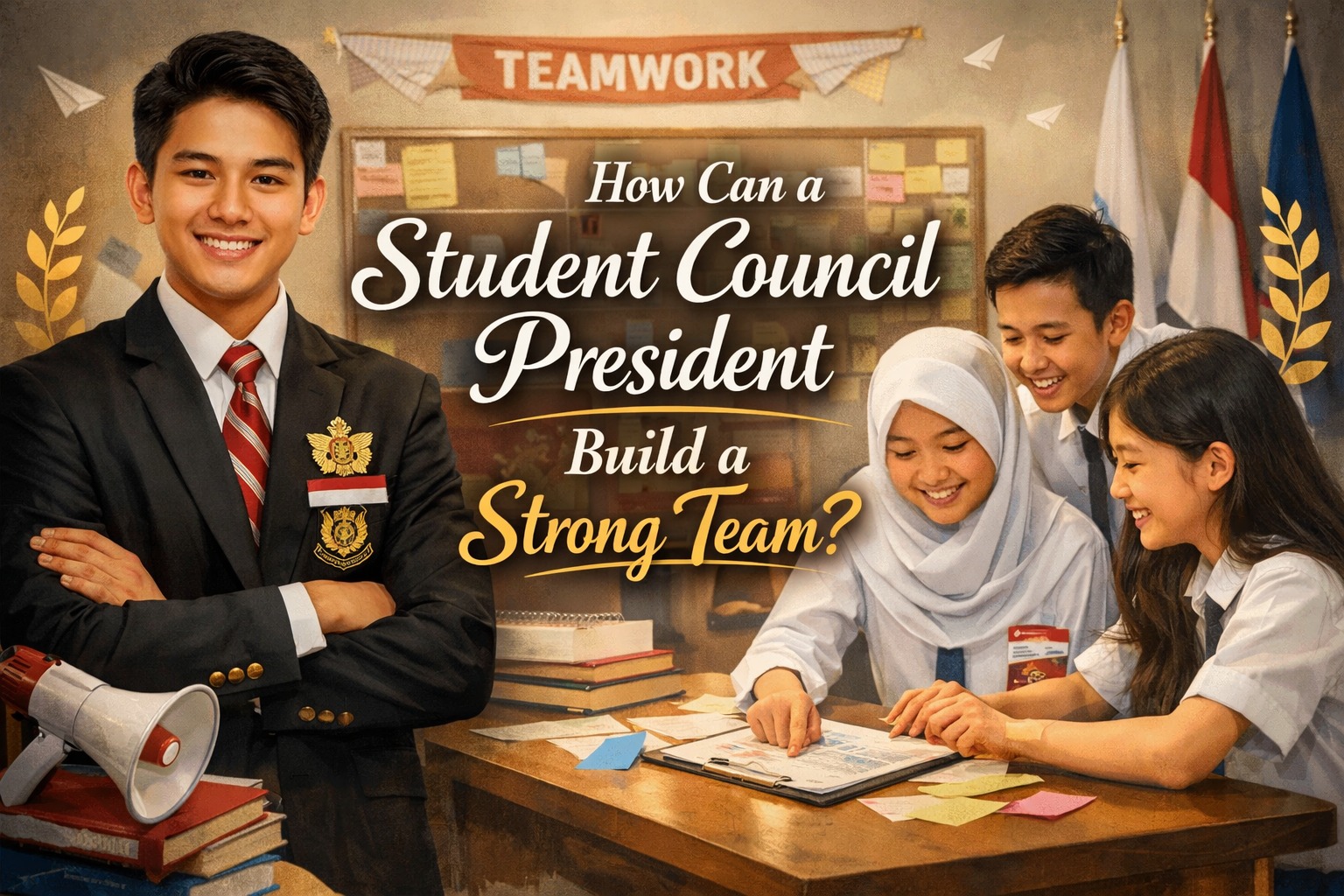
Being elected as a Student Council President is both an honor and a major responsibility. This role requires strong leadership, effective communication, teamwork, and the ability to represent students fairly. While many student leaders begin with great enthusiasm, some make avoidable mistakes that reduce their effectiveness and limit their impact on the school community.
Understanding the most common mistakes can help student council presidents become more confident, organized, and respected leaders. By recognizing these challenges early, they can make better decisions, strengthen relationships with students and teachers, and successfully achieve their goals throughout their term.
LACK OF CLEAR PLANNING
One of the biggest mistakes a Student Council President can make is starting the term without a clear plan. Many student leaders have exciting ideas but fail to organize them into realistic goals and timelines. Without proper planning, important activities may be delayed, canceled, or poorly executed. A well-prepared roadmap helps the council stay focused and productive.
Effective planning also includes setting priorities and assigning responsibilities to council members. Breaking large projects into smaller tasks makes them easier to complete. Regular evaluations help identify what is working and what needs improvement. Strategic planning allows the student council to deliver meaningful programs that benefit the entire school.
POOR COMMUNICATION WITH STUDENTS
Another common mistake is failing to maintain open communication with students. A student council president represents the student body, so understanding their concerns and suggestions is essential. Ignoring student feedback can create misunderstandings and reduce trust in the council. Students are more likely to support leaders who listen to their opinions.
Communication should also be consistent and transparent. Sharing updates about events, meetings, and ongoing projects keeps everyone informed. Using school announcements, notice boards, or social media responsibly can improve engagement. Active listening and honest communication build stronger relationships between the student council and the school community.
TRYING TO DO EVERYTHING ALONE
Some student council presidents believe they must complete every task by themselves. While dedication is admirable, this approach often leads to stress, fatigue, and lower productivity. Student councils are designed to work as a team, where every member contributes according to their strengths. Delegating tasks is a sign of effective leadership, not weakness.
Encouraging teamwork also develops leadership skills among other council members. When responsibilities are shared fairly, projects are completed more efficiently and members feel more motivated. Trusting teammates creates a positive working environment. Collaboration is one of the strongest foundations of successful student leadership.
IGNORING FEEDBACK AND CONSTRUCTIVE CRITICISM
Every leader receives feedback, and successful leaders know how to use it for improvement. Some student council presidents become defensive when they receive criticism, missing valuable opportunities to grow. Constructive feedback helps leaders identify weaknesses they may not notice themselves. Accepting suggestions with an open mind demonstrates maturity and professionalism.
Feedback can come from students, teachers, advisors, or fellow council members. Instead of viewing criticism negatively, student leaders should analyze it carefully and implement practical improvements. Continuous learning makes leadership more effective over time. A willingness to improve earns greater respect from the school community.
FAILING TO MANAGE TIME EFFECTIVELY
Balancing academics and leadership responsibilities can be challenging. Poor time management often causes missed deadlines, unfinished projects, and declining academic performance. Student council presidents should create schedules that balance meetings, schoolwork, extracurricular activities, and personal time. Good organization reduces unnecessary pressure.
Using calendars, planners, or digital reminders can improve productivity. Setting realistic deadlines and avoiding procrastination also help leaders stay on track. Managing time wisely allows student leaders to fulfill their responsibilities without sacrificing their education. Discipline is an essential quality for every successful student council president.
NEGLECTING TEAM APPRECIATION
Many student leaders focus only on completing projects and forget to recognize the efforts of their team members. Appreciation plays an important role in maintaining motivation and building strong teamwork. Even simple words of gratitude can increase confidence and encourage members to stay committed. People perform better when they feel valued.
Celebrating achievements together also strengthens relationships within the council. Recognizing both individual and group contributions creates a positive organizational culture. A respected leader understands that success belongs to the entire team, not just one person. Recognition inspires continuous dedication and cooperation.
CONCLUSION
A successful Student Council President is not someone who never makes mistakes, but someone who learns from them and continues improving. Avoiding poor planning, ineffective communication, lack of teamwork, resistance to feedback, weak time management, and failure to appreciate others will significantly strengthen leadership performance.
By practicing responsibility, integrity, and collaboration, student council presidents can create positive changes that benefit the entire school community. Strong leadership begins with self-awareness, continuous learning, and a genuine commitment to serving others.
About the Author
Gusti Ayu Tita P
Author — STEKOM University
An active author focused on academic issues, educational technology, and human resource development in the campus environment.















