Common Mistakes to Avoid in Employment Contracts
Gusti Ayu Tita P
30 September 2026
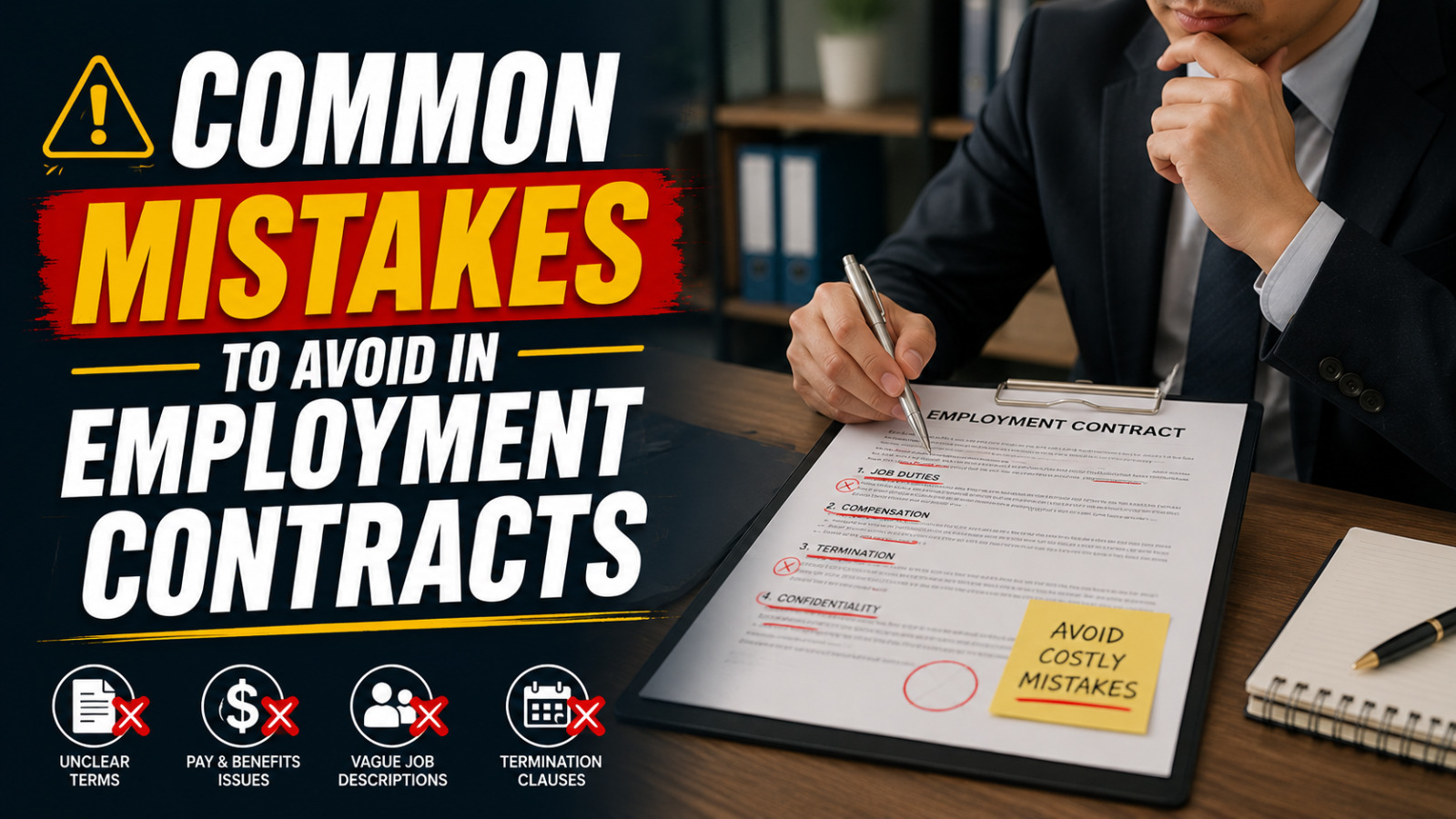
Employment contracts are the foundation of a professional relationship between employers and employees. A well-written agreement clearly explains the rights, responsibilities, benefits, and expectations of both parties. Unfortunately, many people sign employment contracts without reading or understanding the details, which can lead to disputes, financial losses, or legal complications. By recognizing the most common mistakes, both employers and employees can create fair agreements that protect everyone involved.
WHY EMPLOYMENT CONTRACTS ARE IMPORTANT
An employment contract is more than just a document to complete the hiring process. It serves as a legal agreement that outlines the duties, compensation, working hours, benefits, and conditions of employment. Having a clear contract helps reduce misunderstandings and provides legal protection if disagreements arise in the future.
Both employers and employees should carefully review every section before signing. A properly prepared contract creates transparency, promotes trust, and ensures that each party understands its obligations. Investing time in reviewing the agreement can prevent costly disputes later.
NOT READING THE CONTRACT CAREFULLY
One of the most common mistakes is signing an employment contract without reading it thoroughly. Many employees focus only on the salary and job title while ignoring other important clauses. As a result, they may overlook conditions related to probation periods, overtime, termination, or confidentiality.
Before signing, it is essential to review every section carefully and ask questions about anything that seems unclear. Understanding the contract before agreeing to its terms helps avoid unexpected obligations and ensures that both parties are on the same page.
IGNORING JOB RESPONSIBILITIES
A contract should clearly define the employee's job responsibilities and expected performance. Vague or incomplete job descriptions can create confusion and disagreements regarding daily tasks. Employees may be assigned duties they never expected, while employers may struggle to measure performance fairly.
Clearly describing responsibilities protects both sides and establishes realistic expectations from the beginning. A detailed job description also helps employees understand their role and contributes to better workplace productivity.
OVERLOOKING SALARY AND BENEFITS DETAILS
Many employment disputes arise because the contract does not clearly explain salary, bonuses, allowances, or employee benefits. Some agreements mention compensation in general terms without specifying payment schedules or eligibility requirements. This can create misunderstandings after employment begins.
Every employment contract should include complete details regarding wages, overtime pay, insurance, paid leave, retirement benefits, and any additional compensation. A transparent compensation structure reduces confusion and strengthens the employer-employee relationship.
FAILING TO REVIEW TERMINATION CLAUSES
Termination provisions are often overlooked during the hiring process. However, these clauses determine how either party can end the employment relationship, including notice periods, severance arrangements, and disciplinary procedures. Ignoring these terms may result in legal disputes if employment ends unexpectedly.
Employees should understand their rights when leaving a company, while employers should ensure that termination procedures comply with applicable labor regulations. Reviewing these provisions carefully protects both parties and promotes fair treatment.
NEGLECTING CONFIDENTIALITY AND NON-COMPETE CLAUSES
Many employment contracts include confidentiality agreements and non-compete clauses to protect business information. Employees sometimes agree to these provisions without fully understanding their long-term impact. Certain restrictions may continue even after employment ends.
Before signing, employees should carefully evaluate the scope and duration of these clauses. Employers should also ensure that such provisions are reasonable, clearly written, and legally enforceable to avoid future conflicts.
NOT SEEKING LEGAL OR PROFESSIONAL ADVICE
Complex employment contracts may contain legal terminology that is difficult to understand. Many people hesitate to seek professional advice because they believe the process is unnecessary or expensive. However, obtaining guidance before signing can help identify unfavorable terms or hidden risks.
Consulting a qualified legal professional or human resources expert provides greater confidence when reviewing an agreement. Professional advice can prevent costly mistakes and ensure that the contract reflects a fair and balanced employment relationship.
BEST PRACTICES BEFORE SIGNING AN EMPLOYMENT CONTRACT
Before signing any employment contract, both employers and employees should take sufficient time to review every provision. Comparing the contract with applicable labor laws and company policies helps identify inconsistencies or missing information. Never feel pressured to sign immediately if additional clarification is needed.
Maintaining open communication throughout the negotiation process contributes to a stronger professional relationship. A carefully reviewed employment contract protects everyone's interests, minimizes future disputes, and establishes a positive foundation for long-term cooperation.
About the Author
Gusti Ayu Tita P
Author — STEKOM University
An active author focused on academic issues, educational technology, and human resource development in the campus environment.