
Common Mistakes To Avoid While Pursuing A PhD Degree
Gusti Ayu Tita P
16 September 2026
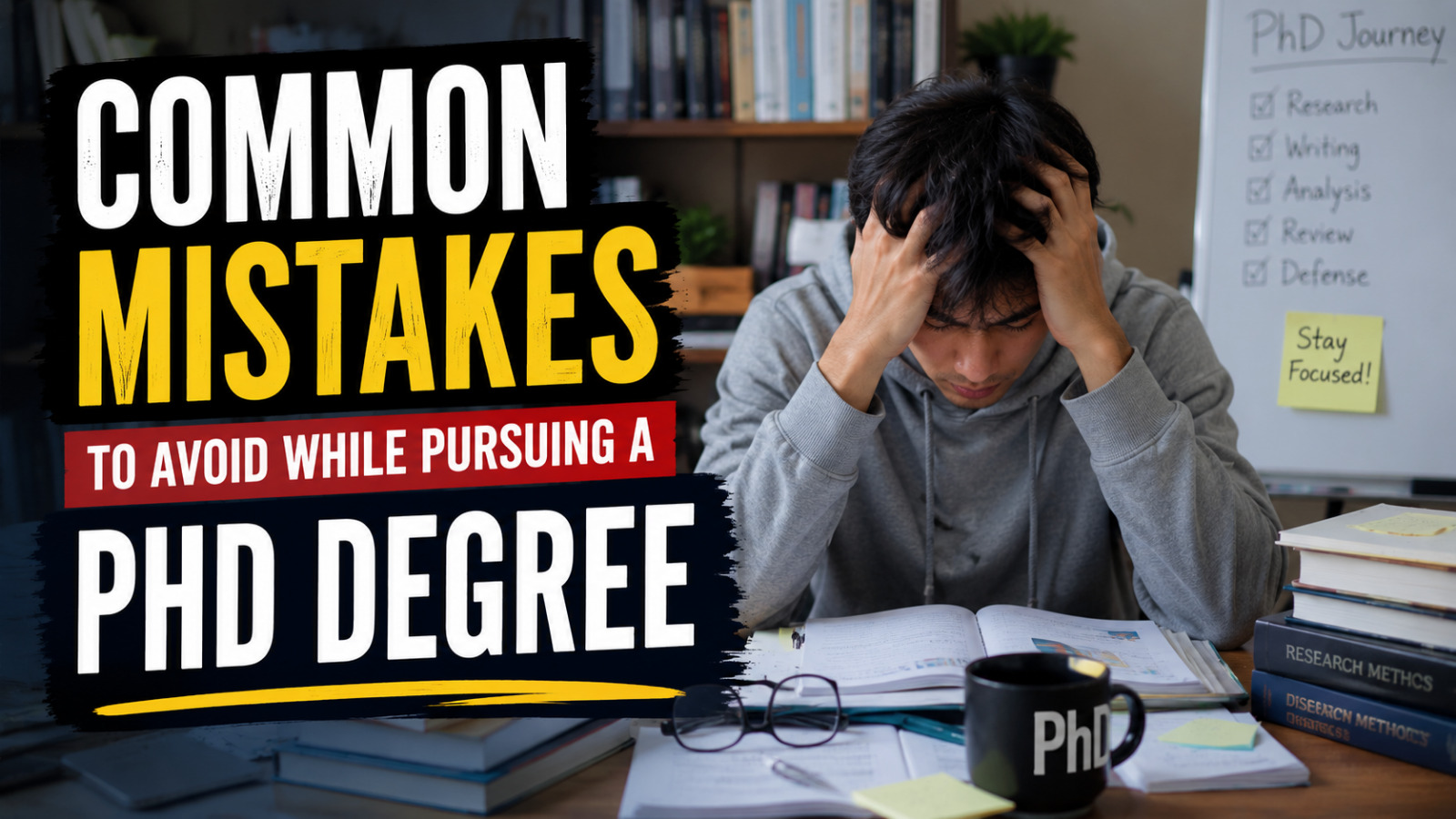
Pursuing a PhD degree is one of the most rewarding academic journeys, but it is also one of the most challenging. Doctoral students must balance research responsibilities, academic writing, time management, and personal well-being over several years. Many students begin their programs with enthusiasm but later struggle because of avoidable mistakes that slow their progress.
Understanding these common pitfalls can help doctoral candidates stay focused, complete their research more efficiently, and enjoy a more productive academic experience. By developing the right habits early, students can increase their chances of graduating successfully.
LACK OF CLEAR RESEARCH PLANNING
One of the biggest mistakes PhD students make is starting their research without a clear research plan. While research topics may evolve over time, having defined objectives and realistic milestones provides direction throughout the program. A structured plan also helps students monitor progress and identify challenges before they become major problems.
Students should regularly review and update their research timeline with their supervisor. Academic Research becomes more manageable when large tasks are divided into smaller, achievable goals. Careful planning reduces unnecessary delays and increases overall productivity.
IGNORING TIME MANAGEMENT
Poor Time Management is another common reason many doctoral students struggle. Research projects often have flexible schedules, making it easy to postpone important tasks until deadlines become overwhelming. Procrastination can create unnecessary stress and reduce the quality of academic work.
Creating weekly and monthly schedules helps students remain consistent. Setting priorities, limiting distractions, and dedicating specific hours to research can significantly improve efficiency. Strong Time Management allows students to maintain steady progress throughout their doctoral journey.
AVOIDING REGULAR COMMUNICATION WITH SUPERVISORS
Some students hesitate to communicate frequently with their supervisors because they fear criticism or believe they should solve every problem independently. However, supervisors provide valuable guidance that can save months of unnecessary work. Regular discussions help identify weaknesses, refine research questions, and improve research quality.
Students should prepare for meetings with clear questions and progress updates. Constructive feedback is an important part of academic growth. Maintaining open communication builds trust and supports long-term Doctoral Success.
NEGLECTING RESEARCH WRITING
Many doctoral candidates spend years collecting data but delay writing until the final stages of their program. This approach often creates unnecessary pressure and makes organizing research much more difficult. Writing should be viewed as a continuous process rather than a final task.
Developing strong Research Writing habits from the beginning helps clarify ideas and identify gaps in the research. Regular writing also makes revisions easier and improves overall academic communication. Consistent writing contributes to higher-quality dissertations.
OVERLOOKING RESEARCH SKILLS DEVELOPMENT
Completing a PhD requires more than subject knowledge. Students must continuously improve their Research Skills, including academic writing, data analysis, literature review, presentation, and critical thinking. Relying only on existing knowledge may limit research quality.
Attending workshops, conferences, and training programs helps students expand their expertise. Reading high-quality academic journals also strengthens analytical abilities. Continuous learning allows researchers to remain competitive in today's academic environment.
NEGLECTING PHYSICAL AND MENTAL WELL BEING
Many doctoral students become so focused on research that they ignore their health. Long working hours, lack of sleep, and constant stress can reduce concentration, motivation, and creativity. Maintaining personal well-being is essential for long-term academic performance.
Regular exercise, healthy eating, sufficient sleep, and taking short breaks improve productivity and reduce burnout. Seeking support from family, friends, or university counseling services when necessary can also help students maintain balance throughout their PhD Degree journey.
COMPARING YOURSELF WITH OTHER STUDENTS
Every doctoral journey is unique. Comparing research progress with classmates often creates unnecessary anxiety and discouragement. Different research topics, methodologies, and circumstances naturally require different timelines.
Instead of focusing on others, students should measure progress against their own goals and milestones. Celebrating small achievements helps maintain motivation and confidence. Personal growth is more valuable than unhealthy competition.
CONCLUSION
Pursuing a PhD Degree requires patience, discipline, and continuous improvement. Avoiding common mistakes such as poor planning, weak Time Management, limited communication with supervisors, delayed Research Writing, neglecting Research Skills, and ignoring personal well-being can significantly improve academic success.
Every successful doctoral graduate faces challenges along the way, but those who remain organized, adaptable, and committed to learning are more likely to complete their research with confidence. By avoiding these mistakes, you can build a stronger foundation for both academic achievement and future career success.
About the Author
Gusti Ayu Tita P
Author — STEKOM University
An active author focused on academic issues, educational technology, and human resource development in the campus environment.















