
Common Myths About Black Magic That People Still Believe
Gusti Ayu Tita P
10 September 2026
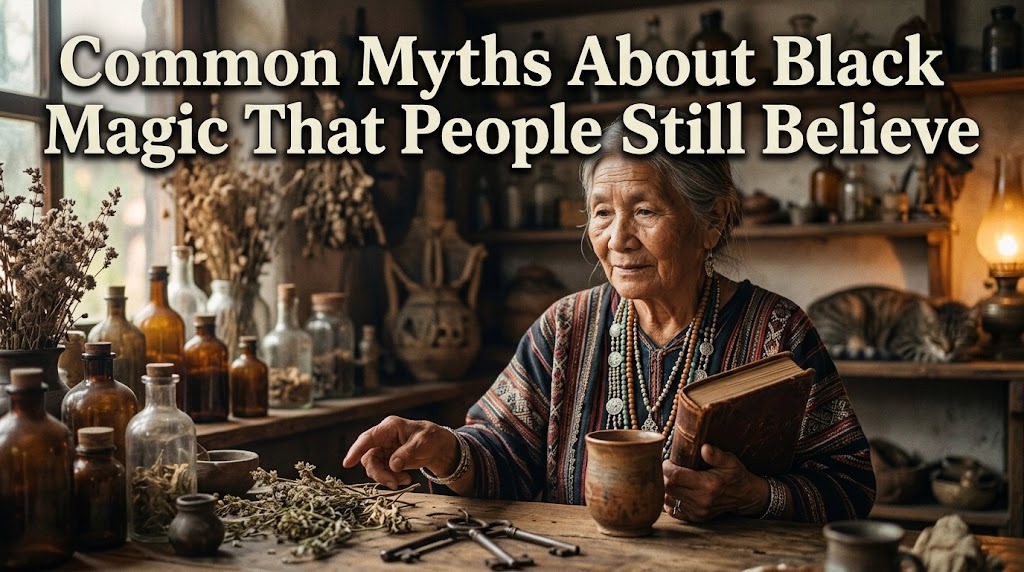
Stories about black magic have existed in many societies for centuries. They often appear in folklore, legends, religious traditions, and popular entertainment. Because these stories are passed from one generation to another, some people may accept them as facts without knowing their historical background. Different cultures also have different ideas about what black magic means and how it supposedly works. Understanding these beliefs can help people separate cultural stories from information that has been supported by evidence.
THE BELIEF THAT BLACK MAGIC ALWAYS CAUSES HARM
One of the most common myths is that black magic is always used to harm other people. In folklore, it is often connected with curses, revenge, illness, bad luck, or supernatural attacks. This image has become especially strong because many traditional stories describe magical practices as a way to punish enemies. However, beliefs about magic have never been exactly the same in every culture. Some traditions have included practices that were considered protective, spiritual, healing, or intended to solve personal problems rather than simply cause harm.
The idea of magic being divided into good and evil forms is also influenced by the values of particular societies. A practice considered dangerous in one community might have a different meaning in another cultural setting. Cultural context is therefore important when discussing black magic. Without understanding that context, people can easily assume that every supernatural practice has the same purpose. This is one reason why the popular image of black magic should not automatically be treated as historical fact.
THE MYTH THAT BLACK MAGIC CAN CONTROL ANYTHING
Another popular belief is that black magic can give someone unlimited control over people, nature, or future events. Folklore often tells stories about individuals who supposedly use supernatural powers to influence someone's feelings, decisions, health, or destiny. Such stories can be fascinating, but they are generally part of folklore and supernatural belief, rather than scientifically demonstrated abilities. There is no reliable scientific evidence showing that magical rituals can provide unlimited control over another person's mind or the natural world.
This myth has survived partly because supernatural stories are designed to make ordinary events seem mysterious. Unexpected accidents, illness, conflicts, and other unexplained situations may historically have been attributed to supernatural forces. In periods when scientific knowledge was limited, magical explanations could become an understandable way for communities to interpret frightening events. Modern knowledge provides other explanations for many of these experiences. As a result, it is useful to distinguish between historical beliefs and claims that can be tested through evidence.
THE MYTH THAT BLACK MAGIC IS THE SAME IN EVERY CULTURE
Many people imagine black magic as one universal system with the same rituals, symbols, and beliefs everywhere. In reality, beliefs about supernatural practices have developed differently across regions and historical periods. European witchcraft traditions, African spiritual beliefs, Asian folklore, and other cultural traditions have their own histories and meanings. Even the expression black magic can be used differently depending on the cultural and historical context. This makes it inaccurate to assume that all magical traditions belong to one identical system.
The term itself is also influenced by later interpretations, literature, religion, and popular media. Books, films, television programs, and online content sometimes combine elements from different traditions to create dramatic stories. These fictional combinations can make different practices appear to be part of one system. Studying the original cultural background gives a more accurate understanding. Cultural diversity is therefore essential when examining stories about black magic.
THE MYTH THAT EVERY MAGICAL RITUAL HAS SUPERNATURAL POWER
Another common myth is that every ritual associated with black magic automatically produces supernatural results. Traditional communities have often used objects, words, gestures, symbols, or ceremonies as part of their spiritual beliefs. However, the existence of a ritual does not prove that it has supernatural power. Many rituals have symbolic meanings that reflect a community's values, fears, hopes, or religious worldview.
People may also believe a ritual worked because an event happened after the ritual was performed. This can create a strong personal impression even when there is no demonstrated connection between the two events. Human beings naturally look for patterns and explanations, especially when facing uncertain situations. Psychological expectations can also influence how people interpret experiences. For this reason, a cultural ritual can be meaningful to its followers without providing scientific proof of supernatural effects.
THE MYTH THAT BLACK MAGIC STORIES ARE ALWAYS BASED ON REAL EVENTS
Black magic stories are sometimes presented as if every legend originated from an actual supernatural event. In reality, folklore often changes over time as stories are retold, adapted, and combined with local beliefs. A story may begin with a real person, historical event, social conflict, or unusual occurrence and later develop supernatural elements. Each storyteller can also add details that make the story more memorable or frightening. Over generations, distinguishing the original event from later storytelling can become difficult.
Popular culture has increased this effect by turning traditional legends into films, novels, games, and online stories. Fictional versions can become so familiar that audiences may believe they represent historical traditions accurately. This is why researchers often examine written records, oral traditions, historical documents, and cultural contexts when studying supernatural beliefs. Historical evidence is different from a dramatic story passed through entertainment media. Recognizing this difference helps readers enjoy folklore without confusing it with verified history.
WHY THESE MYTHS CONTINUE TO SURVIVE
Myths about black magic continue to survive because they are connected with powerful human emotions such as fear, curiosity, uncertainty, and fascination with the unknown. Supernatural stories can provide explanations for events that people find difficult to understand. They can also function as warnings about behavior, social rules, forbidden actions, or conflicts within a community. When stories are emotionally powerful, people are more likely to remember and retell them. Modern entertainment and social media have made it even easier for these stories to reach new audiences.
However, believing in a cultural story and accepting it as proven fact are two different things. Critical thinking allows people to appreciate the historical and cultural value of black magic folklore while examining supernatural claims carefully. Learning about different traditions can also reduce misunderstandings and prevent stereotypes about particular communities. Black magic remains an interesting subject because it reflects how societies have tried to understand danger, uncertainty, morality, and the unknown. Ultimately, studying these myths is not only about supernatural beliefs but also about understanding human culture and storytelling.
CONCLUSION
Common myths about black magic have developed through centuries of folklore, cultural beliefs, religious ideas, literature, and popular entertainment. Some stories describe black magic as a source of harm or unlimited supernatural power, while others reflect specific cultural traditions and symbolic meanings. Not every magical story represents a historical event, and there is no scientific evidence supporting claims of unlimited supernatural abilities. Understanding the difference between myth, cultural belief, folklore, and evidence helps people view these stories more objectively. By examining their historical and cultural backgrounds, readers can appreciate black magic folklore without automatically accepting every supernatural claim as fact.
About the Author
Gusti Ayu Tita P
Author — STEKOM University
An active author focused on academic issues, educational technology, and human resource development in the campus environment.















