
Common Traits Often Found in Firstborn Children
Gusti Ayu Tita P
7 September 2026
INTRODUCTION
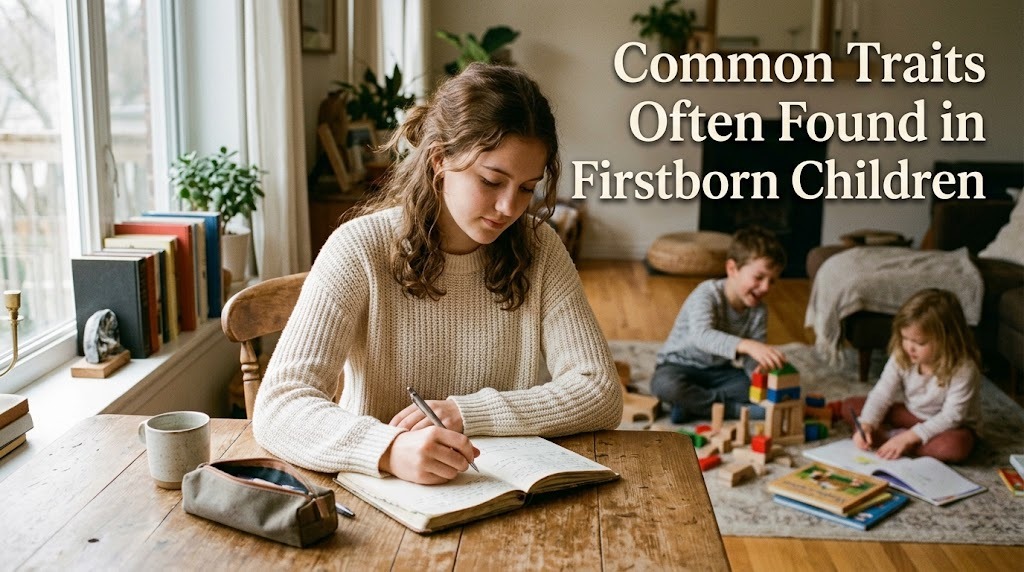
The firstborn child often has a unique position in the family because they are the first child to experience their parents' attention, expectations, and guidance. Their experiences can influence how they behave, communicate, and respond to family situations. Many firstborn children develop certain characteristics because they receive responsibilities that may be different from those of younger siblings. However, not every oldest child has the same personality because family environment, parenting style, and individual experiences also play important roles. Understanding these common traits can help parents and siblings appreciate the firstborn child's strengths and challenges.
RESPONSIBILITY AND LEADERSHIP
One of the most common traits associated with firstborn children is a strong sense of responsibility. As the oldest sibling, they may be expected to help younger brothers or sisters, set a good example, or assist with simple family tasks. These experiences can encourage them to become more organized and dependable. Over time, they may learn how to make decisions and take responsibility for the results of their actions. This does not mean every firstborn child naturally becomes a leader, but family experiences can provide opportunities for leadership skills to develop.
Firstborn children may also become comfortable taking initiative when their family needs help. They can learn to communicate with younger siblings, solve minor disagreements, and complete tasks without constant supervision. These abilities can become useful later in school, work, and social situations. However, parents should avoid placing excessive responsibility on the oldest child because being responsible does not mean having to act like a parent. A healthy balance allows firstborn children to develop confidence while still enjoying their childhood.
ORGANIZATION AND HIGH EXPECTATIONS
Many firstborn children may develop organized habits because parents often pay close attention to their early development. Parents may carefully monitor their first child's school activities, routines, and achievements, especially when they are still learning how to raise children. As a result, some firstborn children become accustomed to planning their activities and completing tasks carefully. They may also become comfortable following rules and meeting deadlines. These habits can be valuable in academic and professional environments.
At the same time, firstborn children can sometimes feel pressure to meet family expectations. Parents may unknowingly compare their oldest child with younger siblings or expect them to demonstrate good behavior. When expectations become too high, the child may become afraid of making mistakes or disappointing others. Therefore, parents should recognize effort rather than focusing only on achievement. Giving children room to make mistakes can help them develop healthy confidence and independence.
PROTECTIVE AND CARING BEHAVIOR
A firstborn child may develop a protective attitude toward younger siblings. Because they have been in the family longer, they may feel responsible for helping or guiding their brothers and sisters. They might offer advice, assist with schoolwork, or defend a younger sibling when problems occur. These experiences can strengthen their ability to understand other people's needs. In many families, this caring behavior becomes an important part of the relationship between siblings.
However, caring for siblings should not become an unlimited obligation. Firstborn children also need personal time, privacy, and opportunities to focus on their own interests. Parents can encourage supportive relationships without making the oldest child responsible for solving every problem. Healthy sibling relationships require cooperation from everyone, not only the firstborn. When responsibilities are shared fairly, the firstborn can remain caring without feeling overwhelmed.
INDEPENDENCE AND SELF CONFIDENCE
Another trait that may appear among firstborn children is independence. They may have more opportunities to interact with adults before younger siblings arrive, which can influence their communication and behavior. As they grow older, they may become comfortable completing tasks on their own and making personal decisions. Some firstborn children also become confident when speaking with teachers, parents, or other adults. These experiences can contribute to their ability to handle different social situations.
Nevertheless, independence does not always mean that a firstborn child feels confident in every situation. Some may become overly concerned about doing things correctly because they have experienced strong parental attention or expectations. Parents can support them by allowing age-appropriate choices and showing that mistakes are a normal part of learning. Confidence grows when children feel supported rather than judged. Encouragement can help firstborn children become independent while maintaining a positive view of themselves.
COMMON CHALLENGES AND EMOTIONAL PRESSURE
Although firstborn children can develop many positive qualities, they may also experience emotional pressure. Some may feel that they must always be mature, successful, or responsible because younger siblings look up to them. When a family depends heavily on the oldest child, they may find it difficult to express tiredness or ask for help. This pressure can become stronger when parents frequently emphasize their role as an example for the family. Recognizing these feelings is important for maintaining a healthy family relationship.
Another possible challenge is adjusting to the arrival of younger siblings. Before a sibling is born, the firstborn may receive most of their parents' attention. Afterward, they may need to share time, affection, and resources with another child. This change can sometimes create jealousy, insecurity, or feelings of being ignored. Parents can help by maintaining individual attention and reassuring the firstborn that their place in the family remains important. Open communication can make this transition easier and strengthen the relationship between parents and children.
CONCLUSION
Firstborn children can develop a variety of characteristics through their position and experiences within the family. Responsibility, leadership, organization, independence, and caring behavior are some traits that may commonly appear among oldest children. However, birth order alone does not determine personality because every child grows within a different family environment. Parenting style, relationships, culture, and personal experiences can have a significant influence on development. The most important approach is to appreciate the strengths of firstborn children while giving them enough freedom to grow without unnecessary pressure.
About the Author
Gusti Ayu Tita P
Author — STEKOM University
An active author focused on academic issues, educational technology, and human resource development in the campus environment.















