
Communication Strategies For Resolving Family Conflict
Gusti Ayu Tita P
8 September 2026
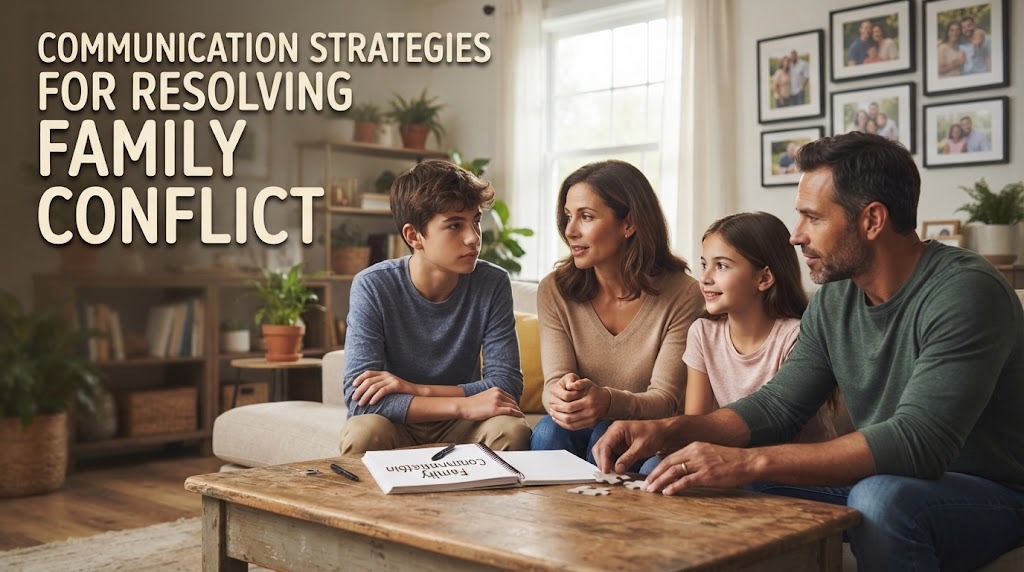
Family conflict can happen when people have different opinions, expectations, habits, or emotional needs. Although disagreements are normal, poor communication can make a small problem become a serious argument. Effective communication helps family members express their feelings, understand different perspectives, and find solutions together. Good communication does not mean that everyone must agree on everything. Instead, it creates a healthier way to handle disagreements while maintaining respect and trust.
LISTEN ACTIVELY WITHOUT INTERRUPTING
Active listening is an important communication strategy for resolving family conflict. Each person should have enough time to explain their thoughts and feelings without being interrupted. Listening carefully can help family members understand the real reason behind someone's reaction. It is also helpful to ask questions when something is unclear instead of making assumptions. When people feel heard and respected, they are more likely to communicate calmly and openly.
CHOOSE THE RIGHT TIME TO TALK
The timing of a conversation can influence how a conflict develops. Trying to solve a serious problem while someone is extremely angry, tired, or stressed may make the situation worse. Family members should choose a calm and private time when everyone is ready to communicate. A short break can be useful when emotions are still intense. Once everyone feels more prepared, the conversation can focus on the problem instead of emotional reactions.
USE CALM AND RESPECTFUL LANGUAGE
The words used during a disagreement can either reduce or increase tension. Avoiding insults, shouting, threats, and personal attacks is essential for healthy communication. Family members can explain their feelings using statements such as “I feel” instead of immediately blaming another person. This approach focuses on the situation and personal feelings rather than attacking someone's character. Respectful language makes it easier for everyone to remain calm and participate in the discussion.
EXPRESS FEELINGS HONESTLY
Keeping emotions hidden for too long can cause frustration to build up. Family members should be encouraged to express their feelings honestly while still considering the feelings of others. Saying what makes someone hurt, disappointed, or worried can help others understand the problem more clearly. However, emotional honesty should not become an excuse for hurtful or aggressive behavior. Expressing feelings calmly can turn hidden frustration into a constructive conversation.
AVOID BLAMING AND ACCUSATIONS
Blaming someone repeatedly can make them defensive and less willing to listen. Instead of focusing on who is completely responsible, family members can discuss what happened and how it can be improved. For example, describing a specific behavior is usually more productive than making negative statements about someone's personality. This approach keeps the conversation focused on the problem rather than creating another personal argument. Avoiding accusations can make conflict resolution more cooperative.
FIND COMMON GROUND
Family members may disagree about how to solve a problem, but they often still share the same basic goal. Most families want peace, trust, safety, and a good relationship. Identifying these shared goals can help everyone look for solutions instead of competing to prove who is right. Compromise may be necessary when different needs cannot be completely satisfied. Finding common ground can make the final solution feel fairer to everyone involved.
PRACTICE EMPATHY
Empathy means trying to understand another person's feelings and perspective. It does not require someone to agree with everything the other person says. A family member can recognize another person's feelings even when they have a different opinion. Simple responses such as acknowledging someone's disappointment or concern can reduce emotional tension. Practicing empathy helps create a family environment where people feel understood rather than judged.
APOLOGIZE AND FORGIVE
A sincere apology can help repair a relationship after a disagreement. When someone recognizes their mistake and takes responsibility, it shows a willingness to improve. Forgiveness can also help family members move forward instead of remaining trapped in anger or resentment. However, forgiveness does not mean ignoring repeated harmful behavior or accepting unhealthy treatment. A meaningful apology should be supported by positive changes in behavior.
SET HEALTHY COMMUNICATION BOUNDARIES
Healthy boundaries can prevent communication from becoming disrespectful or overwhelming. Family members can agree that shouting, insults, threats, or deliberately humiliating someone are not acceptable ways to solve problems. If emotions become too intense, taking a temporary break can help everyone regain control. The conversation can continue when people are calmer and ready to listen. Clear boundaries help create a safer and more respectful communication environment.
FOCUS ON SOLUTIONS
The purpose of resolving family conflict is not simply to determine who wins an argument. Family members should focus on practical solutions that can improve the situation and prevent similar problems in the future. Everyone involved can suggest ideas and consider the advantages and disadvantages of each option. Once a solution is agreed upon, family members should make an effort to follow it consistently. If the conflict continues despite repeated efforts, seeking help from a qualified counselor may be appropriate.
CONCLUSION
Communication plays a central role in resolving family conflict because it allows people to express their feelings and understand one another. Active listening, calm language, empathy, and honest conversations can reduce misunderstandings and emotional tension. Family members should also avoid personal attacks, respect boundaries, and focus on finding solutions instead of proving who is right. Apologizing, forgiving, and making real changes can further strengthen relationships after a disagreement. With consistent effort and mutual respect, families can handle conflicts more wisely and build healthier relationships.
About the Author
Gusti Ayu Tita P
Author — STEKOM University
An active author focused on academic issues, educational technology, and human resource development in the campus environment.















