Communication Techniques to Improve First Impression
Gusti Ayu Tita P
23 Juli 2026
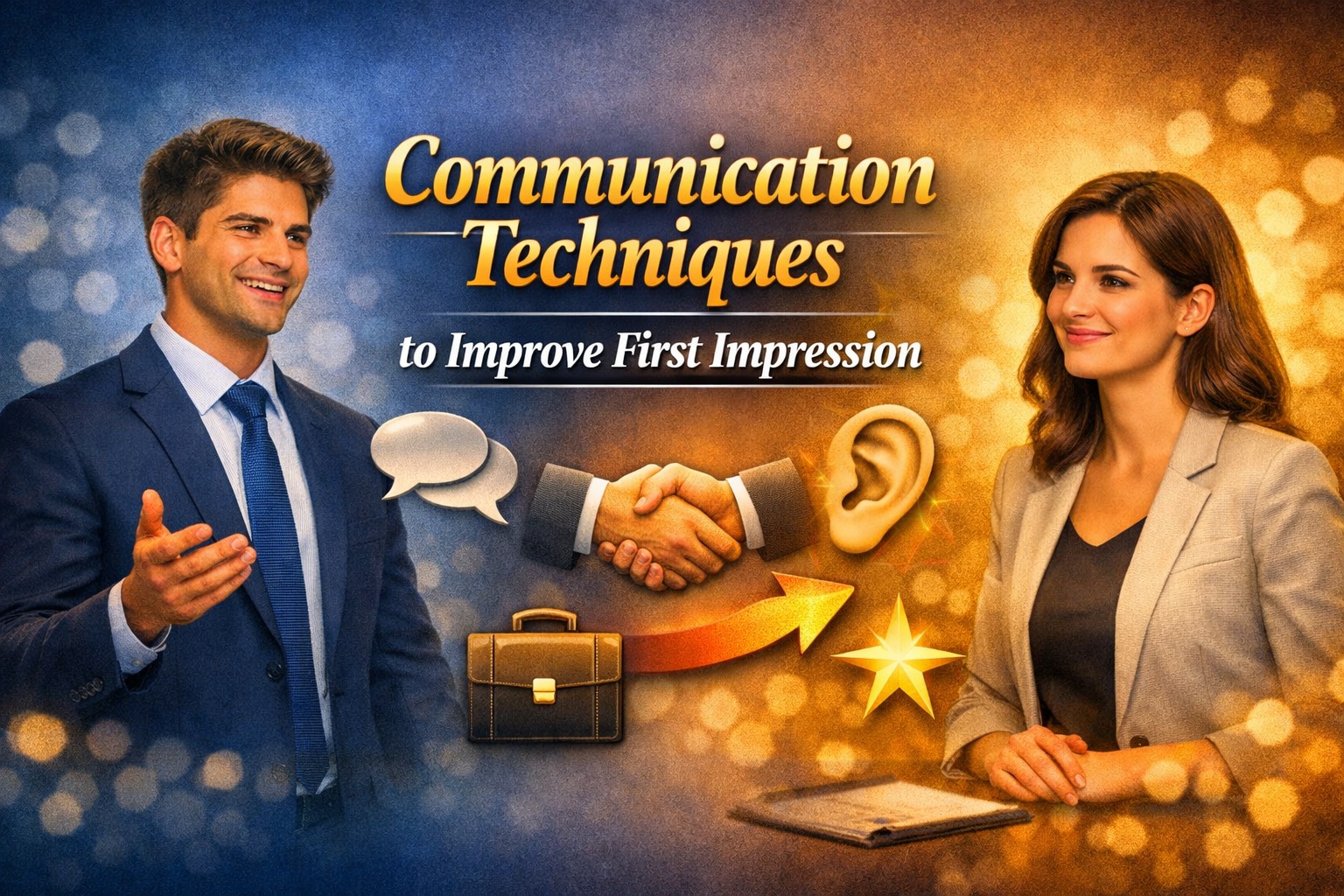
Making a strong first impression is important in both personal and professional life. Whether you are attending a job interview, meeting new classmates, or speaking with clients, the way you communicate can shape how others see you. Good communication techniques help people feel comfortable, respected, and interested in continuing the conversation. A positive first impression can open many opportunities and build stronger relationships.
WHY FIRST IMPRESSIONS MATTER
First impressions are often formed within a few seconds. People usually notice body language, tone of voice, eye contact, and confidence before they fully understand the words being spoken. Because of this, communication skills play a major role in creating a good image.
A strong first impression can help you:
- Build trust quickly
- Show professionalism
- Increase confidence
- Create better social connections
- Leave a memorable impact
USE POSITIVE BODY LANGUAGE
Body language is one of the most powerful communication tools. Your gestures and posture can show confidence and friendliness even before you speak.
Here are several ways to improve body language:
- Maintain eye contact naturally
- Smile sincerely
- Stand or sit with good posture
- Avoid crossing your arms
- Use hand gestures naturally
Positive body language helps others feel more comfortable and makes conversations more engaging.
SPEAK CLEARLY AND CONFIDENTLY
The way you speak influences how people judge your personality and abilities. Speaking clearly helps others understand your message more easily.
To sound more confident:
- Speak at a moderate pace
- Pronounce words clearly
- Avoid filler words such as “um” or “uh”
- Use a calm and steady tone
- Pause briefly before answering questions
Confidence in speaking does not mean speaking loudly. It means communicating your thoughts in a calm and organized way.
PRACTICE ACTIVE LISTENING
Good communication is not only about talking. Listening carefully is equally important. Active listening shows respect and genuine interest in the other person.
You can become a better listener by:
- Nodding while others speak
- Avoiding interruptions
- Asking relevant questions
- Responding thoughtfully
- Paying attention to facial expressions
People appreciate conversations where they feel heard and understood.
CHOOSE WORDS POLITELY
Polite language creates a positive atmosphere during communication. Simple words such as “please,” “thank you,” and “excuse me” can make interactions more respectful.
Avoid using:
- Harsh criticism
- Negative expressions
- Offensive jokes
- Aggressive tones
Instead, focus on encouraging and respectful communication. Kind words often leave lasting positive impressions.
SHOW GENUINE INTEREST
People enjoy conversations with someone who shows authentic curiosity. Asking simple questions about hobbies, interests, or experiences can help build stronger connections.
Examples of good conversation starters include:
- “What inspired you to choose your field?”
- “How was your experience with that project?”
- “What do you enjoy doing in your free time?”
Showing genuine interest helps conversations feel more natural and meaningful.
IMPROVE YOUR FACIAL EXPRESSIONS
Facial expressions can strengthen or weaken communication. A warm expression makes you appear approachable and friendly.
Tips for better facial expressions:
- Smile naturally
- Avoid looking bored
- Relax your face during conversations
- Match your expression with the topic being discussed
Friendly expressions can help reduce awkwardness and create a comfortable interaction.
ADAPT TO DIFFERENT SITUATIONS
Different environments require different communication styles. The way you speak in a formal meeting may differ from casual conversations with friends.
Learning to adapt helps you:
- Communicate more effectively
- Avoid misunderstandings
- Show emotional intelligence
- Build stronger relationships
Being flexible with communication styles demonstrates maturity and professionalism.
CONCLUSION
Communication techniques strongly influence first impressions. Positive body language, confident speaking, active listening, polite language, and genuine interest can help you connect with others more effectively. Improving these skills takes practice, but the results can positively impact both personal and professional relationships. By developing better communication habits, you can leave a lasting and positive impression wherever you go
About the Author
Gusti Ayu Tita P
Author — STEKOM University
An active author focused on academic issues, educational technology, and human resource development in the campus environment.