
Complete Guide to Airport Check In for First Time Travelers
Gusti Ayu Tita P
10 Agustus 2026
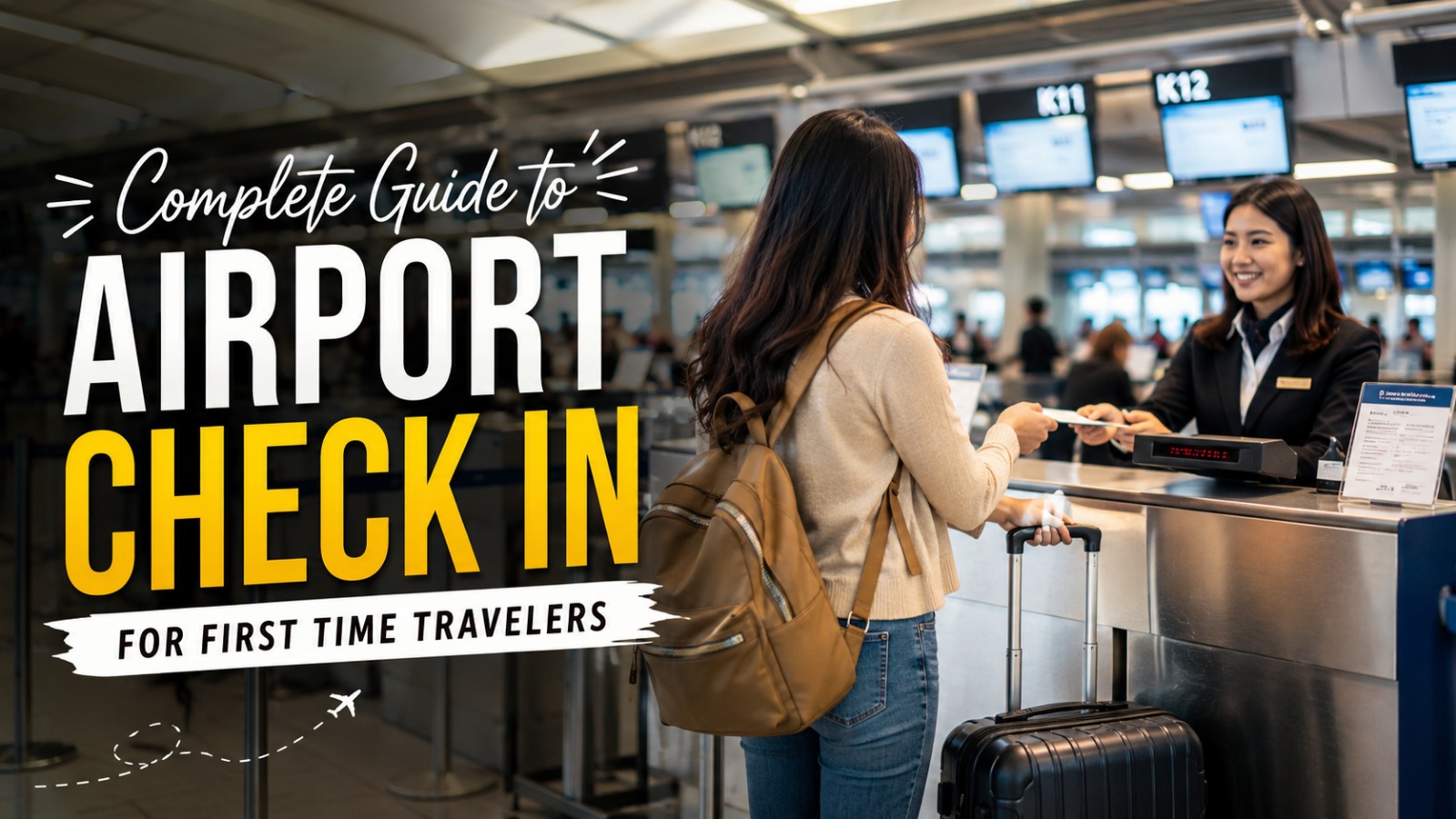
Airport check-in is one of the first important steps when traveling by plane. For first-time travelers, the process may seem confusing because airports can be large and have several procedures to follow. Understanding how check-in works can make the journey smoother and help you avoid unnecessary stress. With the right preparation, you can complete the process confidently and continue to security screening and your departure gate.
PREPARE YOUR TRAVEL DOCUMENTS
Before going to the airport, prepare all documents required for your flight. These usually include your passport or valid identification, flight ticket or booking confirmation, and any required visa or travel documents. International travelers should check passport validity and entry requirements for their destination before departure. Keeping these documents in an easily accessible place will make the check-in process faster.
It is also useful to keep digital copies of important documents on your phone as a backup. However, do not rely only on digital documents if physical documents are required for your journey. Check the airline requirements before leaving home because document requirements can vary depending on the destination.
ARRIVE AT THE AIRPORT ON TIME
Arriving early gives you enough time to complete check-in, baggage drop, security screening, and other airport procedures. First-time travelers should allow extra time because finding the correct terminal or check-in counter may take longer than expected. For international flights, additional immigration and document checks can also require more time.
The recommended arrival time depends on the airline, airport, destination, and type of flight. Always check the airline's instructions for the specific time you should arrive. Avoid arriving at the last minute because check-in counters and baggage drop facilities may close before the scheduled departure time.
FIND YOUR CHECK IN COUNTER
After arriving at the airport, look for the flight information screens. These screens usually show your flight number, destination, departure time, terminal, and check-in counter information. Match the flight number on your ticket with the information displayed on the screen before going to a counter.
Some airports use self-service kiosks instead of traditional check-in counters. If you are unsure where to go, ask an airport or airline employee for assistance. Following the signs and checking your flight number carefully can help you avoid going to the wrong counter.
COMPLETE THE CHECK IN PROCESS
At the check-in counter, provide your travel documents to the airline staff when requested. The staff will confirm your reservation and may ask questions about your destination or travel documents. If you have checked baggage, the bag will normally be weighed, tagged, and accepted for transportation.
Once the process is complete, you will receive your boarding pass if you have not already received one. Keep your boarding pass and baggage receipt in a safe and accessible place. Check the boarding pass for important information such as your gate, seat number, boarding time, and flight number.
USE ONLINE CHECK IN WHEN AVAILABLE
Many airlines offer online check-in through their website or mobile application. This option can allow passengers to confirm their flight details, select a seat when available, and receive a digital boarding pass. Online check-in can save time, especially for passengers traveling with hand luggage only.
However, online check-in does not always eliminate the need to visit an airport counter. Passengers with checked baggage usually need to use a baggage drop facility or check-in counter. Some international routes may also require document verification at the airport even after completing online check-in.
HANDLE CHECKED BAGGAGE CORRECTLY
If you are traveling with checked baggage, make sure your suitcase meets the airline's weight and size limits. Remove old baggage tags from previous trips to prevent confusion during baggage handling. Do not place important documents, valuable items, or essential medication in checked baggage unless the airline specifically allows and advises it.
After handing over your luggage, keep the baggage receipt or tag provided by the airline. This information can help the airline locate your baggage if it is delayed or misplaced. Before leaving the check-in area, make sure you have your passport, boarding pass, personal belongings, and other essential items with you.
GO THROUGH SECURITY SCREENING
After check-in, follow the airport signs to the security screening area. You may need to remove certain items from your bag and place them in a screening tray, depending on the airport's procedures. Liquids, electronics, and other items may have specific screening requirements.
Security rules can vary between airports and countries, so follow the instructions given by security officers. Avoid bringing prohibited or restricted items to the airport because they may be confiscated or cause delays. Preparing your cabin baggage correctly before leaving home can make security screening much easier.
CHECK YOUR GATE AND BOARDING TIME
After passing security, check the airport information screens again. Your gate may have been assigned or changed after you completed check-in. Do not rely only on the gate printed on an earlier document because airport operations can change.
Pay attention to the boarding time rather than only the scheduled departure time. Airlines usually begin boarding before the aircraft's scheduled departure. Arrive at the gate early enough to complete the boarding process without rushing.
WHAT FIRST TIME TRAVELERS SHOULD AVOID
First-time travelers should avoid arriving too late, ignoring airport announcements, or leaving important documents inside checked baggage. Another common mistake is going directly to a gate without checking whether the gate has changed. Travelers should also avoid assuming that every airport follows exactly the same procedure.
It is better to ask airport staff when you are uncertain about a procedure. Keep your passport, boarding pass, phone, wallet, and other essential belongings easy to access. Staying organized throughout the airport process can make the experience much less stressful.
CONCLUSION
Airport check-in is much easier when you know what to expect. First-time travelers should prepare their documents, arrive at the airport early, find the correct check-in counter, complete baggage procedures, and keep their boarding pass and baggage receipt safe. Online check-in can also save time when the airline provides this option.
After check-in, continue to security screening and monitor the airport information screens for gate and boarding updates. By preparing in advance and following airport instructions, first-time travelers can enjoy a smoother and more comfortable flying experience.
About the Author
Gusti Ayu Tita P
Author — STEKOM University
An active author focused on academic issues, educational technology, and human resource development in the campus environment.















