
Daily Habits That Support A Slow Living Lifestyle
Gusti Ayu Tita P
17 September 2026
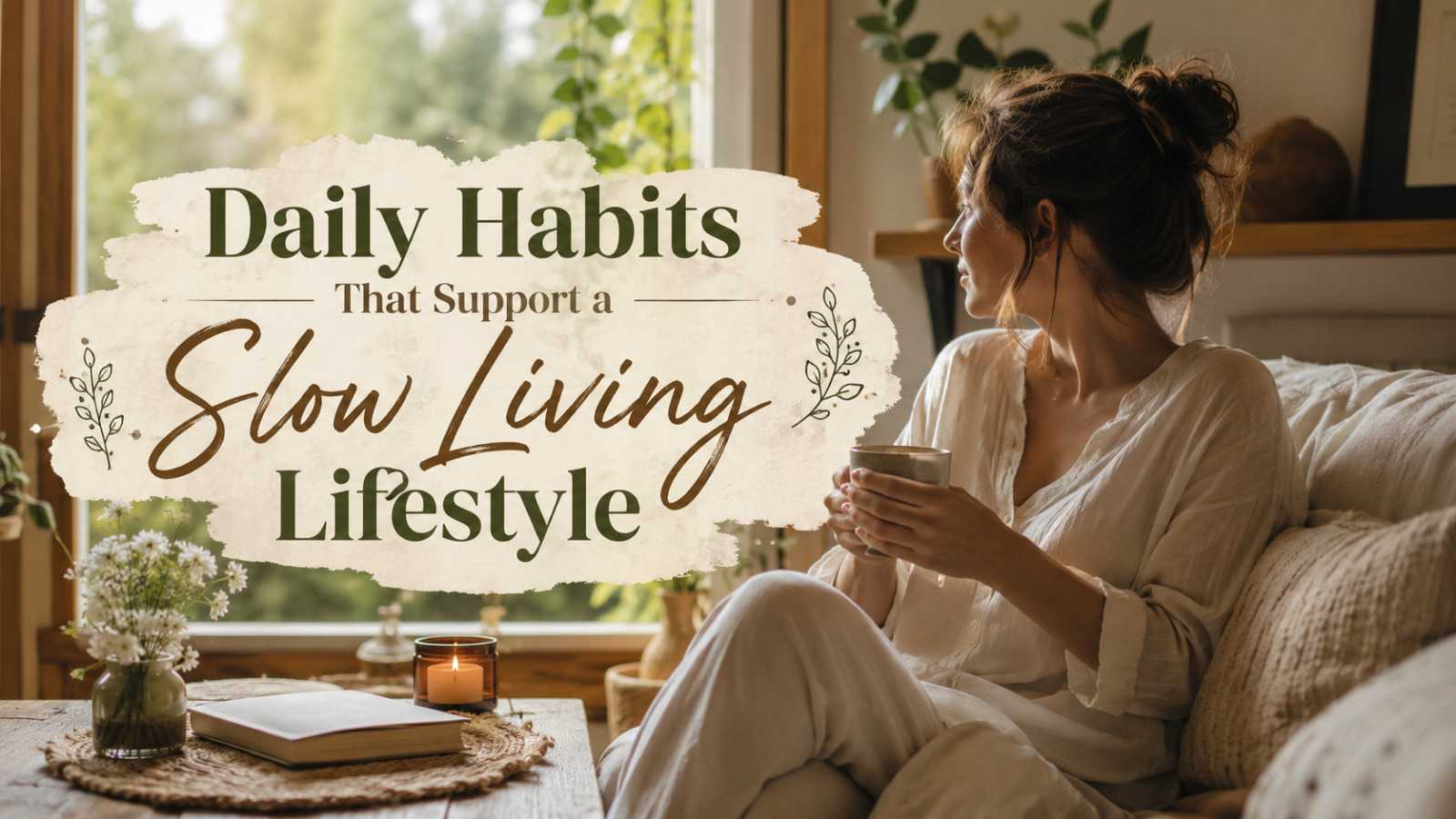
In today's fast-paced world, many people are looking for ways to reduce stress, improve well-being, and create a healthier work-life balance. One of the most effective approaches is embracing a Slow Living Lifestyle, a philosophy that encourages intentional living, mindfulness, and focusing on what truly matters. Instead of rushing through daily routines, slow living helps people appreciate each moment and make thoughtful decisions.
Adopting slow living does not require major lifestyle changes overnight. Small and consistent habits can gradually transform the way you work, relax, and interact with others. This article explores practical daily habits that support a Slow Living Lifestyle, helping you enjoy a calmer, healthier, and more meaningful life.
WHAT IS A SLOW LIVING LIFESTYLE?
A Slow Living Lifestyle is a way of living that emphasizes quality over quantity. It encourages people to slow down, reduce unnecessary distractions, and become more intentional with their time and energy. Rather than constantly chasing productivity, slow living focuses on creating balance and enjoying everyday experiences.
This lifestyle does not mean being lazy or avoiding responsibilities. Instead, it promotes making thoughtful choices, reducing stress, and building habits that improve both physical and mental well-being. People who practice slow living often experience greater satisfaction, stronger relationships, and improved emotional health.
WHY DAILY HABITS MATTER?
Daily habits shape our long-term health, happiness, and productivity. Small positive actions repeated consistently often produce greater results than occasional major efforts. Establishing mindful routines helps reduce decision fatigue and creates a more peaceful daily rhythm.
Healthy habits also improve focus, lower stress levels, and encourage better emotional resilience. By practicing intentional routines, individuals can enjoy a more balanced lifestyle while maintaining their personal and professional responsibilities.
START YOUR DAY WITHOUT RUSHING
One of the best ways to practice Slow Living is to begin each morning calmly. Waking up slightly earlier allows you to prepare for the day without unnecessary pressure or stress. A peaceful morning routine can improve your mood and increase mental clarity throughout the day.
Spend a few minutes stretching, practicing deep breathing, reading, or simply enjoying a quiet breakfast. Avoid checking emails or social media immediately after waking up, as this can create unnecessary anxiety before your day even begins.
PRACTICE MINDFUL LIVING DURING DAILY ACTIVITIES
Mindful Living means giving your full attention to the present moment. Whether eating, walking, working, or talking with someone, focus on the experience instead of multitasking. This simple habit improves concentration and helps reduce mental exhaustion.
Mindfulness also allows you to appreciate small moments that are often overlooked. Over time, practicing mindful living can strengthen emotional well-being and increase overall life satisfaction.
SIMPLIFY YOUR DAILY ROUTINE
A complicated schedule often creates unnecessary stress. Simplifying your daily routine allows you to spend more time on meaningful activities instead of constantly feeling overwhelmed. Organize your priorities and eliminate tasks that do not add real value.
Creating a manageable schedule also helps improve consistency and reduces burnout. Simple routines often make daily life feel more organized, productive, and enjoyable.
LIMIT DIGITAL DISTRACTIONS
Technology offers many benefits, but excessive screen time can increase stress and reduce personal connection. Setting boundaries for phone and social media use is an important part of Digital Wellness. Designating screen-free periods allows your mind to rest and improves concentration.
Instead of constantly checking notifications, spend time reading, exercising, or having meaningful conversations with family and friends. Reducing digital distractions helps create a healthier relationship with technology.
PRIORITIZE SELF CARE EVERY DAY
Self Care is essential for maintaining physical and emotional health. Taking care of yourself does not require expensive treatments or long vacations. Simple activities like getting enough sleep, eating nutritious meals, staying hydrated, and exercising regularly make a significant difference.
Allow yourself time to relax without feeling guilty. Consistent self-care improves energy levels, emotional balance, and overall quality of life.
CONNECT WITH NATURE REGULARLY
Spending time outdoors supports both mental and physical well-being. Walking in a park, gardening, or simply sitting outside for a few minutes can reduce stress and improve mood. Nature provides a peaceful environment that encourages relaxation and reflection.
Even short periods in natural surroundings help refresh the mind and restore energy. Making nature a regular part of your routine strengthens the principles of slow living.
PRACTICE GRATITUDE EVERY DAY
Developing gratitude helps shift your focus from what is missing to what is already valuable in your life. Writing down a few things you appreciate each day encourages a more positive mindset and reduces unnecessary worry.
Gratitude also strengthens relationships by helping you recognize the kindness and support of others. This simple habit creates greater emotional resilience and long-term happiness.
BUILD HEALTHY RELATIONSHIPS
A Balanced Life includes meaningful relationships with family, friends, and colleagues. Spending quality time with loved ones creates emotional support and reduces feelings of loneliness. Strong relationships contribute significantly to overall life satisfaction.
Practice active listening, express appreciation, and make time for meaningful conversations. Healthy relationships are one of the most valuable aspects of a slow living lifestyle.
CONCLUSION
A Slow Living Lifestyle is not about doing less but about living with greater intention and awareness. Simple daily habits such as practicing Mindful Living, reducing digital distractions, prioritizing Self Care, connecting with nature, and expressing gratitude can significantly improve your quality of life.
By making small, consistent changes every day, you can create a Balanced Life that supports better mental health, stronger relationships, and lasting happiness. Slow living reminds us that true success is not measured by how busy we are, but by how meaningful and fulfilling our lives become.
About the Author
Gusti Ayu Tita P
Author — STEKOM University
An active author focused on academic issues, educational technology, and human resource development in the campus environment.















