
Developing Sea Transportation To Support Indonesian Tourism
Gusti Ayu Tita P
11 Agustus 2026
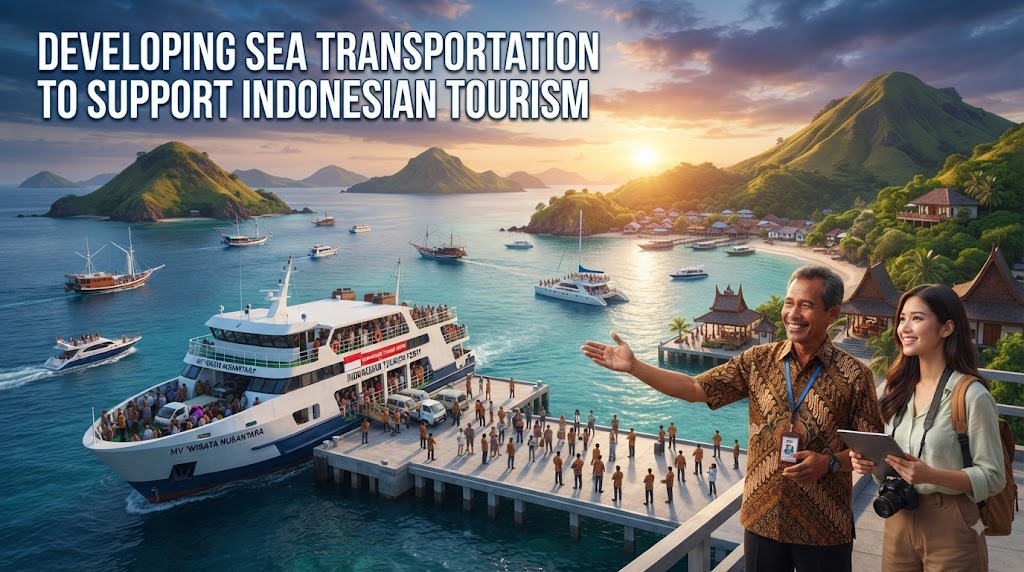
Indonesia is an archipelagic country with thousands of islands and a wide range of marine destinations. This geographical condition makes sea transportation an important part of tourism development. Ships, ferries, speedboats, and other marine transportation can connect tourists with islands that are difficult to reach by land or air. Reliable transportation can make tourist destinations more accessible and comfortable. Therefore, developing sea transportation is an important step toward supporting sustainable tourism growth in Indonesia.
The development of maritime tourism transportation is not only about adding more vessels. It also involves improving ports, safety systems, schedules, digital services, environmental standards, and connections with other modes of transportation. A well-integrated transportation system can reduce travel difficulties and improve the overall tourist experience. Better connectivity can also create new economic opportunities for local communities. With appropriate planning, sea transportation can strengthen tourism connectivity while supporting regional development.
THE IMPORTANCE OF SEA TRANSPORTATION FOR TOURISM
Sea transportation provides access to many Indonesian destinations located on islands and coastal areas. Tourists can use ferries, passenger ships, fast boats, and other vessels to reach popular and developing destinations. Tourism transportation is especially important for areas where road networks are limited or unavailable. Reliable marine connections can make travel more convenient and encourage visitors to explore less accessible locations.
Better transportation can also increase the attractiveness of a destination. Tourists generally prefer routes that are safe, clear, affordable, and easy to access. When transportation services are reliable, visitors can plan their trips with greater confidence. Increased tourist arrivals can benefit hotels, restaurants, guides, local shops, and transportation providers. As a result, improving sea transportation can contribute to broader tourism development.
IMPROVING PORT INFRASTRUCTURE
Ports serve as important entry and exit points for tourists traveling by sea. Tourism ports need adequate passenger terminals, waiting areas, boarding facilities, sanitation services, information systems, and safety equipment. Clean and well-organized ports can create a positive first impression for visitors. Poor facilities, on the other hand, can make travel uncomfortable and reduce visitor satisfaction.
Port development should consider the characteristics of each destination. Small islands may need compact facilities that match local conditions rather than large commercial terminals. Accessibility for elderly passengers and people with disabilities should also be considered. Clear signs and easy-to-understand information can help tourists navigate terminals more easily. Improving port infrastructure can make sea travel safer, faster, and more comfortable.
DEVELOPING SAFE TOURIST VESSELS
Safety is one of the most important factors in tourism transportation. Tourist vessels must be properly maintained and operated according to applicable maritime safety standards. Marine safety includes vessel inspections, passenger capacity control, emergency equipment, navigation systems, and crew preparedness. Passengers should also receive clear information about emergency procedures before departure.
Weather and sea conditions can change quickly in Indonesia. Operators need reliable weather information and should make responsible decisions when conditions become unsafe. Life jackets and other emergency equipment must be available and properly maintained. Crew members should receive regular training in emergency response and passenger assistance. Strong safety management can increase tourist confidence in sea transportation.
INTEGRATING SEA AND LAND TRANSPORTATION
Sea transportation should not operate separately from other transportation services. Tourists often need roads, buses, taxis, motorcycles, or other vehicles after arriving at a port. Integrated transportation can make travel from the visitor's starting point to the final destination more convenient. Poor connections between ports and tourist attractions can create unnecessary delays and additional costs.
Transportation schedules should be coordinated whenever possible. Digital platforms can provide information about ferry departures, local transportation, accommodation, and tourist attractions. Clearly marked pickup and drop-off areas can also improve passenger movement. Better integration can reduce travel uncertainty and improve the overall tourism experience. It can also encourage tourists to visit destinations that previously seemed difficult to access.
USING DIGITAL TECHNOLOGY
Digital technology can improve both the efficiency and convenience of tourism transportation. Online ticketing allows tourists to reserve seats before arriving at a port. Digital tourism services can also provide schedules, route information, weather updates, and travel notifications. Real-time information can help passengers respond to delays or schedule changes.
Ports and operators can use digital systems to manage passenger numbers and vessel schedules. Electronic payment systems can make transactions faster and reduce the need for physical cash. GPS tracking can help operators monitor vessel locations. Digital customer service can also provide tourists with important travel information. These technologies can make sea transportation more modern and user-friendly.
IMPROVING TRANSPORTATION SCHEDULES
Reliable schedules are important for tourists because travel plans often involve multiple activities and destinations. Delays or irregular departures can cause visitors to miss hotel check-ins, tours, or connecting transportation. Reliable schedules can improve passenger confidence and reduce unnecessary waiting time. Operators should consider demand patterns when preparing routes and departure times.
Additional services may be needed during weekends, holidays, or peak tourism seasons. At the same time, schedules should remain efficient during periods of lower demand. Digital booking data can help operators understand passenger patterns. Better scheduling can reduce overcrowding and improve vessel utilization. A balanced schedule can benefit both tourists and transportation providers.
MAKING SEA TRANSPORTATION AFFORDABLE
Transportation costs can influence tourists when choosing destinations. High fares may discourage visitors, particularly domestic travelers and families. Affordable sea transportation can make island destinations more accessible to a wider range of tourists. However, affordability should be balanced with safety, service quality, and the operating costs of transportation providers.
Government policies and appropriate business models can help maintain reasonable fares. Transparent pricing can also prevent confusion and unexpected costs for tourists. Special services or promotional fares may be useful during certain tourism periods. Efficient vessel operations can reduce unnecessary expenses. Competitive and fair pricing can support tourism growth while maintaining sustainable transportation services.
SUPPORTING LOCAL COMMUNITIES
The development of sea transportation can create economic opportunities for communities near tourist destinations. Local residents can work as boat operators, port staff, guides, hospitality workers, food sellers, and other tourism service providers. Local tourism development can therefore benefit from better maritime connectivity. Increased visitor activity can create demand for local products and services.
However, tourism development should be managed responsibly. Local communities should have opportunities to participate in planning and benefit from tourism-related economic activities. Excessive tourism growth can place pressure on local resources and infrastructure. Community involvement can help ensure that development matches local needs. Inclusive tourism can create long-term economic benefits without weakening local culture and community life.
ADDRESSING WEATHER AND SEASONAL CHALLENGES
Indonesia's maritime conditions can vary significantly throughout the year. Strong winds, high waves, storms, and heavy rainfall can affect vessel operations. Weather management is therefore essential for safe tourism transportation. Operators need accurate forecasts and clear procedures for dealing with unfavorable conditions.
Tourism demand can also change during holidays and peak seasons. Transportation providers may need additional vessels or more frequent services when demand increases. Proper planning can reduce overcrowding and excessive waiting times. Safety should remain the main priority even during periods of high tourist demand. Flexible transportation planning can help operators respond to changing conditions.
STRENGTHENING GOVERNMENT AND PRIVATE SECTOR COOPERATION
The development of tourism transportation requires cooperation between government agencies, private companies, local authorities, and communities. Government institutions can provide regulations, infrastructure, safety oversight, and development programs. Private operators can contribute investment, technology, and transportation services. Public private cooperation can help accelerate improvements in maritime tourism.
Clear responsibilities are important for ensuring that projects are implemented effectively. Investment should focus on destinations with realistic tourism potential and community benefits. Regulations should support innovation while maintaining safety and environmental standards. Regular evaluation can help identify problems and improve transportation services. Strong cooperation can create a more coordinated tourism transportation system.
CHALLENGES IN DEVELOPING SEA TOURISM TRANSPORTATION
Developing sea transportation for tourism also involves several challenges. Infrastructure costs can be high, especially in remote islands. Tourism transportation challenges can include limited port facilities, unpredictable weather, high operating costs, environmental concerns, and shortages of skilled workers. These challenges require solutions that consider both local conditions and long-term sustainability.
Not every destination needs the same transportation model. Some areas may require regular ferry services, while others may benefit more from smaller tourist boats. Investment decisions should be based on passenger demand, geographic conditions, environmental capacity, and economic potential. Technology can help improve services, but it must be supported by appropriate infrastructure and trained workers. Careful planning can reduce risks and improve the effectiveness of tourism transportation development.
THE FUTURE OF SEA TRANSPORTATION FOR INDONESIAN TOURISM
The future of sea transportation in Indonesian tourism will likely involve greater use of digital technology, cleaner vessels, improved ports, and integrated transportation networks. Smart tourism transportation can provide tourists with real-time information and easier booking services. Electric and hybrid vessels may become more suitable for certain short-distance tourism routes as technology develops. Cleaner operations can also support environmental protection.
Future development should focus not only on increasing tourist numbers but also on improving the quality and sustainability of tourism. Better transportation can spread tourism benefits to more islands and local communities. Digital systems can make travel planning easier and more transparent. Sustainable vessel and port technologies can reduce environmental impacts. With coordinated development, sea transportation can become a strong foundation for Indonesia's long-term tourism growth.
CONCLUSION
Developing sea transportation is essential for supporting Indonesian tourism, particularly because of the country's geographical characteristics as an archipelagic nation. Better vessels, ports, schedules, safety systems, digital services, and land connections can make island destinations easier to reach. Improved transportation can also create opportunities for local businesses and communities.
The future of tourism transportation should combine accessibility, safety, comfort, technology, economic opportunity, and environmental sustainability. Cooperation between government, private companies, communities, and tourism stakeholders is necessary to achieve these goals. With careful planning and continuous innovation, sea transportation can strengthen tourism connectivity and help Indonesia develop more competitive and sustainable destinations.
About the Author
Gusti Ayu Tita P
Author — STEKOM University
An active author focused on academic issues, educational technology, and human resource development in the campus environment.















