
Different Perspectives on the Journey to the Afterlife
Gusti Ayu Tita P
9 September 2026
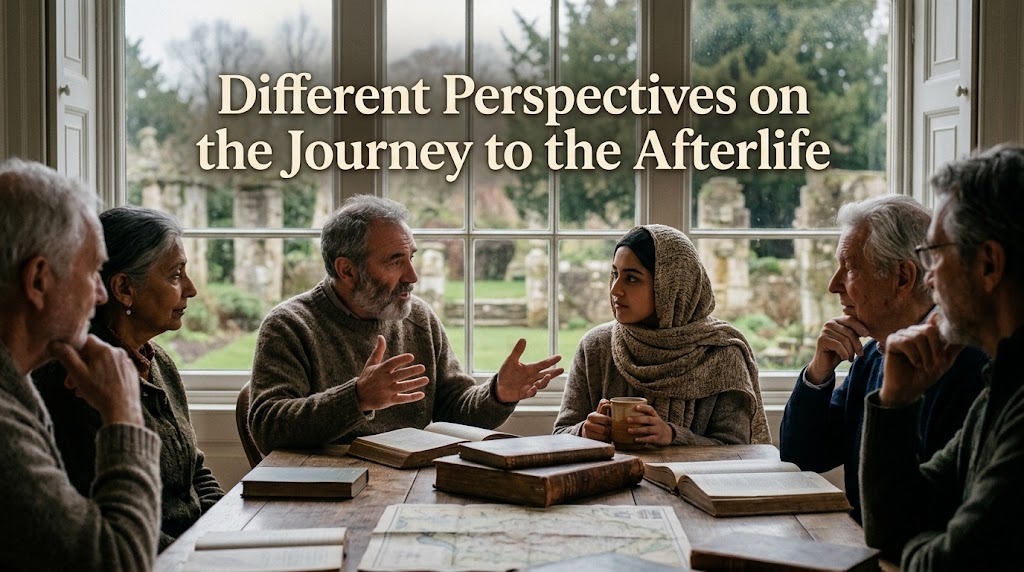
The afterlife is one of the oldest and most meaningful subjects in human history. People from different cultures and belief systems have developed various ideas about what may happen after physical death. Some believe that the soul continues its journey into another spiritual realm, while others understand death as a transition, rebirth, or the end of individual consciousness. These different perspectives show how humans have tried to understand one of life's greatest mysteries.
Although no scientific evidence has confirmed what happens after death, beliefs about the afterlife continue to influence religion, culture, morality, and personal values. Understanding these perspectives does not require accepting one particular belief. Instead, learning about them can help people appreciate the diversity of human thought and the ways societies respond to questions about existence, death, and meaning.
DIFFERENT RELIGIOUS VIEWS OF THE AFTERLIFE
Religious traditions offer some of the most influential explanations about the journey after death. In Christianity, Islam, and Judaism, beliefs about an afterlife commonly include ideas about judgment and a continuing spiritual existence, although each tradition has its own teachings and interpretations. In Hindu traditions, the concept of rebirth is closely connected with karma and the continuing journey of the soul. Buddhism also teaches rebirth but approaches the concept through ideas about consciousness, karma, and liberation rather than an eternal soul in the same sense found in some other religions.
These differences demonstrate that there is no single religious interpretation of what happens after death. Some traditions emphasize heaven and hell, while others focus on reincarnation, spiritual liberation, or another form of existence. Religious teachings can also vary within the same tradition because interpretations may differ between communities and individuals. As a result, the concept of the afterlife is both diverse and deeply connected to each belief system.
THE AFTERLIFE AS A SPIRITUAL JOURNEY
Many people understand death not as an absolute ending but as a transition to another state of existence. In this perspective, the physical body may disappear, while the soul, spirit, or consciousness continues in another form. Some spiritual traditions describe this journey as movement toward a higher realm, while others present it as a process of purification, transformation, or preparation for another existence.
The idea of a spiritual journey can provide people with a sense of hope and continuity. It may help individuals cope with the loss of loved ones and think about death in a broader philosophical context. However, spiritual interpretations are based on faith, tradition, or personal experience rather than conclusions that have been scientifically established. For this reason, people may reach very different conclusions about what the journey after death means.
HOW CULTURES IMAGINE LIFE AFTER DEATH
Ideas about the afterlife have appeared in stories, rituals, artwork, literature, and traditions across human history. Ancient civilizations often created detailed descriptions of worlds beyond physical life. For example, ancient Egyptian beliefs included a journey through the realm of the dead, while ancient Greek traditions described different destinations for souls after death. Such beliefs were often connected to burial practices and ideas about morality.
Modern cultures continue to develop their own interpretations of life after death. Movies, books, folklore, and family traditions can shape how people imagine life beyond death. These cultural expressions may not always represent formal religious teachings, but they can influence public understanding and personal beliefs. As cultures interact and change, ideas about the afterlife can also evolve over time.
WHY PEOPLE BELIEVE IN AN AFTERLIFE
The belief in an afterlife may be connected to several human needs and questions. People naturally wonder about what happens after death, especially because death is an experience that everyone eventually encounters but cannot fully explain from personal experience. Believing in continued existence can also provide comfort when people experience grief and separation from someone they love.
Afterlife beliefs can also influence how individuals understand purpose and morality. In some belief systems, actions during life are connected to consequences after death, which can encourage people to behave according to certain ethical principles. At the same time, not everyone believes in an afterlife, and many people find meaning through relationships, achievements, compassion, or contributions made during their lifetime. This shows that humans can develop different ways of finding meaning in the face of mortality.
WHAT DIFFERENT AFTERLIFE PERSPECTIVES CAN TEACH US
Studying different perspectives on the afterlife can teach people about the diversity of human beliefs. Although traditions may disagree about what happens after death, many of them address similar questions about morality, purpose, human behavior, and the meaning of existence. Comparing these perspectives can encourage greater understanding and respect between people with different backgrounds.
The subject can also encourage individuals to reflect on how they live in the present. Whether someone believes in heaven, rebirth, spiritual continuation, or no afterlife at all, the uncertainty surrounding death can make life and relationships feel more meaningful. Exploring these perspectives is therefore not only about imagining what comes after death but also about understanding how beliefs influence the way people live today.
CONCLUSION
The journey to the afterlife is understood in many different ways around the world. Religious traditions, spiritual beliefs, cultural practices, and personal experiences have created diverse explanations about what may happen after physical death. Some perspectives emphasize judgment and eternal existence, while others focus on rebirth, spiritual transformation, or different forms of continuation.
Although the ultimate nature of the afterlife remains a matter of belief rather than established scientific knowledge, exploring different perspectives can broaden our understanding of humanity. More importantly, these beliefs encourage people to reflect on life, morality, purpose, relationships, and mortality. By learning about different views respectfully, we can better understand both the mystery of death and the many ways humans give meaning to life.
About the Author
Gusti Ayu Tita P
Author — STEKOM University
An active author focused on academic issues, educational technology, and human resource development in the campus environment.















