
Digital Communities as a Platform for Learning and Knowledge Sharing
Gusti Ayu Tita P
7 Agustus 2026
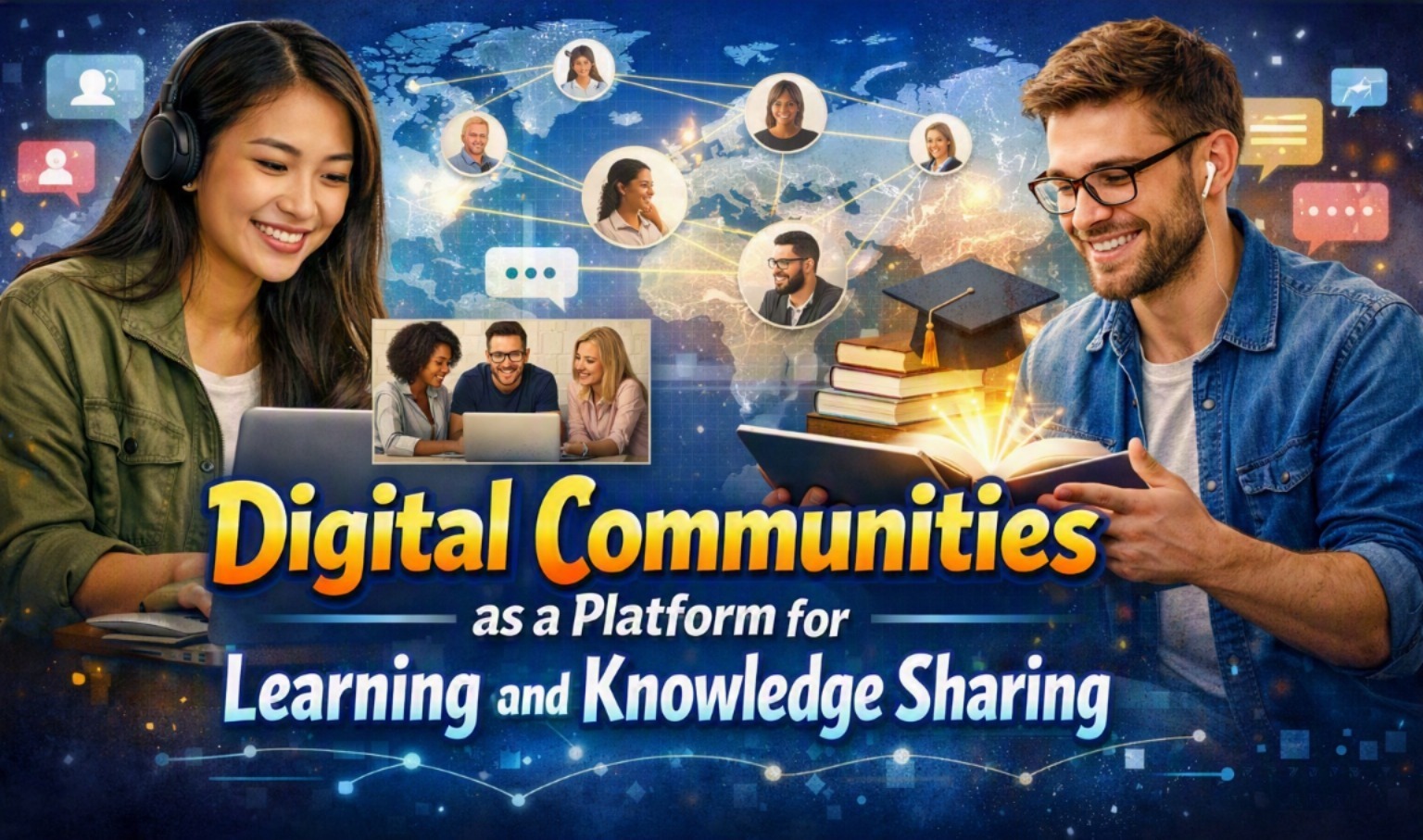
The rapid growth of the internet has changed the way people learn and exchange information. Today, digital communities have become an important platform where individuals from different backgrounds can connect, collaborate, and develop new skills. Whether through online forums, social media groups, professional networks, or educational platforms, people can access valuable knowledge anytime and from anywhere. This convenience has made digital communities a powerful tool for both personal and professional growth.
Unlike traditional learning environments, digital communities encourage interactive learning and knowledge sharing among members. Participants are not only learners but also contributors who share experiences, answer questions, and provide practical insights. As a result, learning becomes more engaging, relevant, and accessible to a wider audience.
BENEFITS OF DIGITAL COMMUNITIES FOR LEARNING
Digital communities provide an environment where learning is continuous and collaborative. Members can ask questions, participate in discussions, attend webinars, and access educational resources without geographical limitations. This flexibility allows people to improve their knowledge according to their own schedules and interests. It also encourages lifelong learning because information is always evolving and being updated by community members.
In addition, digital communities expose individuals to diverse perspectives from experts and peers around the world. Different viewpoints help members understand topics more deeply and develop critical thinking skills. The opportunity to learn directly from real experiences often provides practical knowledge that cannot always be found in textbooks. This collaborative atmosphere makes learning more meaningful and effective.
HOW KNOWLEDGE SHARING CREATES VALUE?
Knowledge sharing is one of the strongest advantages of digital communities. Members freely exchange ideas, best practices, tutorials, and problem-solving strategies that benefit everyone involved. Instead of keeping valuable information private, participants contribute to collective growth by helping others overcome challenges. This culture strengthens relationships and builds trust among community members.
Sharing knowledge also promotes continuous improvement. When members receive feedback from others, they can refine their ideas and discover better solutions. Constructive discussions encourage innovation because different experiences often lead to creative approaches. Over time, the community becomes a reliable source of updated and practical information for all participants.
THE ROLE OF DIGITAL COMMUNITIES IN PROFESSIONAL DEVELOPMENT
Professionals increasingly rely on digital communities to enhance their careers and stay informed about industry trends. They can join specialized groups related to technology, business, education, healthcare, marketing, and many other fields. These communities provide opportunities to learn from experienced professionals, discuss current challenges, and discover new career opportunities.
Furthermore, active participation helps individuals build professional networks that may lead to collaborations, mentorships, or employment opportunities. Sharing expertise and engaging in discussions also improves personal credibility within the community. As industries continue to evolve rapidly, staying connected through digital communities helps professionals remain competitive and adaptable.
CHALLENGES OF LEARNING IN DIGITAL COMMUNITIES
Although digital communities offer many advantages, users should also recognize certain challenges. One common issue is the spread of misinformation, where inaccurate or outdated information can easily circulate if content is not verified. Members should always evaluate sources carefully and compare information from multiple reliable references before applying it. Developing digital literacy is essential for making informed decisions.
Another challenge is maintaining active engagement within the community. Some members may consume information without contributing, while others may lose interest over time. Successful digital communities encourage respectful communication, meaningful discussions, and consistent participation from all members. A supportive environment motivates people to continue learning and sharing valuable insights.
TIPS FOR MAXIMIZING LEARNING THROUGH DIGITAL COMMUNITIES
To gain the greatest benefit from digital communities, individuals should actively participate instead of simply observing discussions. Asking thoughtful questions, sharing useful experiences, and contributing helpful resources create a positive learning environment. Consistent interaction also helps members build stronger relationships with others who share similar interests and goals.
Choosing communities with credible moderators, clear guidelines, and high-quality discussions is equally important. Members should verify information before sharing it and remain open to constructive feedback from others. By combining curiosity, collaboration, and critical thinking, digital communities can become powerful platforms for continuous learning and long-term knowledge development.
CONCLUSION
Digital communities have transformed the way people learn, collaborate, and exchange knowledge in the digital era. Their ability to connect individuals across different locations creates endless opportunities for education, innovation, and professional development. When members actively participate and share reliable information, everyone benefits from collective intelligence and diverse experiences. As technology continues to advance, digital communities will remain one of the most valuable platforms for learning and knowledge sharing worldwide.
About the Author
Gusti Ayu Tita P
Author — STEKOM University
An active author focused on academic issues, educational technology, and human resource development in the campus environment.















