Digital Habits of Gen Z That Are Changing the Workplace
Gusti Ayu Tita P
14 Agustus 2026
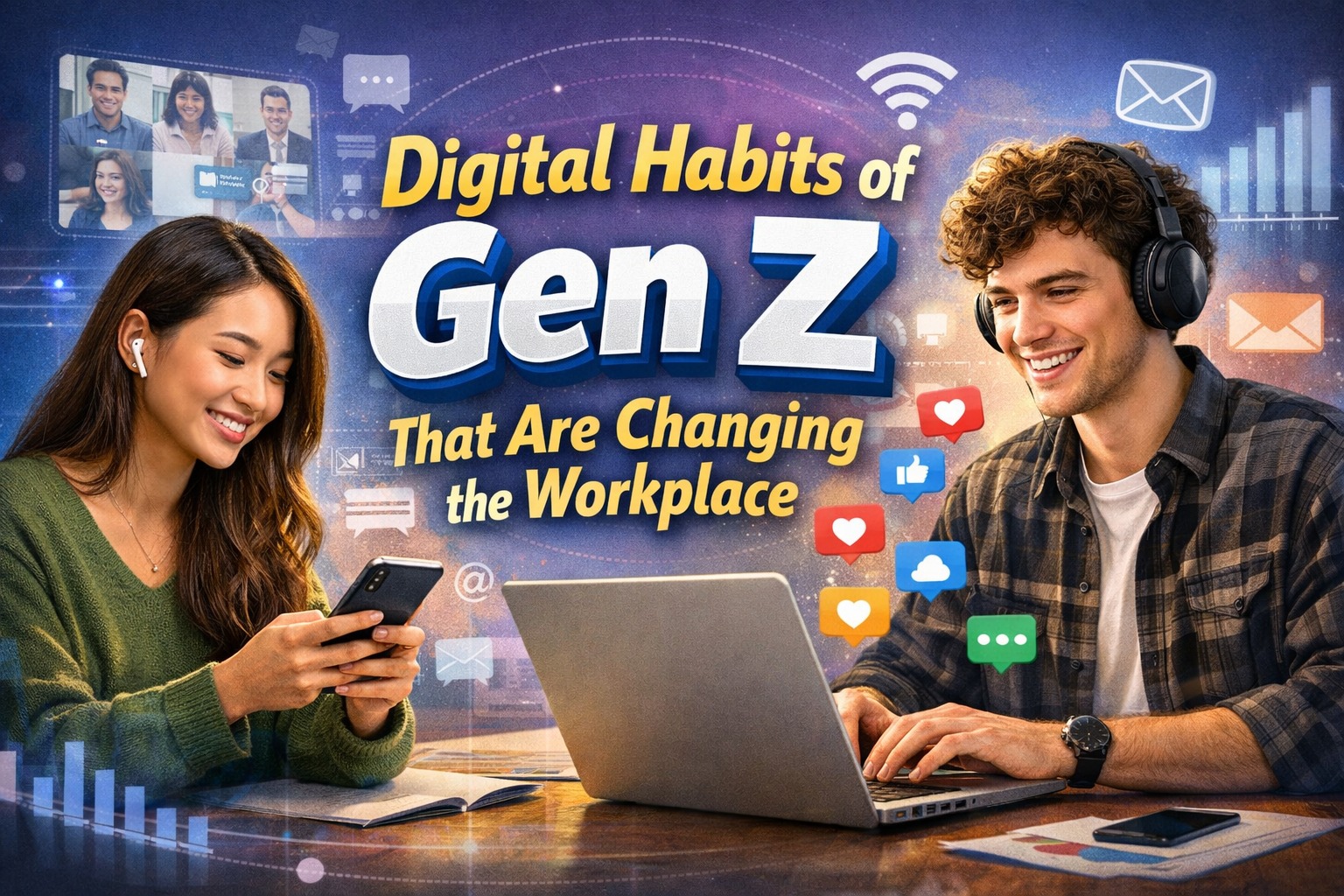
The modern workplace is experiencing a major transformation because of the influence of Generation Z. As the first generation to grow up fully connected to the internet, Gen Z brings unique digital habits that are reshaping how companies communicate, collaborate, and grow. Their ability to adapt quickly to technology has encouraged businesses to modernize work systems and improve digital efficiency.
Today, many organizations are adjusting their work culture to match the expectations and behaviors of younger employees. From remote collaboration to fast communication styles, Gen Z is helping create a workplace that is more flexible, innovative, and technology-driven. Understanding these habits is important for companies that want to remain competitive in the digital era.
DIGITAL-FIRST COMMUNICATION STYLE
One of the biggest workplace changes influenced by Gen Z is the preference for fast and digital communication. Instead of relying heavily on long emails or formal meetings, Gen Z workers often choose instant messaging platforms, collaborative apps, and video calls. They value communication that is quick, clear, and easy to access from anywhere.
This habit increases workplace efficiency because information can be shared in real time. Many companies now use tools like team chats, project management platforms, and cloud-based communication systems to support smoother collaboration. As a result, businesses become more responsive and adaptable in handling tasks and projects.
STRONG DEPENDENCE ON DIGITAL LEARNING
Gen Z employees are known for their strong interest in online learning and self-development. They regularly use digital platforms to improve skills in areas such as coding, graphic design, marketing, and public speaking. This habit encourages continuous learning in the workplace.
Companies are responding by providing access to online courses, webinars, and digital certifications. Employees can now learn new skills faster without attending traditional classroom training. This creates a workforce that is more flexible, productive, and prepared for future industry changes.
PREFERENCE FOR FLEXIBLE WORK ENVIRONMENTS
Another important habit is Gen Z’s preference for flexible and remote working systems. Many young professionals believe productivity does not always depend on working from a physical office. They are comfortable using digital tools to complete tasks from home, coworking spaces, or other locations.
Because of this mindset, hybrid work systems are becoming more common in many industries. Businesses that offer flexibility are often more attractive to younger talent. Flexible working environments also improve work-life balance and employee satisfaction, which can increase long-term productivity.
HIGH USE OF SOCIAL MEDIA AND DIGITAL BRANDING
Gen Z spends a large amount of time on social media platforms, and this behavior also impacts workplace culture. They understand how digital branding works and often help companies improve online visibility through creative content and audience engagement. Their familiarity with trends makes them valuable in marketing and communication roles.
Many organizations now encourage employees to contribute ideas for social media campaigns and digital promotion strategies. This approach helps companies build stronger connections with modern consumers. In addition, Gen Z workers often support personal branding, which can positively influence professional networking and career growth.
TECHNOLOGY-DRIVEN PROBLEM SOLVING
Gen Z employees are highly skilled in using technology to solve problems quickly. They prefer using automation tools, artificial intelligence, and digital applications to improve efficiency. Instead of depending only on manual methods, they actively search for smarter and faster solutions.
This habit helps businesses reduce operational delays and improve productivity. Companies that adopt modern technology can benefit from better teamwork, faster decision-making, and improved customer service. The growing use of digital solutions also pushes organizations to continue innovating in a competitive market.
FOCUS ON PURPOSE AND DIGITAL IMPACT
Unlike previous generations, many Gen Z workers want jobs that provide meaningful impact. They are attracted to companies that use technology responsibly and support social or environmental causes. Digital transparency and ethical business practices are often important factors when choosing a workplace.
Businesses that align with these values can build stronger relationships with younger employees. Gen Z appreciates companies that communicate openly and create positive digital experiences for both workers and customers. This mindset is encouraging organizations to become more socially aware and digitally responsible.
CONCLUSION
The digital habits of Gen Z are significantly changing the modern workplace. Their preference for fast communication, flexible work systems, digital learning, and technology-based solutions is helping businesses evolve in the digital age. Companies that understand these changes can create more innovative and productive work environments.
As Gen Z continues to enter the workforce, their influence will likely grow even stronger. Organizations that embrace digital transformation and adapt to new working styles will have better opportunities to succeed in the future economy.
About the Author
Gusti Ayu Tita P
Author — STEKOM University
An active author focused on academic issues, educational technology, and human resource development in the campus environment.