
Digital Innovation In Sea Transportation Systems
Gusti Ayu Tita P
11 Agustus 2026
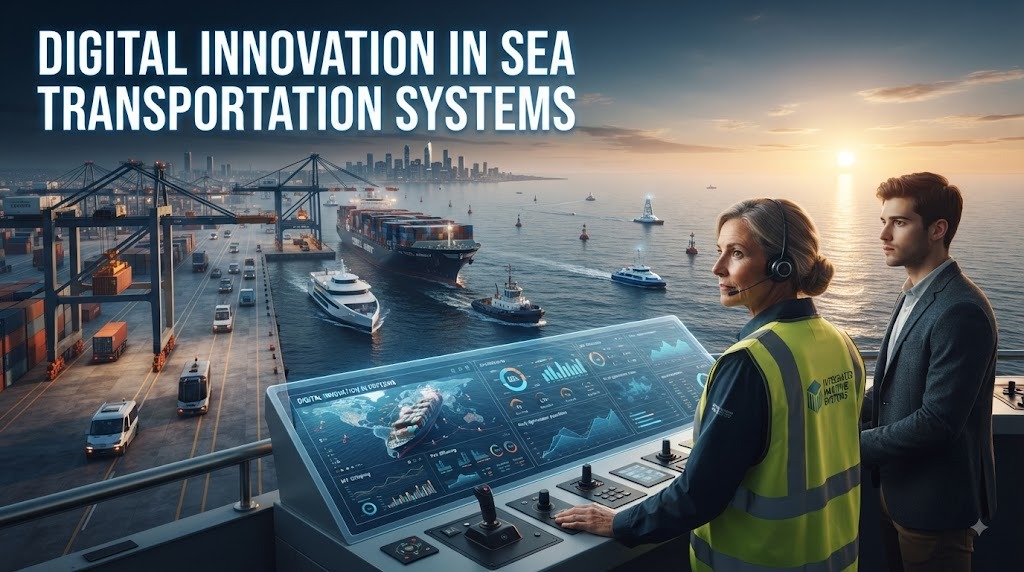
Digital technology is changing the way sea transportation is operated, managed, and monitored. Shipping companies, ports, logistics providers, and maritime authorities are increasingly using digital systems to improve efficiency and safety. These technologies can help manage vessels, cargo, routes, documentation, and communication more effectively. Digital innovation can reduce delays, improve information sharing, and support better decision-making. For an archipelagic country such as Indonesia, digital transformation can also strengthen connections between islands and economic regions.
The development of digital maritime systems is not only about replacing manual processes with computers. It involves creating connected systems that allow information to move between ships, ports, logistics companies, and authorities. Real-time data can help stakeholders respond faster to changing conditions. Smart maritime technology can also support environmental sustainability by improving fuel and route efficiency. However, successful digital transformation requires infrastructure, skilled workers, cybersecurity, and appropriate regulations.
THE IMPORTANCE OF DIGITAL INNOVATION
Digital innovation has become increasingly important because maritime transportation involves many complex activities. Ships must coordinate with ports, cargo owners, logistics providers, and authorities throughout a journey. Manual processes can take more time and may create errors when information is transferred between different parties. Digital systems can centralize information and make communication more efficient.
Better information can help companies make decisions based on real-time conditions. Operators can monitor vessel movements, cargo status, port capacity, and transportation schedules. This visibility can reduce uncertainty and improve planning. Digital innovation can also improve customer services by providing more accurate shipment information. As a result, maritime operations can become more efficient and transparent.
SMART PORT TECHNOLOGY
Ports are important parts of the maritime supply chain, and digital technology can significantly improve their operations. Smart ports use connected systems to manage vessels, cargo, equipment, and administrative processes. Smart port technology can help reduce waiting times and improve the use of port facilities. It can also provide better coordination between port operators and shipping companies.
Automated equipment and digital scheduling systems can improve cargo handling. Sensors can monitor equipment performance and identify potential problems before major failures occur. Digital platforms can also help coordinate vessel arrivals and departures. However, smart port development requires investment in infrastructure and workforce training. When implemented properly, smart technology can make ports more productive and competitive.
REAL TIME VESSEL TRACKING
Vessel tracking is one of the most useful applications of digital technology in maritime transportation. Tracking systems can provide information about a ship's position, speed, direction, and estimated arrival time. Real time tracking allows operators to monitor vessels throughout their journeys. This information can improve communication between ships, ports, logistics companies, and customers.
Tracking data can also support safety and emergency response. If a vessel deviates from its planned route or experiences an unexpected delay, operators can identify the situation more quickly. Customers can receive more accurate information about cargo delivery. Authorities can use tracking information to improve maritime traffic monitoring. Reliable tracking systems therefore provide both operational and safety benefits.
DIGITAL CARGO MANAGEMENT
Cargo management involves booking, documentation, loading, tracking, storage, and delivery. Digital systems can connect these activities and reduce dependence on paper-based processes. Digital cargo management can improve the accuracy of shipment information and reduce administrative errors. Companies can also monitor cargo status more easily.
Electronic documentation can speed up administrative procedures and make information easier to share. Cargo tracking systems can provide updates throughout the transportation process. Data can also help companies identify delays and improve delivery planning. However, digital cargo systems need reliable networks and proper cybersecurity protection. Efficient digital cargo management can make maritime logistics faster and more transparent.
ARTIFICIAL INTELLIGENCE IN MARITIME OPERATIONS
Artificial intelligence can support maritime operations by analyzing large amounts of data. AI systems can help identify patterns related to vessel routes, fuel consumption, weather conditions, and equipment performance. Artificial intelligence can support better operational decisions when combined with reliable data. It can also help predict potential problems before they become serious.
For example, predictive systems can analyze engine data and identify signs of possible equipment failure. AI-based route optimization can consider weather, traffic, and fuel efficiency. However, AI should support rather than completely replace professional judgment. Maritime personnel still need to understand system limitations and verify important decisions. Responsible AI implementation can improve efficiency while maintaining human oversight.
INTERNET OF THINGS IN SHIPPING
The Internet of Things allows physical devices and sensors to collect and exchange data. Ships can use sensors to monitor engines, fuel systems, cargo conditions, and other equipment. Internet of Things technology can provide real-time operational information to crews and shore-based operators. This can improve monitoring and maintenance.
Sensors can detect changes in temperature, pressure, vibration, or other important conditions. Early warnings can help crews address technical problems before they develop into major failures. IoT devices can also monitor sensitive cargo that requires specific environmental conditions. However, connected devices must be protected against unauthorized access. Proper cybersecurity and system management are essential for safe IoT implementation.
DIGITAL NAVIGATION SYSTEMS
Navigation is a critical part of maritime transportation, and digital tools can provide crews with more accurate information. Electronic charts, satellite positioning, radar, and other systems can support route planning and situational awareness. Digital navigation can help crews identify hazards and monitor nearby vessels. It can also support more efficient route selection.
Modern navigation systems can combine information from multiple sources. Weather data, vessel traffic information, and geographic data can help crews make better decisions. However, digital navigation systems can fail or provide inaccurate information if they are not properly maintained. Crews must therefore remain trained in traditional navigation and backup procedures. Combining technology with professional expertise provides stronger maritime safety.
AUTOMATION AND REMOTE MONITORING
Automation can reduce repetitive tasks and improve the consistency of certain maritime operations. Automated systems can monitor engines, cargo conditions, and other vessel functions. Remote monitoring allows shore-based teams to receive information without being physically present on the vessel. This can support maintenance and operational decision-making.
Automation can also help reduce human workload during routine activities. However, automated systems require careful testing, maintenance, and human supervision. Crew members must know how to respond when automated systems malfunction. Remote monitoring systems also need reliable communication networks. Responsible automation can improve efficiency while maintaining appropriate safety controls.
IMPROVING MARITIME SAFETY
Digital innovation can provide new tools for improving maritime safety. Real-time weather information, vessel tracking, navigation technology, and equipment monitoring can help identify risks. Maritime safety technology allows operators to receive important information faster. This can support better decisions during normal operations and emergencies.
Digital systems can also record operational data that can be analyzed after incidents. Companies can use this information to identify recurring problems and improve safety procedures. Emergency teams may receive vessel location and status information more quickly through connected systems. However, technology should complement proper training and safety management. A strong safety culture remains essential even in highly digital maritime operations.
IMPROVING FUEL EFFICIENCY
Fuel is a major operating cost for shipping companies, and digital technology can help optimize consumption. Data from engines and navigation systems can be analyzed to identify inefficient operating patterns. Fuel efficiency can improve through optimized routes, appropriate vessel speeds, and better engine management.
Digital systems can compare fuel consumption under different operating conditions. Operators can use this information to adjust routes and sailing practices. Lower fuel consumption can reduce operating costs and environmental emissions. However, fuel optimization should never compromise vessel safety or delivery requirements. A balanced approach can improve both economic and environmental performance.
CHALLENGES OF DIGITAL TRANSFORMATION
Digital transformation can provide many benefits, but it also presents challenges. High investment costs, limited digital infrastructure, lack of skilled workers, and cybersecurity risks may slow adoption. Digital transformation challenges can be particularly significant for smaller shipping companies and regional ports. These organizations may have fewer resources to invest in advanced technologies.
A gradual implementation strategy can help organizations manage these challenges. Companies can begin with systems that provide clear operational benefits and expand digital capabilities over time. Government support and industry cooperation can also encourage wider adoption. Training programs can reduce the skills gap. Practical and affordable digital solutions can make maritime technology more accessible to a wider range of operators.
THE FUTURE OF DIGITAL SEA TRANSPORTATION
The future of sea transportation will likely involve greater use of automation, artificial intelligence, connected sensors, smart ports, and real-time data. These technologies can improve efficiency while providing better information for decision-making. Digital maritime transformation can make shipping more connected, transparent, and responsive. However, technological development should remain focused on real operational needs.
Future maritime systems will also need strong cybersecurity and environmental standards. Workers will require new skills to manage increasingly digital operations. Cooperation between governments, shipping companies, technology providers, ports, and educational institutions will be important. Digital innovation should improve safety and efficiency without creating unnecessary complexity. With responsible implementation, technology can support a more modern and sustainable maritime sector.
CONCLUSION
Digital innovation is transforming sea transportation systems by improving vessel monitoring, cargo management, navigation, port operations, safety, and logistics. Technologies such as artificial intelligence, the Internet of Things, smart ports, real-time tracking, automation, and digital documentation can make maritime operations more efficient. These systems can also help reduce fuel consumption, improve environmental performance, and strengthen supply chain visibility.
However, successful digital transformation requires more than advanced technology. Cybersecurity, workforce development, infrastructure, system integration, and effective regulations must develop alongside digital innovation. Human expertise will remain essential for making safe and responsible decisions. With appropriate planning and cooperation, digital technology can help create a safer, more efficient, connected, and sustainable sea transportation system.
About the Author
Gusti Ayu Tita P
Author — STEKOM University
An active author focused on academic issues, educational technology, and human resource development in the campus environment.















