Do Gas Stations Provide Services Besides Fueling Vehicles?
Gusti Ayu Tita P
17 September 2026
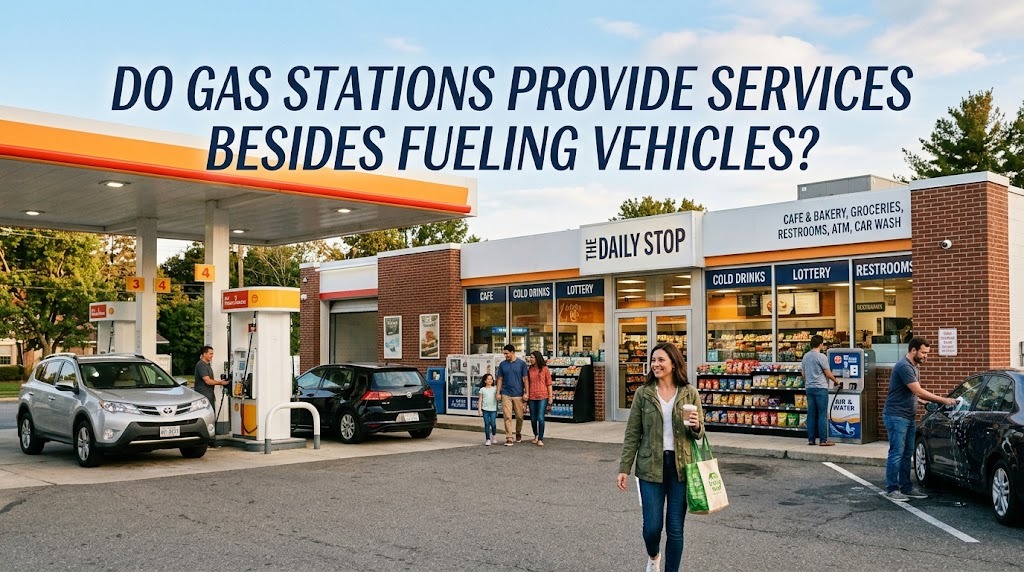
Gas stations are commonly associated with fueling vehicles, but many modern stations provide a wider range of services to support drivers and travelers. Depending on the location and station operator, visitors may find convenience stores, rest areas, ATMs, tire services, vehicle maintenance, toilets, and food facilities. These additional services make gas stations more useful during daily travel and long-distance trips. The available facilities can vary significantly between stations, so drivers should check what is offered before relying on a particular service. Understanding these facilities can help motorists plan their journeys more comfortably and efficiently.
CONVENIENCE STORES AND DAILY NEEDS
Many gas stations operate convenience stores where customers can purchase snacks, bottled water, beverages, personal care products, and other everyday necessities. These stores are especially useful for drivers who need something quickly without making an additional trip to a supermarket. Some locations may also sell automotive products such as engine oil, windshield cleaning products, or basic vehicle accessories. The selection depends on the size and management of the station. Drivers should check product labels and prices before making a purchase.
Convenience stores can also support travelers during long-distance journeys. A driver may stop to buy food or drinks while refueling the vehicle, saving time during the trip. Some larger stations provide seating areas where customers can take a short break. However, not every gas station has a store or offers the same range of products. Checking available facilities in advance can therefore make travel planning easier.
RESTROOMS AND REST AREAS
Clean restrooms are another important service commonly available at many gas stations. They provide drivers and passengers with a convenient place to take a short break, especially during long journeys. Larger gas stations may also have rest areas or seating spaces where travelers can relax for several minutes. These facilities can be particularly helpful for families traveling with children or people spending several hours on the road. The quality and availability of these facilities depend on the station.
Taking regular breaks can also make a journey more comfortable. Drivers who feel tired should avoid continuing to drive without adequate rest. A short stop at a gas station can provide an opportunity to use the restroom, drink water, and recover before continuing. However, drivers should use designated areas and follow the station's rules. Resting safely is an important part of responsible road travel.
FOOD AND BEVERAGE SERVICES
Some gas stations provide food and beverage services in addition to selling fuel. Depending on the location, these may include coffee counters, small restaurants, fast food outlets, bakeries, or ready-to-eat meals. Such facilities allow travelers to get refreshments without leaving the main route. They can be particularly convenient during road trips when stopping at several different locations would take extra time. Not all stations provide the same food options, so availability should be checked beforehand.
Food facilities can also turn a simple refueling stop into a short travel break. Drivers can eat, drink, and rest before continuing their journey. When choosing food, travelers should consider hygiene, freshness, and proper food storage. Gas station restaurants and food outlets should maintain appropriate cleanliness standards to protect customers. A comfortable and hygienic food area can improve the overall experience for visitors.
VEHICLE MAINTENANCE AND BASIC SERVICES
Some gas stations offer basic vehicle services beyond fuel dispensing. These services may include checking tire pressure, cleaning windshields, adding certain vehicle fluids, or providing basic maintenance assistance. Larger stations may have workshops or service areas where customers can request specific vehicle checks. However, the services available depend on the station's facilities and business model. Drivers should ask station staff about available services before requesting maintenance work.
Basic maintenance services can help motorists identify simple vehicle problems during a trip. For example, proper tire pressure can contribute to safer driving and efficient vehicle operation. Some stations may also provide car washing facilities to help maintain vehicle cleanliness. More complicated mechanical problems generally require a qualified repair facility rather than a standard fueling station. Drivers should therefore understand the difference between basic station services and professional vehicle repairs.
DIGITAL AND CONVENIENCE SERVICES
Modern gas stations are increasingly using digital technology to make transactions and customer services more convenient. Depending on the operator and country, customers may be able to pay for fuel using debit cards, mobile payments, digital wallets, or station applications. Some stations also provide digital receipts or loyalty programs that allow customers to collect points from purchases. These features can reduce the need to carry cash and make transactions faster. The payment methods available depend on the station and local financial infrastructure.
Technology can also help customers find information before arriving at a station. Digital maps and navigation applications can show station locations, while some platforms may provide information about operating hours and available facilities. Drivers should still verify important information because services and operating conditions can change. Digital convenience is becoming an increasingly important part of the modern gas station experience. These developments allow gas stations to provide more than traditional fuel services.
CONCLUSION
Gas stations can provide many services besides fueling vehicles, although the facilities differ from one location to another. Common additional services include convenience stores, restrooms, rest areas, food and beverages, basic vehicle services, and digital payment options. Larger stations may offer more extensive facilities, while smaller stations may focus mainly on fuel sales and essential services. Travelers should check available facilities when planning longer journeys. Overall, these additional services make gas stations valuable stopping points for drivers and passengers.
About the Author
Gusti Ayu Tita P
Author — STEKOM University
An active author focused on academic issues, educational technology, and human resource development in the campus environment.