Easy Recipes for Boarding Life
Gusti Ayu Tita P
4 September 2026
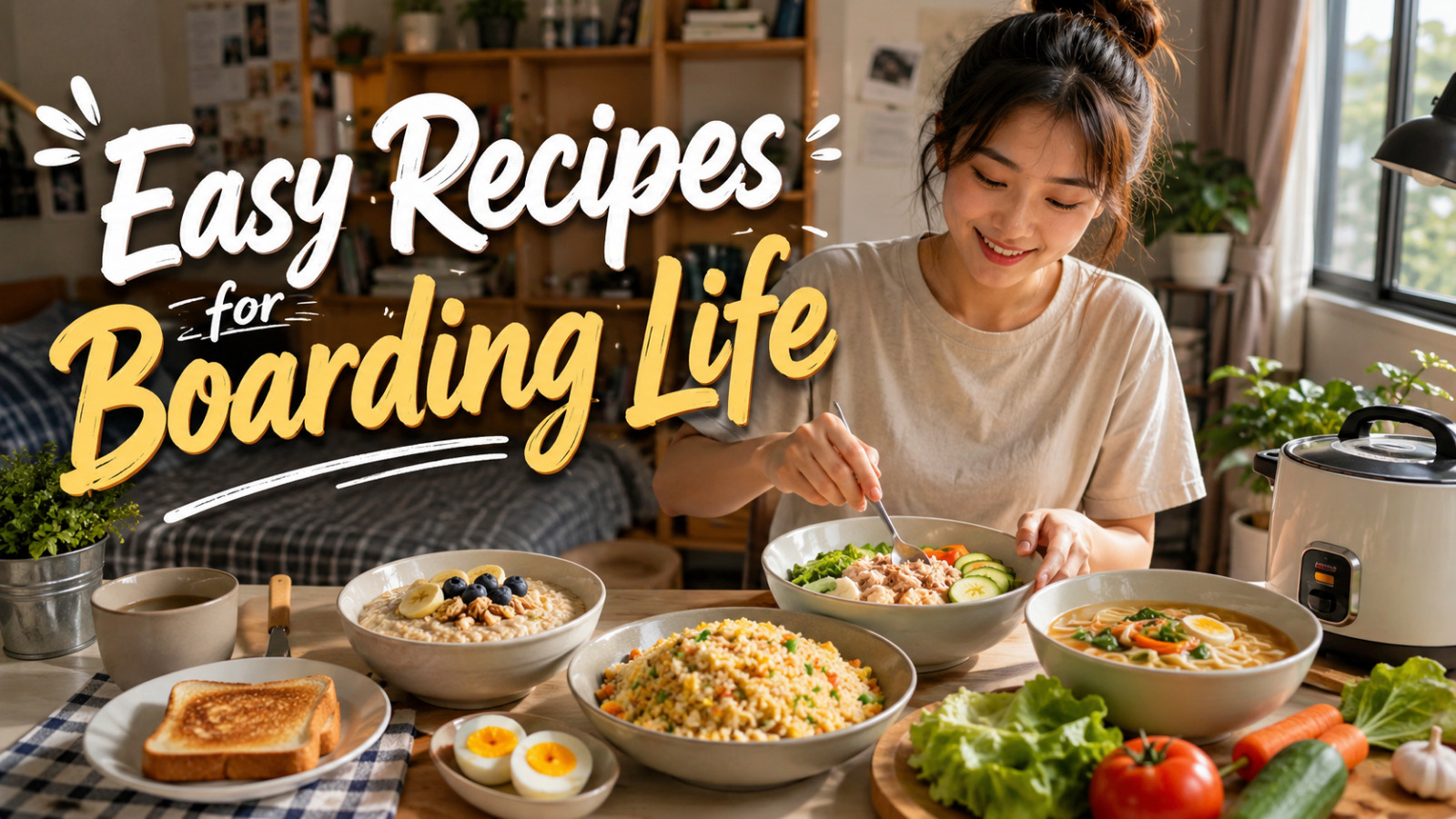
Living in a boarding house or dormitory often means having limited cooking equipment, a tight budget, and little time to prepare meals. However, eating healthy and delicious food is still possible with simple recipes that require only a few ingredients. Learning easy recipes can help students and young professionals save money while enjoying homemade meals every day.
This guide introduces practical recipes that are quick to prepare, affordable, and suitable for beginners. Whether you only have a rice cooker, an electric kettle, or a small stove, these recipes will make your boarding life easier and more enjoyable.
WHY EASY RECIPES ARE IMPORTANT FOR BOARDING LIFE
Preparing your own meals provides many benefits beyond saving money. Homemade food allows you to control the quality of ingredients, reduce unhealthy additives, and maintain a balanced diet. Even simple meals can provide enough nutrition when prepared with fresh ingredients.
Cooking also helps improve daily life skills and encourages independence. Instead of relying on fast food every day, you can create tasty meals with minimal effort. Over time, cooking becomes faster, easier, and more enjoyable.
ESSENTIAL INGREDIENTS TO ALWAYS KEEP
Keeping a few basic ingredients in your room makes cooking much more convenient. Rice, eggs, instant noodles, canned tuna, bread, vegetables, cooking oil, garlic, onions, soy sauce, salt, and pepper are versatile ingredients that can be used in many recipes. These items are affordable and have a relatively long shelf life.
You should also store simple seasonings like chili sauce, oyster sauce, and chicken stock powder to improve the flavor of your meals. Fresh vegetables such as carrots, spinach, tomatoes, and cabbage are excellent additions because they are nutritious and easy to cook.
QUICK EGG FRIED RICE
Egg fried rice is one of the easiest meals for boarding students. Start by cooking rice or using leftover rice from the previous day. Heat a little cooking oil, sauté chopped garlic until fragrant, then add beaten eggs and scramble them. Mix in the rice and season with soy sauce, salt, and pepper.
To make the dish healthier, add chopped carrots, green onions, or frozen mixed vegetables. You can also include sausage, chicken, or tuna for extra protein. This complete meal takes less than fifteen minutes to prepare and is filling enough for lunch or dinner.
SIMPLE VEGETABLE NOODLE SOUP
Instant noodles become healthier when combined with vegetables and protein. Boil the noodles according to the package instructions, then add spinach, cabbage, carrots, or bok choy during the final minutes of cooking. Crack an egg directly into the soup for additional nutrition.
You may also add tofu, fish balls, or shredded chicken to make the meal more satisfying. This recipe is warm, comforting, and perfect during rainy days or after long study sessions. It is an excellent choice for students who want a quick but balanced meal.
EASY TUNA RICE BOWL
A tuna rice bowl is a nutritious meal that requires very little preparation. Place freshly cooked rice in a bowl and top it with canned tuna mixed with mayonnaise or chili sauce. Add sliced cucumber, tomatoes, lettuce, or boiled eggs for extra freshness.
You can sprinkle sesame seeds or chopped spring onions for additional flavor. This meal is rich in protein, easy to customize, and suitable for busy days when you have limited cooking time. It is also ideal for meal preparation because the ingredients are easy to store.
HEALTHY OATMEAL BREAKFAST
Breakfast is an important meal that should not be skipped. Oatmeal is one of the healthiest breakfast options because it is rich in fiber and keeps you full for a longer time. Simply mix oats with hot water or milk and let them soften for several minutes.
Top your oatmeal with sliced bananas, apples, strawberries, honey, peanuts, or raisins. This breakfast is affordable, nutritious, and ready in less than ten minutes. It provides lasting energy for classes, work, or other daily activities.
TIPS FOR SAVING MONEY WHILE COOKING
Planning your meals before shopping helps reduce unnecessary spending. Create a weekly menu and buy only the ingredients you need. Purchasing vegetables and staple foods in local markets often costs less than buying them individually at convenience stores.
Cooking larger portions and storing leftovers properly can also save both time and money. Reusing ingredients in different recipes prevents food waste and makes your grocery budget more efficient. These simple habits help maintain healthy eating without increasing expenses.
FOOD SAFETY FOR BOARDING STUDENTS
Food safety should always be a priority, especially when living in a small room. Store perishable foods in a refrigerator whenever possible, and never leave cooked food at room temperature for too long. Wash vegetables thoroughly before cooking and always use clean utensils.
Regularly clean your cooking equipment to prevent bacteria from growing. Check expiration dates before using packaged ingredients and avoid consuming food that smells or looks unusual. Practicing good hygiene keeps your meals safe and protects your health.
CONCLUSION
Living in a boarding house does not mean sacrificing healthy and delicious meals. With a few basic ingredients and simple cooking methods, anyone can prepare affordable, nutritious, and satisfying food every day. Easy recipes not only help save money but also improve cooking skills and encourage a healthier lifestyle.
By planning meals wisely and using practical recipes like fried rice, noodle soup, tuna rice bowls, and oatmeal, boarding students can enjoy homemade food without spending too much time or effort. Small cooking habits today can lead to better health, greater independence, and smarter financial management in the future.
About the Author
Gusti Ayu Tita P
Author — STEKOM University
An active author focused on academic issues, educational technology, and human resource development in the campus environment.