
Eco-Friendly Ground Transportation Today
Gusti Ayu Tita P
11 Agustus 2026
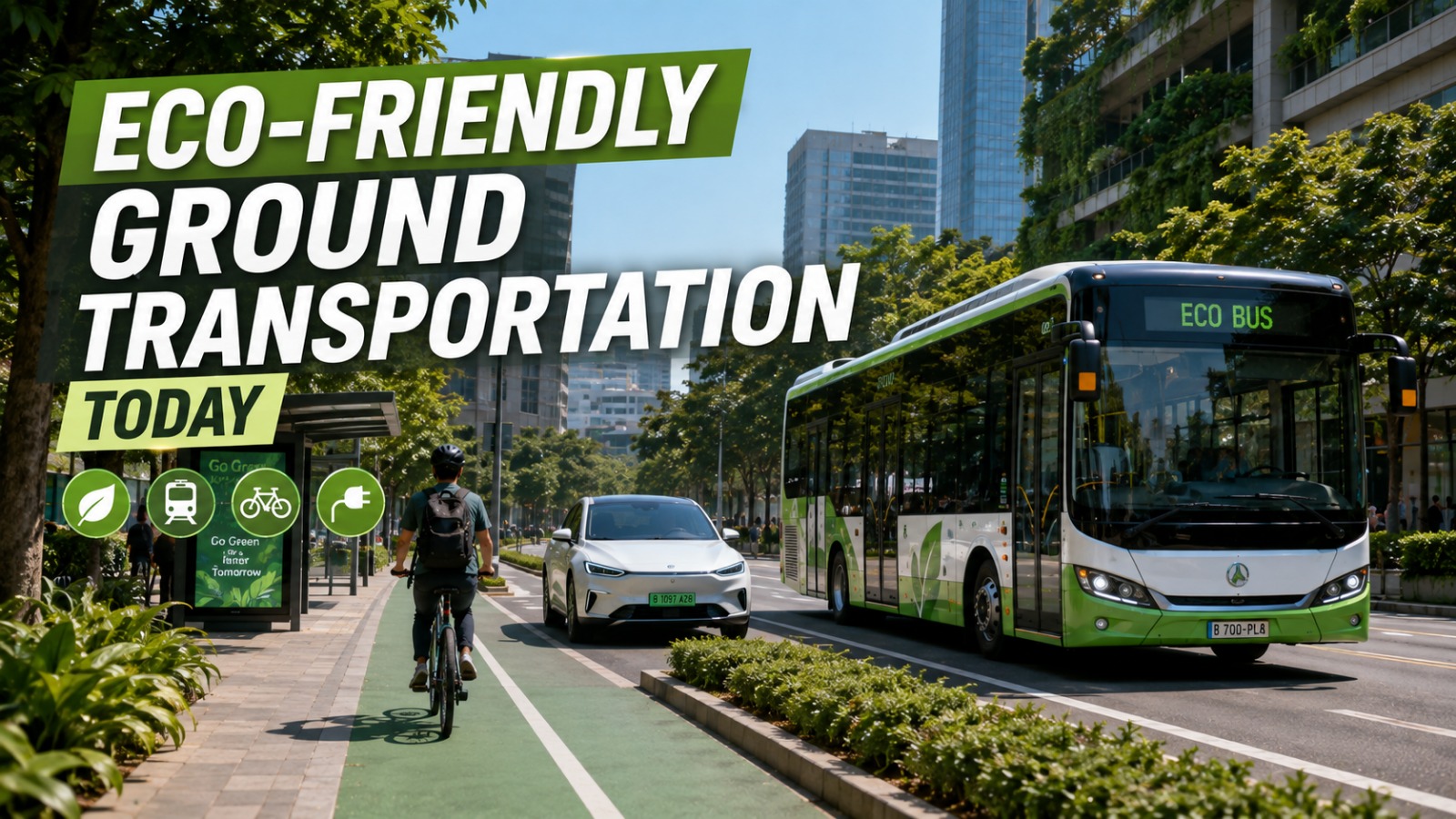
Eco-friendly ground transportation has become increasingly important as cities face traffic congestion, air pollution, and growing energy demand. Transportation is a major source of greenhouse gas emissions, making cleaner mobility an important part of efforts to reduce environmental impacts. Modern transportation systems are therefore moving toward cleaner vehicles, efficient public transit, and smarter mobility solutions.
Today, environmentally friendly transportation includes electric buses, electric cars, trains, bicycles, walking, and shared mobility services. These options can reduce dependence on conventional fossil fuels when they are supported by appropriate infrastructure and clean energy. The goal is not only to replace traditional vehicles but also to create a transportation system that is more efficient, accessible, and sustainable.
THE RISE OF ECO-FRIENDLY TRANSPORTATION
The demand for green transportation is growing as governments and communities look for ways to reduce emissions and improve urban air quality. Conventional vehicles powered by gasoline or diesel produce exhaust emissions that can contribute to air pollution. Cleaner transportation options can help reduce these emissions, particularly when electric vehicles use electricity generated from low-carbon energy sources.
The transition is also encouraged by improvements in vehicle technology. Battery systems are becoming more capable, while electric motors can provide efficient energy use during operation. At the same time, cities are investing in public transportation and infrastructure that supports cleaner travel. These developments are helping make sustainable mobility a more practical choice for everyday journeys.
ELECTRIC VEHICLES FOR CLEANER MOBILITY
Electric vehicles are one of the most visible developments in eco-friendly ground transportation. They use electric motors powered by batteries instead of conventional internal combustion engines. Because they have no direct tailpipe emissions during operation, electric vehicles can help reduce local air pollution in areas with heavy traffic.
However, the environmental benefits of electric vehicles depend on several factors. Electricity generation, battery manufacturing, vehicle size, and battery recycling all influence their overall environmental footprint. Expanding renewable energy and improving battery recycling can strengthen the long-term benefits of electric mobility. Electric vehicles should therefore be considered as part of a broader clean transportation strategy.
PUBLIC TRANSPORTATION AND URBAN SUSTAINABILITY
Efficient public transportation can play a major role in reducing the environmental impact of urban mobility. Buses and trains can carry many passengers in a single journey, potentially reducing the number of individual vehicles on busy roads. When public transportation is reliable, affordable, and convenient, more people may choose it instead of using private cars.
Modern public transit systems are also becoming cleaner through the introduction of electric and low-emission buses. Rail systems can provide efficient transportation for large numbers of passengers, particularly in densely populated areas. Combining public transportation with walking, cycling, and other shared mobility options can create a more connected and sustainable urban network.
THE IMPORTANCE OF WALKING AND CYCLING
Not all eco-friendly transportation requires an engine. Walking and cycling produce no direct vehicle emissions and can be highly effective for short-distance travel. They can also reduce pressure on roads while supporting healthier lifestyles and more livable communities.
For these options to become practical, cities need safe and convenient infrastructure. Sidewalks, pedestrian crossings, protected bicycle lanes, secure bicycle parking, and appropriate street design can encourage people to choose active transportation. Better connections between walking, cycling, and public transit can also make longer journeys easier without requiring a private car.
SHARED MOBILITY AND SMART TRANSPORTATION
Shared mobility services can provide another alternative to private vehicle ownership. Car-sharing, bike-sharing, and other shared transportation models allow users to access vehicles when needed without owning them individually. When managed effectively, these services can complement public transportation and provide flexible options for first-mile and last-mile travel.
Digital technology has made shared mobility easier to use. Mobile applications can help users locate vehicles, plan routes, make payments, and receive real-time information. Smart transportation systems can also analyze travel patterns and traffic conditions to improve service planning. However, shared mobility works best when it is properly integrated with public transportation and designed around actual community needs.
THE ROLE OF CLEAN ENERGY
The environmental performance of electric transportation is closely connected to the source of its electricity. Vehicles powered by electricity generated from renewable sources such as solar, wind, or hydropower can have lower lifecycle greenhouse gas emissions than vehicles relying entirely on fossil fuel-based energy. This makes the development of clean energy an important part of sustainable transportation.
Charging infrastructure must also expand as electric vehicles become more common. Charging stations need to be accessible, reliable, and appropriately distributed across residential areas, workplaces, highways, and public facilities. Smart charging systems can help manage electricity demand and make better use of available energy. Transportation and energy planning therefore need to develop together.
CHALLENGES OF GREEN TRANSPORTATION
Despite its benefits, the transition to eco-friendly transportation faces several challenges. The initial cost of electric vehicles, charging infrastructure, public transit improvements, and other technologies can be significant. Some areas also have limited charging facilities or insufficient public transportation networks, making the transition more difficult.
Another challenge is ensuring that sustainable transportation is affordable and accessible to different groups of people. Environmental improvements should not create transportation systems that only benefit people with higher incomes. Governments, businesses, and communities need to consider infrastructure, pricing, accessibility, and local conditions when developing green mobility programs.
THE FUTURE OF ECO-FRIENDLY GROUND TRANSPORTATION
The future of ground transportation will likely combine several cleaner mobility options rather than depend on a single technology. Electric buses, trains, electric vehicles, bicycles, walking, and shared mobility can work together as part of an integrated transportation system. Digital technology can help users move between these options more easily.
Future transportation planning will also place greater emphasis on efficiency and sustainability. Cities can use data to improve routes, manage traffic, and identify areas that need better transportation connections. With appropriate investment and long-term planning, eco-friendly transportation can support cleaner air, lower emissions, and more efficient mobility while maintaining the needs of growing communities.
CONCLUSION
Eco-friendly ground transportation today represents a shift toward cleaner, smarter, and more sustainable ways of moving people and goods. Electric vehicles, public transportation, cycling, walking, shared mobility, and clean energy all contribute to this transition. Each option has different advantages and challenges, but their combined use can create a more balanced transportation system.
The success of green mobility depends on more than introducing new vehicles. Reliable infrastructure, clean energy, affordable services, effective planning, and public participation are equally important. By combining technology with sustainable transportation policies, communities can build a cleaner and more efficient mobility system for present and future generations.
About the Author
Gusti Ayu Tita P
Author — STEKOM University
An active author focused on academic issues, educational technology, and human resource development in the campus environment.















