
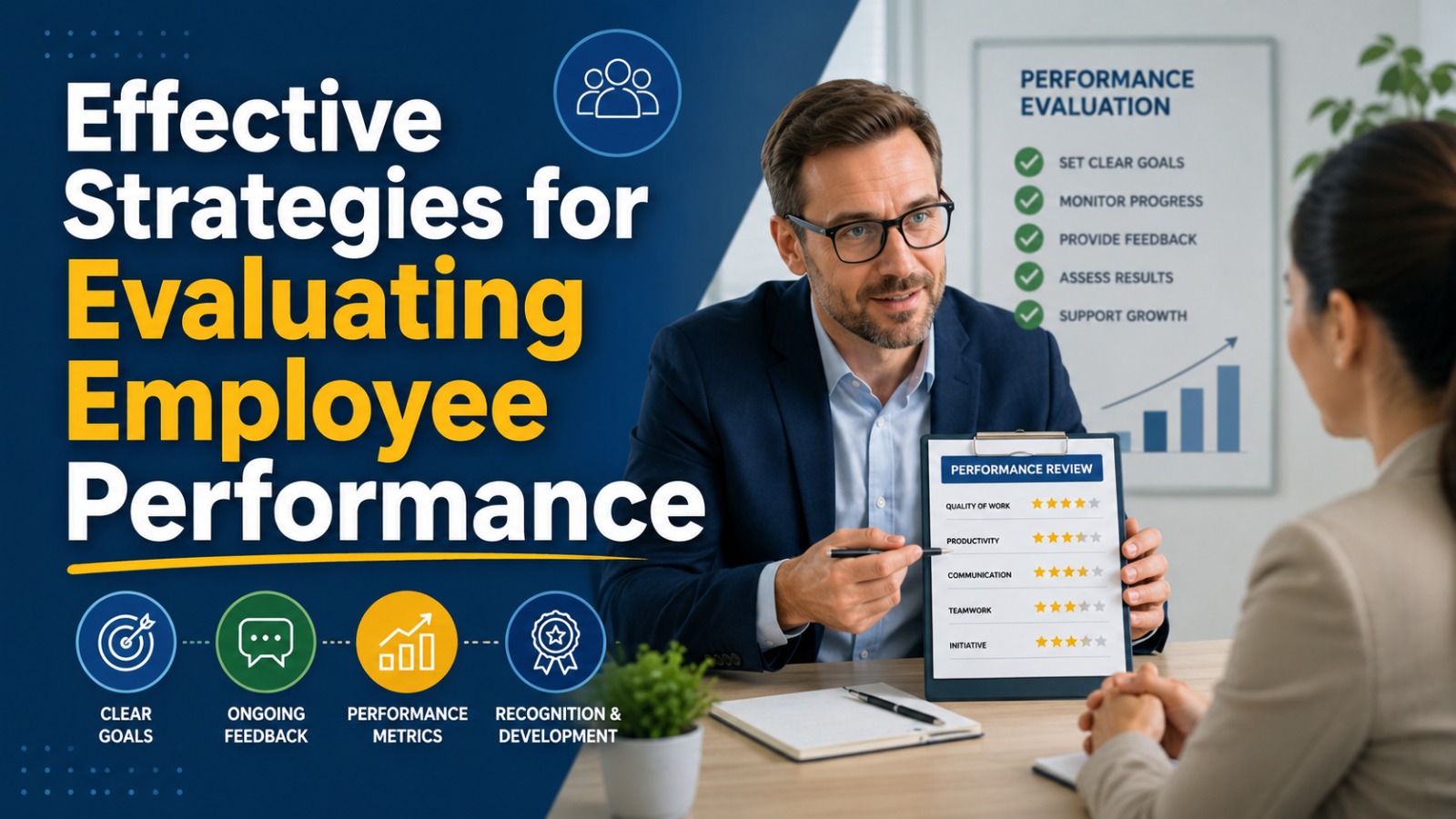
Employee performance evaluation plays a vital role in building a productive and successful organization. A well-structured evaluation process helps companies measure employee contributions, identify areas for improvement, and encourage professional growth. When done effectively, performance assessments can increase motivation, strengthen communication, and improve overall business performance.
WHY EMPLOYEE PERFORMANCE EVALUATION MATTERS
Performance evaluation is not only about measuring results. It also helps managers understand employee strengths, work habits, and potential for development. Regular assessments create transparency in the workplace and allow employees to receive constructive feedback that supports career growth.
Organizations that implement effective evaluation strategies often experience higher employee engagement, better teamwork, and improved productivity. Employees who understand their goals and expectations are more likely to stay motivated and committed to their work.
SET CLEAR PERFORMANCE GOALS
One of the most important strategies for evaluating employee performance is establishing clear and measurable goals. Employees should fully understand what is expected of them and how their performance will be measured.
SMART goals are commonly used because they are:
- Specific
- Measurable
- Achievable
- Relevant
- Time-bound
Clear objectives make it easier for managers to track progress and provide accurate feedback during evaluations.
USE REGULAR FEEDBACK INSTEAD OF ANNUAL REVIEWS
Traditional annual performance reviews are no longer considered the most effective approach. Continuous feedback allows employees to improve in real time rather than waiting months to hear about their performance.
Frequent check-ins between managers and employees help identify challenges early and create opportunities for coaching and support. This approach also strengthens communication and trust within the workplace.
APPLY MULTIPLE EVALUATION METHODS
Using different evaluation methods provides a more balanced understanding of employee performance. Relying on only one assessment technique may lead to inaccurate results.
Some effective evaluation methods include:
SELF-ASSESSMENT
Employees review their own performance, achievements, and challenges. This encourages self-awareness and accountability.
PEER REVIEW
Coworkers provide feedback about teamwork, communication, and collaboration skills.
MANAGER EVALUATION
Supervisors assess employee productivity, goal achievement, and professional behavior.
360-DEGREE FEEDBACK
This method combines feedback from managers, coworkers, clients, and employees themselves to create a comprehensive evaluation.
FOCUS ON BOTH RESULTS AND BEHAVIOR
Evaluating only numerical results may overlook important workplace qualities. Effective performance evaluations should also consider employee behavior, attitude, teamwork, communication skills, and adaptability.
For example, an employee may achieve sales targets but negatively affect team morale. On the other hand, someone with excellent collaboration skills may contribute greatly to long-term organizational success even if short-term numbers are average.
Balancing performance metrics with behavioral assessment creates a fairer evaluation system.
PROVIDE CONSTRUCTIVE AND ACTIONABLE FEEDBACK
Feedback should help employees grow rather than discourage them. Managers should focus on specific examples and practical suggestions for improvement.
Effective feedback usually includes:
- Recognition of achievements
- Identification of improvement areas
- Clear recommendations for development
- Encouragement and support
Constructive communication helps employees feel valued and motivated to improve their performance.
USE PERFORMANCE MANAGEMENT TOOLS
Modern technology can simplify the evaluation process. Many companies use performance management software to track employee goals, productivity, attendance, and feedback.
Digital tools help organizations maintain accurate records, automate reporting, and improve transparency during evaluations. They also allow managers to monitor employee progress more efficiently throughout the year.
ENCOURAGE EMPLOYEE DEVELOPMENT
Performance evaluations should not only judge employees but also support their professional growth. Managers can use evaluation results to identify training opportunities, leadership potential, and career advancement paths.
Employees who receive development opportunities are often more engaged and loyal to the company. Investing in employee growth also benefits organizations by improving workforce skills and productivity.
CREATE A FAIR AND CONSISTENT PROCESS
Fairness is essential in employee performance evaluation. Inconsistent or biased assessments can damage trust and reduce employee morale.
Companies should establish standardized evaluation criteria and ensure managers are properly trained to conduct objective assessments. Transparency in the evaluation process helps employees feel respected and treated equally.
CONCLUSION
Effective strategies for evaluating employee performance can significantly improve organizational success and employee satisfaction. By setting clear goals, providing continuous feedback, using multiple evaluation methods, and focusing on employee development, companies can create a more productive and motivated workforce.
A fair and well-planned performance evaluation system benefits both employees and organizations by encouraging growth, improving communication, and supporting long-term success.
About the Author
Gusti Ayu Tita P
Author — STEKOM University
An active author focused on academic issues, educational technology, and human resource development in the campus environment.