
Efforts To Increase Nationalism Among Students
Gusti Ayu Tita P
4 Agustus 2026
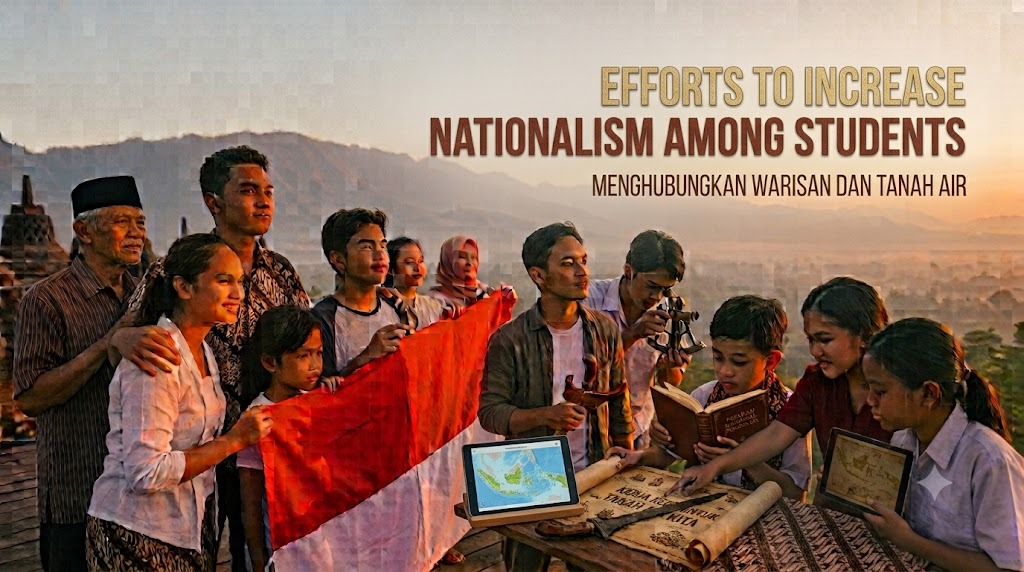
Nationalism is an important value that should be developed among students from an early age. Students are future members of society who will contribute to the development of their country. A strong sense of nationalism can encourage them to appreciate their national identity, respect diversity, and care about the well-being of others. In Indonesia, developing nationalism is especially important because the country has diverse ethnic groups, religions, languages, and cultural traditions.
The development of nationalism should not only focus on ceremonies or memorizing national symbols. Students need opportunities to practice national values through education, cultural activities, social participation, cooperation, and responsible behavior. When these values become part of everyday life, students can develop a deeper understanding of their responsibilities as citizens. Therefore, schools, families, and communities all have an important role in increasing nationalism among students.
UNDERSTANDING NATIONALISM AMONG STUDENTS
Nationalism is a sense of love, belonging, responsibility, and concern toward one's country. For students, nationalism can be shown through simple actions such as respecting teachers and classmates, following school rules, protecting the environment, and participating in community activities. It also includes appreciating Indonesian history and culture. These actions help students understand that being a good citizen begins with responsible daily behavior.
Nationalism should be taught in an inclusive and positive way. Students should understand that loving their country does not mean rejecting other cultures or countries. Healthy nationalism encourages pride in national identity while respecting differences and other nations. This understanding can help students become open-minded and responsible citizens.
STRENGTHENING NATIONALISM THROUGH EDUCATION
Education is one of the most effective ways to develop nationalism among students. Schools can include lessons about Indonesian history, Pancasila, citizenship, cultural diversity, and national identity. These subjects can help students understand how Indonesia developed as a nation. They can also learn about the values that support national unity.
Learning should not only happen through textbooks and classroom explanations. Teachers can organize discussions, group projects, cultural activities, and community programs that allow students to practice national values. Practical learning makes nationalism more relevant to students' everyday experiences. Through these activities, students can develop cooperation, discipline, responsibility, and respect.
LEARNING ABOUT INDONESIAN HISTORY
Understanding national history can strengthen students' appreciation for their country. Students can learn about the independence movement, important national events, national figures, and the development of Indonesian society. These lessons can help them understand the struggles and sacrifices of previous generations. Historical knowledge can also encourage students to value the peace and opportunities they have today.
History should not be taught only as a collection of dates and names. Students should be encouraged to understand the values behind historical events, such as courage, unity, cooperation, and perseverance. Teachers can connect historical lessons with current issues so that students understand their relevance. This approach can make history more meaningful and encourage students to contribute positively to society.
PRESERVING INDONESIAN CULTURE
Indonesia has a rich cultural heritage that includes traditional dances, music, clothing, languages, food, crafts, and local customs. Students can develop nationalism by learning about and participating in cultural activities. Appreciating cultural heritage can strengthen students' connection with their national identity. It can also help prevent local traditions from being forgotten.
Schools can organize cultural festivals, traditional art performances, exhibitions, and local heritage projects. Students can also use digital platforms to introduce Indonesian culture through videos, photographs, articles, and creative projects. Modern technology can support cultural preservation by making cultural knowledge easier for young people to access. These activities can make students proud of their cultural heritage.
DEVELOPING TOLERANCE AND RESPECT FOR DIVERSITY
Indonesia is a diverse country, so students need to understand the importance of tolerance and mutual respect. Students may have different religions, ethnic backgrounds, languages, traditions, and opinions. Schools can teach them to appreciate these differences rather than treating them as reasons for conflict. Respecting diversity is an important part of maintaining national unity.
Students can practice tolerance by listening to different opinions, avoiding discrimination, cooperating with classmates, and respecting religious and cultural practices. Teachers can create classroom environments where students feel safe expressing their views respectfully. Learning to live with differences prepares students to participate positively in a diverse society.
ENCOURAGING GOTONG ROYONG
Gotong royong, or mutual cooperation, is an important value in Indonesian society. It teaches students to work together and help one another for a shared purpose. Schools can encourage gotong royong through classroom activities, community cleanups, environmental programs, and social projects. These activities teach students that cooperation can create positive results.
Gotong royong also develops empathy and social responsibility. Students learn that their actions can affect other people and their surroundings. Small acts of cooperation can strengthen relationships and create a stronger sense of community. When students practice these values regularly, they can develop habits that support national unity.
ORGANIZING NATIONAL AND CULTURAL ACTIVITIES
Schools can organize activities that encourage students to appreciate national identity. Independence Day celebrations, flag ceremonies, cultural festivals, national history competitions, and traditional art programs can provide meaningful learning experiences. These activities can make national values more engaging and memorable. Students can also develop teamwork and leadership skills through participation.
Activities should be designed to encourage understanding rather than simply fulfilling formal requirements. Students can be involved in planning, organizing, and evaluating programs. Active participation gives students a greater sense of responsibility and ownership. This can make nationalism more personal and meaningful to them.
USING SOCIAL MEDIA POSITIVELY
Social media has a strong influence on students' attitudes and interests. Students can use digital platforms to promote Indonesian culture, local products, national achievements, historical knowledge, and positive social campaigns. Creative content can help make national values more attractive to younger audiences. Social media can therefore become a useful tool for developing modern nationalism.
However, students should also understand the risks of misinformation, hate speech, cyberbullying, and online polarization. They should develop digital literacy and critical thinking before sharing information. Checking sources and communicating respectfully can help prevent unnecessary conflicts. Responsible digital behavior is an important part of being a responsible citizen.
SUPPORTING LOCAL PRODUCTS
Supporting local products is another practical way for students to develop nationalism. Indonesian communities have many small businesses, farmers, craftsmen, and entrepreneurs who contribute to the economy. Students can support local businesses by purchasing suitable local products and recommending them to others. They can also learn about the people and communities behind these products.
Students can promote local products through school projects or social media. For example, they can create digital advertisements, product reviews, or promotional campaigns for local businesses. Supporting local products connects national pride with economic participation. These activities can also help students develop entrepreneurship and marketing skills.
DEVELOPING ENVIRONMENTAL RESPONSIBILITY
Protecting the environment is another way students can contribute to their country. A clean and healthy environment benefits communities and future generations. Students can participate in recycling programs, school cleanups, tree planting, waste reduction, and environmental campaigns. These actions demonstrate responsibility toward the country and society.
Environmental activities also teach students about cooperation and long-term responsibility. They learn that national development is not only about economic progress but also about protecting natural resources. Caring for the environment is a practical form of responsibility toward the nation's future. Such habits can become part of students' daily lives.
THE ROLE OF TEACHERS AND FAMILIES
Teachers and families have an important influence on students' attitudes toward nationalism. Teachers can demonstrate discipline, fairness, tolerance, responsibility, and respect through their daily behavior. Families can reinforce these values by encouraging children to appreciate culture, follow rules, help others, and participate in community activities. Consistent examples can make national values easier for students to understand.
Cooperation between schools and families can make nationalism education more effective. Parents and teachers can communicate about students' development and provide opportunities for positive social participation. Character development becomes stronger when students receive consistent guidance in different environments. Communities can also support these efforts through cultural and social programs.
FACING CHALLENGES IN THE MODERN ERA
Students today are exposed to many global influences through the internet, entertainment, technology, and social media. Globalization can provide useful knowledge and opportunities, but it can also influence students' attitudes toward local culture. Misinformation, excessive consumerism, cultural imitation, and online conflict can create challenges for nationalism. Students therefore need guidance to make responsible choices.
The solution is not to isolate students from global influences. Instead, they should learn how to appreciate positive international developments while maintaining their national identity. Global awareness and nationalism can develop together. Education, digital literacy, cultural awareness, and strong social values can help students face modern challenges confidently.
CONCLUSION
Increasing nationalism among students requires consistent education and practical experiences. Schools can strengthen nationalism through history education, cultural activities, tolerance, gotong royong, social participation, responsible social media use, and support for local products. Families and communities also have important roles in providing positive examples and opportunities for students to contribute.
Nationalism does not have to be expressed through large actions. Respecting others, learning about Indonesian culture, following rules, protecting the environment, helping the community, and using technology responsibly are simple but meaningful examples. When these habits are developed from an early age, students can grow into responsible citizens who care about national unity and the future of Indonesia.
About the Author
Gusti Ayu Tita P
Author — STEKOM University
An active author focused on academic issues, educational technology, and human resource development in the campus environment.















