
Electronic Stamp Duty as a Secure Solution for Digital Documents
Gusti Ayu Tita P
22 Agustus 2026
INTRODUCTION
The growth of digital business has changed how companies create, send, sign, and store documents. Contracts, agreements, and other important files can now be handled electronically without relying entirely on paper. However, digital documents may still require electronic stamp duty when they meet the applicable legal requirements. This makes electronic stamp duty an important part of modern document administration.
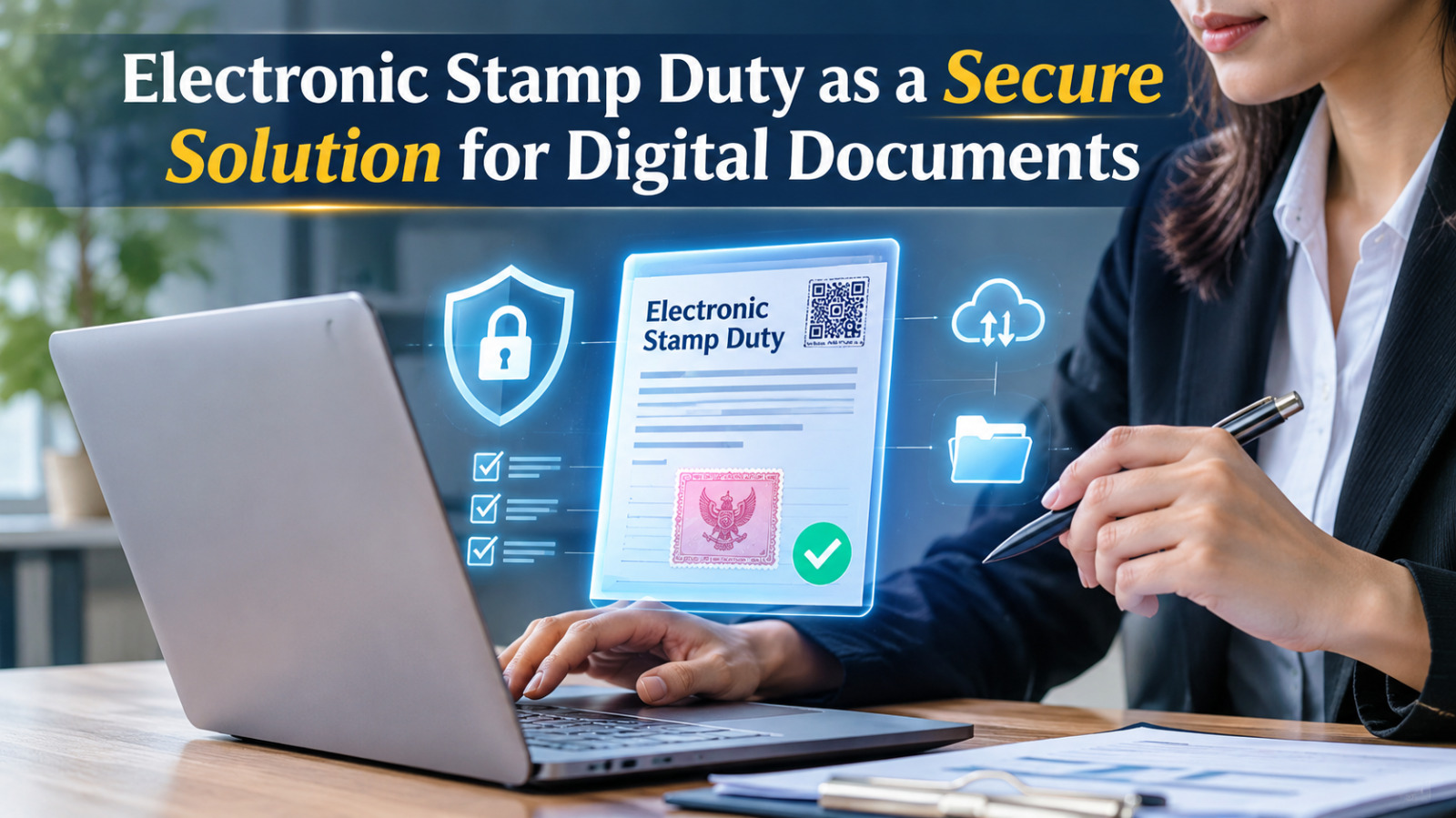
Electronic stamp duty provides a practical way to fulfill stamp duty obligations on eligible electronic documents. It can help organizations manage documents more efficiently while supporting proper administrative compliance. When applied correctly, it can also make digital document workflows more organized and easier to track. Therefore, businesses should understand how electronic stamp duty works before using it for important transactions.
WHAT IS ELECTRONIC STAMP DUTY?
Electronic stamp duty is a digital form of stamp duty used for documents that are created or processed electronically. In Indonesia, electronic stamp duty is commonly known as e-Meterai and is designed for eligible electronic documents. Its function is related to fulfilling stamp duty obligations rather than acting as a replacement for a digital signature. The presence of an electronic stamp duty does not automatically prove that all information in a document is valid or that the parties have legally agreed to its contents.
Electronic stamp duty can be relevant to documents such as agreements, contracts, and other documents that are subject to stamp duty under applicable regulations. Businesses should first determine whether a document is actually subject to stamp duty before applying it. Correct document classification is important because not every digital file automatically requires an electronic stamp. Users should also obtain electronic stamp duty through an authorized provider and follow the applicable procedures.
HOW ELECTRONIC STAMP DUTY SUPPORTS DOCUMENT SECURITY
Electronic stamp duty can contribute to a more structured digital document process by providing an identifiable electronic stamp on an eligible document. This can make it easier for organizations to distinguish documents that have fulfilled their stamp duty requirements. Depending on the official system and verification process used, electronic stamps can contain information that supports document verification. This helps reduce reliance on manually attaching physical stamps to printed documents.
However, electronic stamp duty should not be treated as the only security measure for a digital file. Businesses should still use appropriate access controls, secure storage, reliable digital signatures when required, and proper document management procedures. Document security depends on multiple layers of protection, including authentication and controlled access. Combining electronic stamp duty with these measures can create a more reliable digital administration system.
BENEFITS FOR BUSINESSES AND DIGITAL ADMINISTRATION
One of the main advantages of electronic stamp duty is that it can support paperless administration. Businesses can process eligible electronic documents without first printing them simply to attach a physical stamp. This can reduce unnecessary paper use and make document handling more practical, especially for organizations that process large numbers of agreements. Digital processing can also make it easier to organize documents within an electronic filing system.
Electronic stamp duty may also help improve administrative efficiency by reducing manual handling and supporting faster document workflows. Employees can process documents remotely when the relevant systems and procedures are available. This is particularly useful for companies that operate across different locations or frequently exchange documents electronically. Nevertheless, organizations should maintain accurate records and ensure that every application follows the applicable legal and technical requirements.
HOW TO USE ELECTRONIC STAMP DUTY CORRECTLY
Before applying electronic stamp duty, users should check whether the document falls within the category of documents subject to stamp duty. The document should also be reviewed carefully to ensure that its contents are final and accurate. Electronic stamp duty should then be obtained and applied through an official or authorized electronic stamp service according to the required procedure. Users should avoid altering the document after the electronic stamp has been properly attached unless the applicable process specifically permits it.
It is also important to keep the completed electronic document in a secure location. Organizations should maintain appropriate records so that documents can be retrieved when needed for administration, auditing, or verification. Accurate application and proper record keeping are essential for reducing administrative errors. When users understand both the legal purpose and technical process, electronic stamp duty can be incorporated more safely into everyday digital document workflows.
CONCLUSION
Electronic stamp duty offers a practical solution for eligible digital documents in an increasingly paperless business environment. It can help organizations meet applicable stamp duty obligations while supporting more efficient electronic document management. Although it can contribute to document verification and administration, it should not be considered a complete digital security system by itself. Businesses should combine it with appropriate digital signatures, access controls, secure storage, and careful document management when necessary. By using electronic stamp duty correctly through authorized channels, organizations can make digital document processing more secure, organized, and efficient.
About the Author
Gusti Ayu Tita P
Author — STEKOM University
An active author focused on academic issues, educational technology, and human resource development in the campus environment.















