
Emergency Fund vs Regular Savings Understanding the Key Differences
Gusti Ayu Tita P
6 Agustus 2026
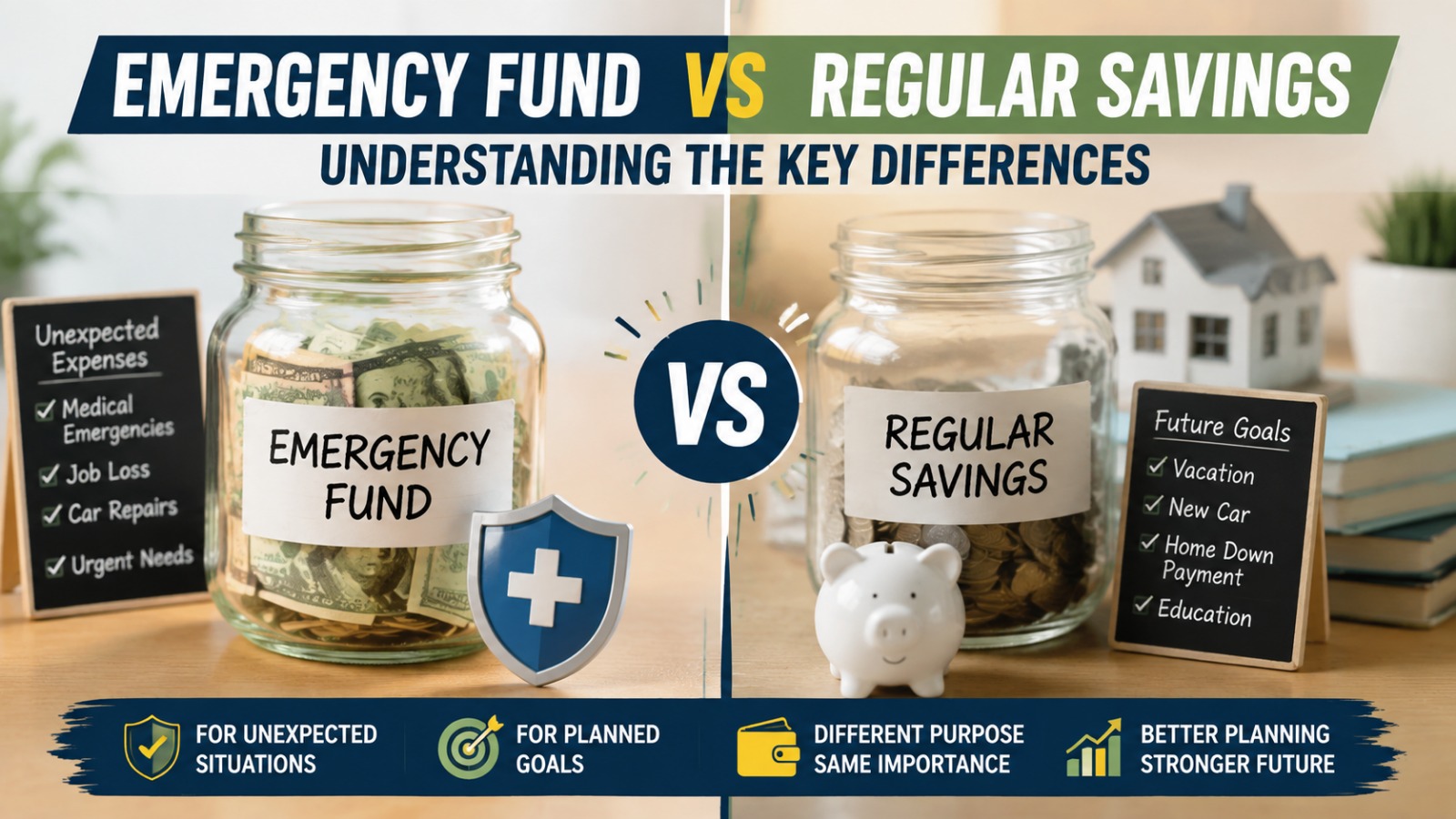
Managing personal finances requires a clear understanding of how different types of savings work. Many people save money without knowing that emergency funds and regular savings have different purposes. Although both involve setting aside money, each one plays an important role in building a stronger financial future.
An emergency fund is created to handle unexpected financial situations, while regular savings are usually used for planned goals. Understanding the difference between these two types of savings helps you make better financial decisions and avoid using money for the wrong purpose. This article will explain the key differences between emergency funds and regular savings, including their benefits and how to manage them effectively.
THE PURPOSE OF AN EMERGENCY FUND
An emergency fund is a dedicated amount of money prepared for unexpected situations that require immediate financial support. This fund can be used for events such as sudden job loss, medical costs, urgent home repairs, or essential vehicle problems. The main purpose of an emergency fund is to provide financial protection when unexpected expenses occur.
Unlike regular savings, an emergency fund should not be used for daily spending or personal desires. Using it for shopping, entertainment, or luxury purchases can reduce your financial safety when a real emergency happens. Therefore, having clear rules about when to use this fund is very important.
A properly managed emergency fund creates a sense of security because you have a backup plan during difficult situations. It can help you avoid depending on credit cards or loans when facing financial problems. Building an emergency fund is one of the most important steps toward achieving financial stability.
THE PURPOSE OF REGULAR SAVINGS
Regular savings are money reserves created for planned expenses and future financial goals. People usually use regular savings for purposes such as education, vacations, buying personal items, home projects, or investment preparation. This type of saving helps individuals achieve their goals through consistent financial planning.
Unlike an emergency fund, regular savings are not intended for unexpected problems. The money is usually collected gradually based on specific targets and timelines. Having regular savings allows you to prepare for important plans without disturbing your daily financial needs.
Regular savings also encourage better money management because they teach the habit of setting aside money regularly. This approach helps you control spending and create a more organized financial routine. However, regular savings should remain separate from emergency funds to maintain clear financial priorities.
KEY DIFFERENCES BETWEEN EMERGENCY FUND AND REGULAR SAVINGS
The biggest difference between an emergency fund and regular savings is their purpose. An emergency fund focuses on handling unexpected financial situations, while regular savings focus on achieving planned goals. Understanding this difference prevents you from using the wrong type of savings at the wrong time.
Another important difference is the level of urgency. Emergency funds must be easily accessible because they are needed during unexpected events. Meanwhile, regular savings can follow a longer timeline because they are usually connected to future plans and personal goals.
The amount of money required for each savings type is also different. Emergency funds are generally calculated based on essential monthly expenses, while regular savings depend on the cost of specific goals. Both require commitment, but they support different aspects of financial planning.
HOW TO MANAGE EMERGENCY FUND AND REGULAR SAVINGS?
Managing both types of savings requires a clear and organized financial strategy. The first step is to separate your emergency fund from your regular savings account. This separation helps you track your progress and reduces the temptation to spend emergency money unnecessarily.
You should prioritize building an emergency fund before focusing on larger financial goals. Having financial protection first allows you to continue pursuing your plans without major disruption. Once your emergency fund reaches a suitable amount, you can increase your contributions toward regular savings.
Creating a monthly budget is also an effective way to manage both savings categories. Allocate a specific portion of your income for emergency savings and personal goals. This habit develops saving discipline and helps you maintain consistent progress over time.
BENEFITS OF HAVING BOTH TYPES OF SAVINGS
Having both an emergency fund and regular savings provides better control over your financial situation. An emergency fund protects you from unexpected challenges, while regular savings help you achieve important future goals. Together, they create a balanced approach to managing your money.
These two savings methods also reduce financial stress because you are prepared for different situations. You do not need to sacrifice your future plans when emergencies happen because you already have a specific financial backup. This system supports healthier spending decisions and improves confidence.
Building both savings types requires patience and consistency. Even small contributions can grow into meaningful financial support when done regularly. With proper planning, you can create a stronger financial strategy and improve your long-term financial security.
CONCLUSION
Understanding the difference between an emergency fund and regular savings is essential for effective money management. An emergency fund protects you from unexpected expenses, while regular savings help you achieve planned financial goals. Both are valuable tools, but they must be managed according to their specific purposes.
By separating these savings, creating clear financial goals, and maintaining consistent habits, you can build stronger financial security. A combination of emergency funds and regular savings allows you to handle unexpected situations while continuing to prepare for the future.
About the Author
Gusti Ayu Tita P
Author — STEKOM University
An active author focused on academic issues, educational technology, and human resource development in the campus environment.















