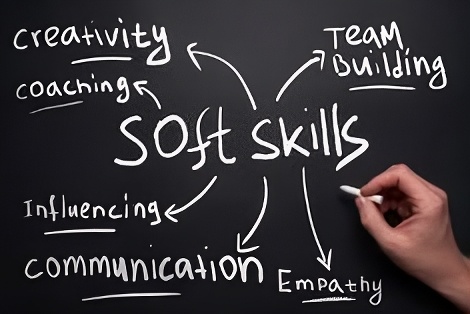
Essential Skills You Will Gain from a Visual Communication Design Program
Gusti Ayu Tita P
1 Oktober 2026
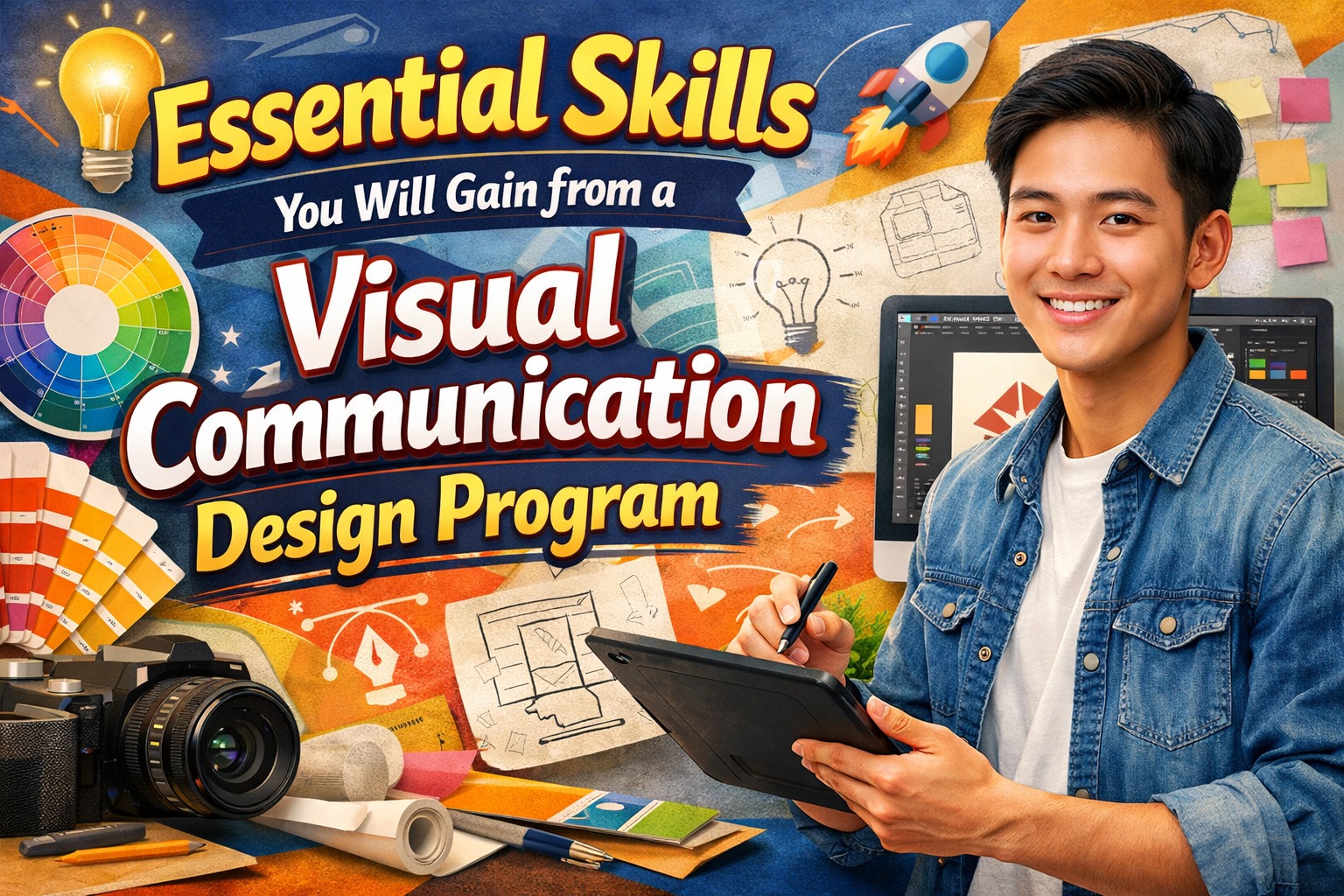
Visual Communication Design, often known as DKV, is one of the most popular study programs for students who are passionate about creativity, technology, and communication. This field focuses on creating visual solutions that effectively convey messages to audiences through various media. As industries increasingly rely on digital content and branding, the demand for skilled visual communication designers continues to grow.
A Visual Communication Design program does not only teach students how to create attractive visuals. It also helps them develop a wide range of professional skills that are highly valuable in the creative industry and beyond. Understanding these skills can help prospective students determine whether this major aligns with their career goals and interests.
CREATIVE THINKING AND PROBLEM SOLVING
One of the most important skills developed in a Visual Communication Design program is creative thinking. Students learn how to transform ideas into visual concepts that communicate messages clearly and effectively. Through various projects, they are encouraged to explore different perspectives and generate innovative solutions for communication challenges.
In addition to creativity, students strengthen their problem-solving abilities. Every design project involves identifying a problem, understanding the target audience, and creating a visual solution that meets specific objectives. This process trains students to think critically and make informed design decisions that deliver meaningful results.
VISUAL COMMUNICATION AND STORYTELLING SKILLS
A Visual Communication Design program helps students master the art of visual communication. They learn how colors, typography, layouts, and imagery work together to convey information and emotions. This knowledge enables them to create designs that are both visually appealing and easy to understand.
Students also develop strong storytelling skills. Whether designing advertisements, social media content, branding materials, or digital campaigns, they learn how to tell compelling stories through visuals. Effective storytelling helps businesses and organizations connect more deeply with their audiences.
DIGITAL DESIGN AND TECHNICAL EXPERTISE
Technology plays a major role in modern design, making technical proficiency an essential skill for DKV students. Throughout their studies, they gain hands-on experience using industry-standard design software and digital tools. These tools are widely used in graphic design, illustration, animation, and multimedia production.
Students also learn important principles of digital design, including user experience, interface design, and content creation. These technical skills prepare graduates to work efficiently in various creative fields while adapting to rapidly evolving technological trends.
TEAMWORK AND PROFESSIONAL COLLABORATION
Visual communication projects often involve multiple stakeholders, including clients, marketers, developers, and content creators. As a result, students learn the importance of teamwork and effective collaboration. Group assignments and project-based learning help them develop communication skills that are essential in professional environments.
They also gain experience in presenting ideas and receiving constructive feedback. Learning how to communicate design concepts clearly and professionally allows students to work successfully with diverse teams and meet project expectations more effectively.
BRANDING AND MARKETING UNDERSTANDING
Another valuable skill acquired through a Visual Communication Design program is an understanding of branding and marketing. Students learn how visual elements contribute to brand identity and influence consumer perceptions. This knowledge helps them create designs that support business goals and strengthen brand recognition.
Understanding marketing principles also enables designers to produce content that resonates with target audiences. By combining creativity with strategic thinking, graduates can create impactful visual campaigns that deliver measurable results.
ADAPTABILITY AND CAREER READINESS
The creative industry is constantly evolving, requiring professionals to remain flexible and open to change. A Visual Communication Design program helps students develop adaptability, allowing them to keep up with new technologies, design trends, and industry demands. This mindset is essential for long-term career success.
Furthermore, students build portfolios that showcase their skills and achievements. A strong portfolio demonstrates their capabilities to potential employers and clients, increasing their opportunities in various creative professions. These experiences make graduates more prepared to enter competitive job markets with confidence.
CONCLUSION
A Visual Communication Design program offers much more than artistic training. It equips students with creative thinking, problem-solving, visual communication, technical expertise, collaboration skills, and marketing knowledge that are highly valued across industries. These competencies help graduates adapt to changing workplace demands while creating meaningful visual experiences.
For individuals who enjoy creativity, innovation, and communication, Visual Communication Design can be an excellent educational pathway. The diverse skills gained through this program provide strong foundations for successful careers in design, branding, advertising, digital media, and many other creative sectors.
About the Author
Gusti Ayu Tita P
Author — STEKOM University
An active author focused on academic issues, educational technology, and human resource development in the campus environment.