Exploring the Origins of Black Magic in Human History
Gusti Ayu Tita P
10 September 2026
Throughout human history, people have created stories and beliefs about magic, supernatural forces, and mysterious powers. One of the most familiar terms associated with these beliefs is black magic, which is often described as the use of supernatural power for harmful, selfish, or forbidden purposes. However, the meaning of black magic has changed across different societies and periods. In many cultures, practices considered magical were connected to religion, healing, protection, or attempts to understand unexplained events. Exploring the origins of black magic therefore requires looking at history, folklore, religion, and cultural beliefs rather than treating it as a single universal tradition.
EARLY BELIEFS ABOUT SUPERNATURAL POWER
The origins of beliefs that are now associated with black magic can be traced to ancient human societies. Before modern science developed, people often used supernatural explanations for events such as illness, natural disasters, unsuccessful harvests, or sudden death. Archaeological evidence from ancient societies shows that humans used rituals, symbols, objects, and spoken formulas as part of their attempts to influence their surroundings. These activities were not necessarily considered evil by the people who practiced them. In many cases, they were connected to protection, healing, fertility, or communication with spiritual forces.
Ancient civilizations such as Mesopotamia and Egypt had complex traditions involving supernatural practices. Some rituals were intended to protect individuals from perceived threats, while others were associated with healing or religious ceremonies. At the same time, societies could distinguish between acceptable religious practices and activities believed to threaten the community. This distinction helped create ideas about forbidden magic that later became associated with darker forms of magic. Over time, these different traditions contributed to the broader historical image of what people now call black magic.
MAGIC IN ANCIENT CIVILIZATIONS
In ancient Mesopotamia, supernatural beliefs were closely connected to everyday life and religious traditions. People used various rituals to respond to illness, bad dreams, misfortune, and perceived supernatural dangers. Some texts describe protective rituals, while others discuss practices intended to counter harmful forces. Ancient Egypt also developed sophisticated magical traditions, with spells and protective objects appearing in religious and funerary contexts. These examples demonstrate that ancient magic was often more complicated than the modern idea of black magic.
The ancient Mediterranean world also had diverse attitudes toward magic. Greek and Roman societies included religious rituals, divination, protective charms, and practices that authorities sometimes considered dangerous or unacceptable. Certain magical activities became associated with secrecy and harmful intentions, especially when they were believed to target another person. This created an important cultural distinction between accepted religious practice and condemned magic. Such distinctions later influenced European ideas about sorcery and black magic.
THE RISE OF THE IDEA OF FORBIDDEN MAGIC
The concept of black magic became more recognizable as societies developed stronger distinctions between legitimate religious practices and prohibited supernatural activities. In medieval Europe, beliefs about witchcraft, sorcery, and demonic forces became particularly influential. Religious institutions and political authorities sometimes treated certain magical practices as threats to social and religious order. Accusations of witchcraft could have serious consequences, although the people accused were not necessarily practicing magic. Fear, social conflict, religious tension, and misunderstandings could all contribute to accusations.
The term black magic is therefore not simply the name of one ancient practice. It developed through changing cultural interpretations of magic and ideas about what was considered acceptable or dangerous. Similar distinctions appeared in different parts of the world, although they did not always use the same terminology or have the same meaning. Some traditions classified magical activities according to their purpose, while others focused on the relationship between magic, religion, and morality. This historical development explains why the meaning of black magic can differ significantly between cultures.
BLACK MAGIC IN FOLKLORE AND CULTURAL TRADITIONS
Folklore played an important role in preserving stories about supernatural powers across generations. Communities created legends about witches, curses, mysterious healers, spirits, and magical objects to explain unusual experiences or communicate cultural values. These stories were often passed down orally before being recorded in books or other forms of literature. As they traveled from one generation to another, details could change according to local beliefs and social conditions. As a result, stories about dark magic became part of the cultural identity of many communities.
Different regions developed their own supernatural traditions rather than sharing one identical concept of black magic. European folklore contains stories about witches and curses, while other regions have their own traditions involving spiritual practitioners, protective rituals, and supernatural beings. It is important not to label every traditional spiritual practice as black magic because many practices have religious, cultural, or healing meanings within their original communities. Modern popular culture sometimes combines completely different traditions into one fictional idea of magic. This can make the historical reality of these beliefs more difficult to understand.
BLACK MAGIC IN MODERN CULTURE
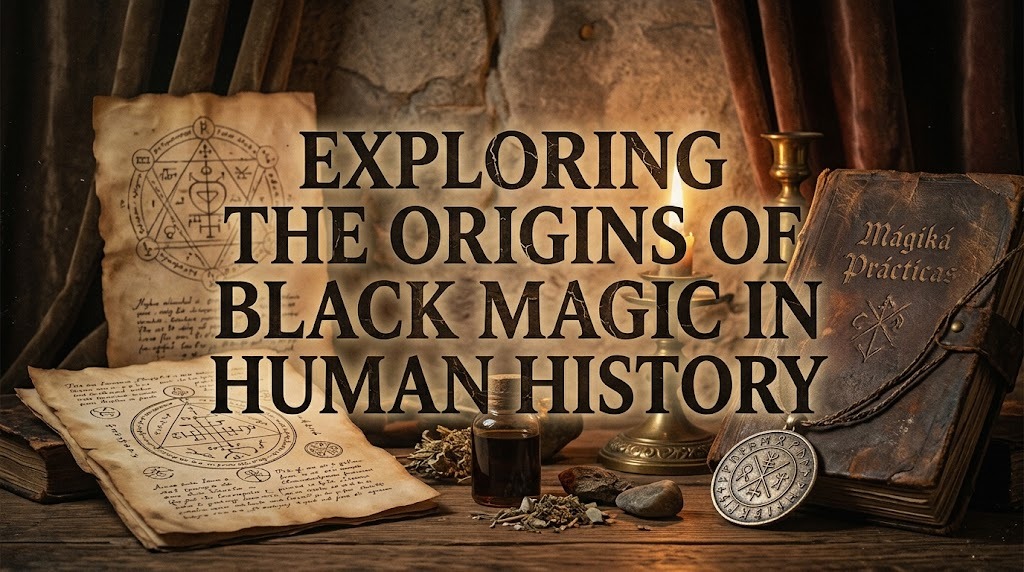
The idea of black magic continued to evolve through literature, theater, films, television, and video games. Modern entertainment often presents black magic through images of mysterious books, spells, curses, witches, and supernatural powers. These portrayals are usually designed for fiction and entertainment, so they may combine elements from several historical traditions. Famous stories have helped make the concept recognizable to audiences around the world. At the same time, fictional representations do not necessarily reflect how historical communities understood magic.
Today, black magic remains a popular subject because it connects with long-standing human interest in mystery, fear, and the unknown. Online discussions and social media have also allowed legends and supernatural stories to spread quickly across countries and cultures. Some people approach these subjects as cultural traditions, while others view them as religious or personal beliefs. From an academic perspective, these beliefs can be studied through history, anthropology, folklore, and sociology without assuming that supernatural claims are scientifically proven. Understanding this distinction helps readers explore the subject while respecting the cultural context behind different traditions.
CONCLUSION
The origins of black magic cannot be linked to a single civilization, person, or historical event. Instead, the modern concept developed from many different beliefs about magic, supernatural power, religion, morality, and forbidden practices. Ancient civilizations created rituals and magical traditions for purposes ranging from protection to healing, while later societies increasingly distinguished between acceptable and prohibited forms of magic. Folklore then preserved and transformed these ideas through stories about witches, curses, spirits, and mysterious powers. Today, black magic continues to appear in popular culture, where historical beliefs are often combined with fictional storytelling. Studying its origins provides a useful way to understand how humans have interpreted the unknown and how cultural beliefs have changed throughout history.
About the Author
Gusti Ayu Tita P
Author — STEKOM University
An active author focused on academic issues, educational technology, and human resource development in the campus environment.